


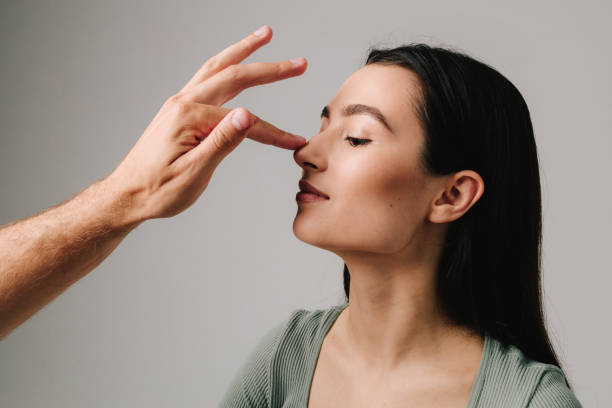
Every surgical procedure carries some degree of risk, and rhinoplasty is no exception. Rhinoplasty in Riyadh(عملية تجميل الأنف في الرياض) While the overwhelming majority of patients enjoy smooth procedures and satisfying results, informed consent means understanding what could go wrong—not to frighten you, but to prepare you. For anyone considering Rhinoplasty in Riyadh, knowing the potential risks and complications is a mark of wisdom, not fear. This guide walks you through the realistic risks, how often they occur, and the steps that dramatically reduce your chances of experiencing them.
Why Knowing the Risks Matters
Informed Consent Is Empowering
Understanding potential complications helps you ask better questions, choose a qualified surgeon, and recognize warning signs early. Knowledge transforms you from a passive patient into an active partner in your care.
Risk Versus Reward
Rhinoplasty offers significant benefits—improved appearance, better breathing, enhanced confidence—but only when the benefits are weighed honestly against the risks. A transparent consultation should address both sides openly.
General Surgical Risks
Infection
Infection at the surgical site is rare but possible. Symptoms include increased pain, redness, swelling, and fever. Most infections respond well to antibiotics when detected early, making prompt reporting essential.
Bleeding and Hematoma
Some bleeding is normal after surgery, but excessive bleeding or a hematoma—a collection of blood beneath the skin—may require drainage. Avoiding blood thinners and following medication instructions reduces this risk considerably.
Anesthesia Reactions
Modern anesthesia is extremely safe, but rare reactions can occur. A thorough preoperative evaluation and honest disclosure of your medical history and medications minimize these risks.
Poor Wound Healing
Healing varies by individual. Smoking, poor nutrition, and certain medical conditions impair recovery. Following your surgeon's pre- and postoperative guidance optimizes the healing process.
Rhinoplasty-Specific Risks
Unsatisfactory Aesthetic Result
The most common reason for revision surgery is unmet expectations rather than true complications. Asymmetry, residual hump, or tip irregularities can occur, particularly in complex cases. Clear communication before surgery prevents most disappointment.
Breathing Difficulties
Internal nasal swelling or structural changes can temporarily affect airflow. In rare cases, persistent obstruction requires correction. Skilled surgeons carefully manage the nasal valves and septum to preserve function.
Skin and Soft Tissue Issues
Thin skin may reveal irregularities, while thick skin may limit definition. Rarely, skin necrosis can occur if blood supply is compromised. Surgeons experienced with Rhinoplasty Procedures in Riyadh take precautions to protect delicate nasal tissues.
Graft-Related Complications
Cartilage grafts, common in augmentation and revision cases, can shift, warp, or become visible over time. Proper fixation and careful graft selection reduce these outcomes significantly.
Septal Perforation
A hole in the septum is a rare complication that can cause crusting, whistling sounds, or breathing issues. It typically results from trauma during surgery or impaired healing and may require repair.
Risk Factors That Increase Complications
Smoking and Nicotine Use
Smoking constricts blood vessels, severely impairing healing and increasing infection and necrosis risks. Surgeons typically require patients to quit weeks before and after surgery.
Uncontrolled Medical Conditions
Diabetes, hypertension, and autoimmune disorders can complicate surgery if poorly managed. Optimizing your health before the procedure is essential.
Previous Rhinoplasty
Revision cases carry higher risks due to scar tissue, weakened structures, and reduced cartilage availability. Experience with revision surgery is critical.
Unrealistic Expectations
Patients seeking perfect symmetry or celebrity noses are more likely to feel dissatisfied, even when results are technically excellent. Honest expectation-setting protects emotional outcomes.
How to Minimize Your Risks
Choose a Qualified Surgeon
Board certification, specialized training, and a strong portfolio of results—especially for noses similar to yours—are non-negotiable. For those pursuing Rhinoplasty in Riyadh, surgeon selection is the single greatest safety factor.
Select an Accredited Facility
Surgery should take place in an accredited hospital or licensed surgical center with qualified anesthesia providers and emergency equipment.
Disclose Everything
Share your complete medical history, all medications, supplements, and prior surgeries. Withholding information endangers your safety.
Follow Aftercare Instructions Precisely
Medication schedules, activity restrictions, and follow-up appointments exist for your protection. Compliance prevents most recovery complications.
Attend All Follow-Ups
Regular visits allow your surgeon to monitor healing, catch problems early, and refine results if needed.
When to Contact Your Surgeon
Warning Signs
Seek immediate attention for severe or worsening pain, high fever, heavy bleeding, unusual discharge, breathing difficulty, or skin discoloration. Early intervention resolves most complications successfully.
Routine Concerns Are Valid
Never hesitate to raise concerns, no matter how minor they seem. Your surgeon would rather answer a small question than treat a larger problem later.
Conclusion
Rhinoplasty risks are real but rare, particularly when surgery is performed by skilled hands in accredited facilities with careful patient selection. Understanding complications—and the factors that prevent them—empowers you to make informed decisions and protect your outcome. For those considering Rhinoplasty Procedures in Riyadh, safety begins with honesty, preparation, and choosing a surgeon who prioritizes transparency over promises. With the right approach, the rewards of rhinoplasty far outweigh its risks.
Book Your Consultation Today
For those seeking expert guidance and customized aesthetic care, you can book an appointment consultation at the 'Enfield Royal Riyadh(إنفيلد رويال الرياض).
FAQs
What is the most common rhinoplasty complication?
Unsatisfactory aesthetic results and temporary breathing issues are most common, often correctable.
How can I reduce my risk of rhinoplasty complications?
Choose a qualified surgeon, disclose your medical history, quit smoking, and follow all aftercare instructions.
Can rhinoplasty cause permanent breathing problems?
Rarely; skilled surgeons preserve nasal function, and persistent obstruction can usually be corrected.
What are signs of infection after rhinoplasty?
Watch for increasing pain, redness, swelling, fever, or unusual discharge, and contact your surgeon promptly.
Is revision rhinoplasty riskier than primary surgery?
Yes, revision carries higher risks due to scar tissue and reduced cartilage, requiring an experienced specialist.



