


Commercial Fishing Market Explores New Opportunities in Seafood Processing
Commercial fishing and seafood processing are closely connected parts of the wider seafood industry. Fishing vessels supply raw materials that may be sold fresh, frozen, canned, smoked, dried, or incorporated into prepared foods. The effectiveness of this relationship depends on reliable harvesting, appropriate handling, processing capacity, and efficient distribution. As seafood buyers seek dependable supplies and consistent product quality, businesses are examining how improvements across the value chain can create new opportunities.
The growing role of commercial seafood processing and preservation demonstrates how harvesting businesses can work with processors to maintain product quality and serve different customer segments. Appropriate chilling, freezing, packaging, and storage practices help preserve seafood during transportation and extend the range of products available to buyers. Close coordination between fishing operators and processing facilities can also help reduce delays and manage incoming catches more effectively.
Processing Adds Value to Seafood Products
Seafood processing transforms harvested fish into products suited to different uses and distribution channels. Depending on the species and customer requirements, processing may involve cleaning, trimming, filleting, portioning, freezing, smoking, drying, or canning. These activities help businesses supply products that are easier to store, transport, prepare, and sell.
Processed seafood can serve restaurants, retailers, institutional kitchens, food manufacturers, and households. Frozen portions may be convenient for foodservice operations, while canned products can offer extended storage life when manufactured and packaged correctly. The appropriate processing method depends on the characteristics of the raw material, intended product, food safety requirements, and consumer expectations.
Fishing companies that understand processor requirements can plan harvesting and delivery arrangements more effectively. Clear specifications for fish size, handling, freshness, and delivery timing help minimize disagreements and improve coordination.
Preservation and Packaging Technologies
Preservation is essential because seafood can deteriorate rapidly when it is not handled correctly. Refrigeration and freezing are widely used to maintain product condition, while suitable packaging helps protect seafood during storage and transportation. Processing facilities must select methods that match the product type and the conditions under which it will be distributed.
Improved temperature monitoring can help businesses identify interruptions in the cold chain. Regular equipment inspections and documented sanitation procedures are also important for maintaining product safety and quality.
Packaging decisions involve several considerations, including durability, moisture control, product protection, storage requirements, and applicable labeling rules. Businesses are also examining packaging materials and waste-reduction strategies that may support environmental objectives without compromising food safety.
Building Stronger Relationships Between Fishers and Processors
Reliable communication between fishing vessels and processing facilities can improve the management of incoming catches. Advance information about expected arrivals, species, quantities, and product condition helps processors organize staffing, storage, and equipment availability.
Long-term supplier relationships may also support clearer quality standards and more predictable purchasing arrangements. For smaller fishing businesses, working with established processors or cooperative facilities can provide access to services that would be difficult to maintain independently.
However, effective partnerships require realistic scheduling and transparent communication. Weather disruptions, changing fishing conditions, equipment problems, and seasonal availability can affect delivery plans. Flexible arrangements help both parties respond to these challenges.
Future Opportunities in Commercial Fishing
Commercial fishing companies can explore value-added seafood products, improved preservation methods, traceability systems, and stronger distribution networks. Processors may benefit from better coordination with suppliers and investment in equipment that improves consistency and reduces avoidable waste.
Responsible sourcing remains important throughout these activities. Businesses need to comply with applicable fishing rules, food safety requirements, and product documentation standards. They should also consider the environmental effects of harvesting, processing, packaging, and transportation.
By connecting responsible harvesting with effective processing and dependable distribution, industry participants can improve the usefulness of seafood resources and serve a wider range of customers. Long-term success will depend on maintaining quality, adapting to buyer requirements, and supporting resilient seafood supply chains.
FAQs
Q1. What is the role of seafood processing in commercial fishing?
Seafood processing converts harvested fish into products such as fillets, frozen portions, canned seafood, and other items suited to different customers and distribution channels.
Q2. How does seafood preservation help fishing businesses?
Proper refrigeration, freezing, packaging, and storage help maintain product quality, reduce spoilage risks, and support transportation to distant customers.
Q3. How can fishers and processors work together more effectively?
They can share accurate delivery information, agree on quality specifications, coordinate schedules, and maintain clear communication about handling and storage requirements.
Categories
- Artificial Intelligence (AI)
- Technology
- Business
- Education
- Science
- Lifestyle
- Healthcare
- Entertainment
- Politics
- Environment
- Travel
- Finance
- Automobile
- News
- Art
- Causes
- Crafts
- career
- Dance
- Drinks
- Film
- Fitness
- Food
- Games
- Gardening
- Health
- Home
- Literature
- Music
- Networking
- Other
- Party
- Religion
- Shopping
- Sports
- Theater
- Wellness
Read More
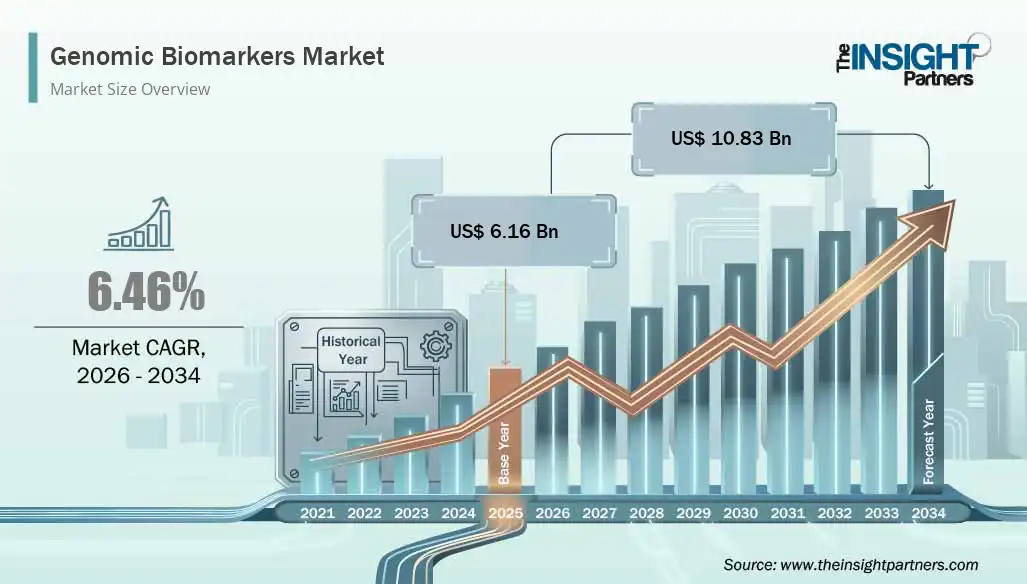
The North America Genomic Biomarkers Market is gaining attention as the region strengthens its focus on personalized medicine and advanced molecular diagnostics. Genomic biomarkers provide insights into genetic variations and disease-related molecular characteristics, helping researchers develop targeted diagnostic and therapeutic approaches. Their applications include oncology,...
Ball Propellant Market Overview The Ball Propellant Market Report is a comprehensive and meticulously developed research study designed to provide in-depth insights into the evolving dynamics of the Ball Propellant market. Prepared through extensive primary interviews, secondary research, and detailed data analysis, this report evaluates critical factors influencing market...

Guest posting is an effective way to share industry knowledge, connect with new audiences, and strengthen your online presence. It allows businesses, bloggers, and marketing professionals to publish informative articles on external websites that serve a relevant audience. When approached strategically, guest posting can support brand recognition, referral traffic, and broader content marketing...

According to WiseGuy Reports, the 4,4-Diaminostilbene-2,2-Disulfonic Acid DSD Acid Market was valued at USD 200 million in 2024 and remained at USD 200 million in 2025. The market is projected to reach USD 300 million by 2035, advancing at a CAGR of 2.6% during the forecast period. Growing demand from the textile industry, increasing environmental regulations, improvements in chemical...

The IgY Polyclonal Antibodies Market was valued at approximately USD 2.5 billion in 2025 and is projected to reach around USD 4.5 billion by 2035, expanding at a CAGR of approximately 5.9% from 2026 to 2035. Increasing demand for antibody-based diagnostics, immunoassays, therapeutic research, and advances in antibody production technologies are supporting market development. Diagnostics...
