

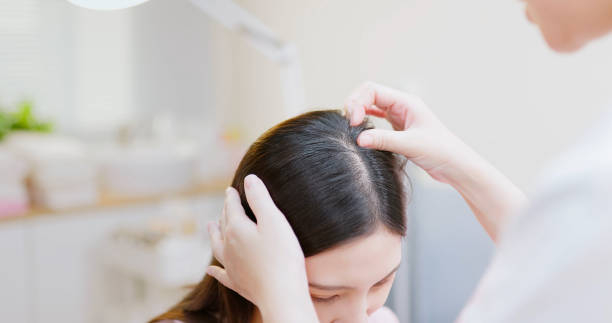

The possibility of a hair transplant can become more complicated when the hair at the back or sides of the scalp is naturally fine or appears less dense than expected. Women researching Female Hair Transplant in Dubai with limited donor hair should understand that successful planning depends on the quality and availability of suitable follicles, not simply on the size of the area they want to cover.
Donor hair is a finite resource. If the supply is limited, attempting to cover a large recipient area may produce less improvement than expected or create visible thinning where follicles are removed. A careful assessment helps determine whether surgery is appropriate and what alternatives may be worth considering.
Tajmeels Clinic can discuss the factors involved in donor evaluation and the importance of setting realistic goals before committing to a procedure.
What Is the Donor Area in Female Hair Transplantation?
The donor area is the region from which follicles are collected for transplantation. It is commonly located at the back and sides of the scalp, although suitability depends on the individual's hair characteristics and pattern of loss.
The clinician assesses more than the apparent number of hairs. Important considerations include follicular density, the number of hairs within each follicular unit, hair-shaft characteristics, scalp condition, and whether the donor region is likely to remain stable.
Fine hair does not automatically mean that a woman has an inadequate donor supply. Likewise, thick-looking hair does not guarantee that enough suitable follicles are available. The underlying characteristics must be examined.
Female Hair Transplant in Dubai When Donor Supply Is Limited
When donor availability is restricted, the restoration plan must balance the desired coverage against the amount of hair that can reasonably be harvested.
A consultation should clarify whether the donor area is suitable, how much harvesting may be possible, and what visible changes could occur in the donor region afterward.
Assessing density and follicular characteristics
The clinician may examine the scalp closely and assess the density and distribution of follicles. If thinning is diffuse, the donor area may also be affected, which can limit the suitability of transplantation.
The assessment should distinguish between naturally low density and a condition that is causing progressive loss. Further evaluation may be needed if the pattern is unclear.
Understanding the limits of coverage
A limited donor supply may mean prioritising a smaller area rather than distributing grafts too widely. The intended result should be discussed in terms of realistic coverage and visual improvement, not an assumed graft count.
A larger recipient area does not create a larger donor supply. The treatment plan should explain how the available follicles would be allocated and why certain areas may receive priority.
Protecting the donor area
Excessive harvesting can leave the donor region looking sparse or uneven. The approach should account for the patient's existing density, hair length, styling preferences, and potential future needs.
Ask how the clinician intends to reduce the risk of visible donor thinning and what limitations may apply if additional treatment is considered later.
Why the Cause of Hair Loss Still Matters
Donor assessment is only one part of the decision. The reason for thinning must also be understood because some conditions affect both the recipient and donor regions.
Women with active shedding, diffuse thinning, or an unexplained pattern may need additional medical assessment before surgery. Transplantation does not treat every cause of hair loss, and the underlying condition may continue to affect natural hair.
A clinical review may include medical history, scalp examination, and further investigations when indicated. The goal is to establish whether surgery is likely to offer a reasonable benefit under the individual's circumstances.
Options When There Is Not Enough Donor Hair
If donor supply is limited, transplantation may not be the best first choice. The appropriate alternative depends on the diagnosis, the area affected, and the patient's goals.
Options to discuss with a qualified clinician may include:
-
Medical management: Appropriate treatment for the underlying hair-loss condition, where indicated.
-
Cosmetic camouflage: Hair fibres or concealers may reduce the contrast between hair and scalp.
-
Hair toppers or hairpieces: These can add visible coverage without using donor follicles.
-
Scalp micropigmentation: Pigment can reduce scalp-to-hair contrast, but it does not create real hair.
-
A more conservative surgical plan: In selected cases, the clinician may discuss prioritising a smaller area rather than attempting broad coverage.
These options are not interchangeable, and some may be more suitable than others depending on scalp health and the cause of thinning. A recommendation should explain the benefits, limitations, maintenance, and potential risks of each approach.
Planning Around Your Natural Hair and Styling Preferences
The cosmetic impact of thinning depends on the location of the affected area, the length and texture of the hair, and how the patient usually styles it. A plan that looks reasonable on paper may not fit the way a person parts or wears their hair.
During consultation, discuss which areas are most noticeable to you and whether you regularly wear your hair up, down, or in a particular style. This information can help guide the conversation about priorities, while the available donor supply determines what is medically and technically realistic.
The objective should be a balanced plan that considers both the recipient area and the donor region rather than focusing on coverage alone.
Questions to Ask Before Deciding on Surgery
If your donor hair appears limited, ask the clinician to explain the assessment and its implications.
-
Is my donor density sufficient for the area I want to treat?
-
Is the donor region affected by the same hair-loss condition?
-
How much coverage may be realistic with the available follicles?
-
What changes might be visible in the donor area after harvesting?
-
Would treating a smaller area be more appropriate?
-
What non-surgical alternatives could meet my goals?
-
How might future hair loss affect the long-term appearance?
Clear answers can help you compare the potential benefit of surgery with its limitations and alternatives.
Risks, Recovery, and Long-Term Planning
Hair transplantation involves surgical risks, including swelling, discomfort, infection, scarring, altered sensation, temporary shedding, poor growth, and cosmetic results that do not meet expectations. Limited donor supply makes careful planning particularly important because harvested follicles cannot simply be replaced.
After surgery, transplanted hair may shed before new growth develops over the following months. The treating clinician should explain aftercare, follow-up, and when results can reasonably be evaluated.
A long-term plan should also consider whether non-transplanted hair may continue to thin and whether additional medical management is appropriate.
Clinic note: Limited donor hair does not automatically rule out transplantation, but it can restrict the achievable coverage. Suitability should be based on a detailed donor assessment, the cause of hair loss, and realistic treatment goals.
Frequently Asked Questions
Can I have a hair transplant if my donor hair is naturally thin?
Possibly, but the decision depends on follicular density, scalp health, the pattern of hair loss, and the area requiring coverage. An assessment is needed to determine whether enough suitable follicles are available.
Can a transplant create dense coverage with a small donor supply?
There is no guarantee of dense coverage. A limited supply may require a more conservative plan or consideration of non-surgical alternatives.
Will harvesting make the back of my scalp look thinner?
Harvesting can affect the appearance of the donor area. The clinician should explain the proposed approach and how the plan accounts for existing density and visible thinning risk.
What if I am not suitable for surgery?
Depending on your needs, options may include medical management, cosmetic camouflage, hairpieces, or other approaches. The appropriate choice depends on the diagnosis and your preferences.
How can I discuss donor suitability with Tajmeels Clinic?
Visit the Female Hair Transplant in Dubai service page or contact Tajmeels Clinic on WhatsApp to enquire about an assessment.
Request an Individualized Donor Assessment
If you are concerned that your donor hair may be too fine or sparse, do not assume that surgery is either impossible or automatically suitable. A detailed evaluation can help clarify the available options and the level of coverage that may be realistic.
Contact Tajmeels Clinic to discuss your goals and donor concerns. Visit the Female Hair Transplant in Dubai service page or message the clinic on WhatsApp. Ask about arranging a consultation to review your hair-loss pattern, donor supply, and potential next steps.

