

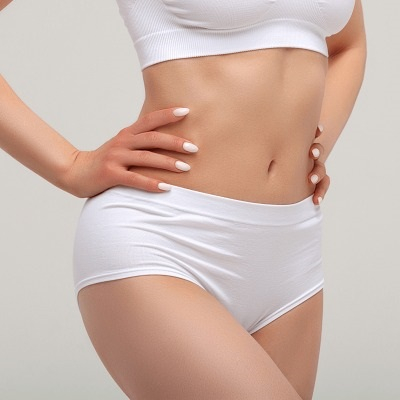
Changes in the pubic area can occur because of aging, significant weight loss, pregnancy, or natural changes in skin elasticity. Excess skin or a prominent mons pubis may affect the appearance of the lower abdomen and the transition between the abdomen and intimate area. Pubic Lift Surgery Dubai is a surgical option that may help improve this area by removing excess skin and, when appropriate, adjusting the underlying tissue for a smoother, more balanced contour.
How Does the Pubic Area Change Over Time?
The mons pubis is the soft, fatty area located above the pubic bone. Its shape and fullness vary naturally from person to person. However, several factors can change its appearance over time.
Common contributing factors include:
-
Significant weight loss: Losing a considerable amount of weight may leave loose or hanging skin around the lower abdomen and pubic area.
-
Aging: Skin can gradually lose elasticity, contributing to sagging.
-
Pregnancy: Changes in body weight and skin stretching may affect the contours of the lower abdomen.
-
Genetics: Natural fat distribution and body structure influence the size and shape of the mons pubis.
-
Weight fluctuations: Repeated changes in body weight can affect skin firmness and the distribution of fat.
Understanding the cause of the concern helps a surgeon determine whether a pubic lift or another treatment would be appropriate.
How Can Surgery Improve the Contour of the Pubic Area?
A pubic lift focuses on improving the shape and position of the mons pubis, particularly when loose skin or sagging tissue creates a less defined contour.
Depending on the individual's anatomy and surgical plan, the procedure may involve removing excess skin and repositioning the remaining tissue. In selected cases, liposuction or another complementary technique may be considered if excess fat contributes to fullness.
These approaches serve different purposes. Removing skin addresses looseness, while liposuction targets localized fat. A surgeon must assess the area to determine which technique, if any, is suitable.
The goal is to create a more proportionate appearance rather than to achieve an identical shape for every patient.
Can a Pubic Lift Reduce Bulging in the Mons Pubis?
A prominent mons pubis can make the lower abdomen appear fuller, especially when wearing fitted clothing or swimwear. If the prominence is mainly caused by excess fatty tissue, a pubic lift alone may not provide the desired change.
When loose skin is the main concern, removing and tightening that skin may help the area appear flatter and less sagging. If excess fat is also present, the surgeon may discuss whether a combined approach is appropriate.
It is important to distinguish between fat-related fullness, loose skin, and the natural shape of the pubic area. Each has different treatment considerations, and surgery cannot guarantee a completely flat contour.
Can Pubic Lift Surgery Improve the Transition Between the Abdomen and Pubic Area?
The appearance of the lower abdomen and pubic area is closely connected. Loose skin or a prominent mons pubis can create a fold or an uneven transition between these regions.
By addressing excess skin and repositioning tissue when necessary, a pubic lift may help create a smoother-looking transition. For some patients, the procedure may be considered alongside lower abdominal surgery, particularly when there is also significant loose skin following weight loss or pregnancy.
However, a pubic lift does not automatically correct all lower-abdominal concerns. The most suitable approach depends on the extent of loose skin, fat distribution, previous surgery, and overall body proportions.
Who May Consider Pubic Lift Surgery?
A person may consider this procedure if they have concerns such as:
-
Loose or hanging skin over the pubic area
-
A sagging mons pubis following substantial weight loss
-
Skin laxity that affects the lower-abdominal contour
-
Persistent excess skin that does not improve with weight management
-
Discomfort or difficulty with certain clothing because of excess tissue
Good candidates are generally in stable health, have realistic expectations, and understand the potential benefits and limitations of surgery. People planning significant weight loss may be advised to wait until their weight has stabilized.
A consultation with a qualified plastic surgeon is necessary to assess individual anatomy, medical history, and treatment goals.
What Happens During the Procedure?
The exact surgical technique varies according to the amount of excess skin, the position of the tissue, and whether another procedure is being performed at the same time.
Before surgery, the surgeon examines the pubic area and discusses the intended changes, incision placement, expected scarring, and recovery requirements.
During the operation, excess skin may be removed and the remaining tissue repositioned. The incision is planned to suit the individual's anatomy and surgical needs. If liposuction or another procedure is recommended, the surgeon should explain how it may affect the overall treatment plan.
The operation is performed using an appropriate form of anesthesia in a suitable medical setting. Patients should follow all preoperative and postoperative instructions provided by their surgical team.
When Can the Results Become Noticeable?
Some changes in contour may be visible after surgery, but the early appearance is affected by swelling, bruising, and normal healing. It can take several weeks or longer for these effects to settle, and the final result may take several months to assess.
The outcome depends on factors such as skin quality, the amount of tissue removed, healing, and whether additional procedures were performed. Scars also need time to mature and may remain visible, even when positioned discreetly.
Following postoperative instructions and attending scheduled follow-up appointments can help the surgical team monitor recovery.
What Are the Possible Risks and Limitations?
Like any surgical procedure, a pubic lift carries potential risks. These may include:
-
Swelling and bruising
-
Pain or temporary discomfort
-
Infection
-
Bleeding or fluid accumulation
-
Delayed wound healing
-
Changes in skin sensation
-
Asymmetry or an uneven contour
-
Visible or widened scarring
-
Risks associated with anesthesia
The degree of risk depends on the individual's health, surgical technique, and recovery. Smoking, certain medical conditions, and some medications may increase complications or affect healing.
Surgery also cannot stop the natural aging process or prevent future changes caused by weight fluctuations. A detailed consultation helps patients understand the likely benefits, alternatives, and risks before making a decision.
How Can You Maintain the Results?
Maintaining a relatively stable weight may help preserve the contour achieved through surgery. A balanced diet, regular physical activity, and healthy lifestyle habits can support general well-being, although they cannot prevent all future changes in skin elasticity.
Patients should also follow their surgeon's guidance regarding wound care, activity restrictions, and the timing of returning to exercise. Strenuous activity should be resumed only when the surgical team confirms it is appropriate.
It is important not to judge the result too early, as swelling and scar maturation can temporarily affect the appearance of the treated area.
Conclusion
Pubic lift surgery may enhance the appearance of the pubic area by addressing loose skin, sagging tissue, and certain contour concerns around the mons pubis. Depending on individual anatomy, it may help create a smoother transition between the lower abdomen and pubic area. When excess fat is also present, a surgeon may discuss whether an additional procedure is appropriate.
The best approach depends on the cause of the concern, the amount of excess tissue, general health, and personal goals. Because surgery involves recovery, scarring, and potential complications, a consultation with a qualified plastic surgeon is essential before proceeding.
Frequently Asked Questions
Can pubic lift surgery make the pubic area look flatter?
It may create a flatter-looking contour when excess skin or sagging tissue is contributing to fullness. Results depend on the underlying cause and the surgical technique used.
Does a pubic lift remove excess fat?
The main purpose of a pubic lift is generally to address loose skin and sagging tissue. Liposuction may be considered when excess fat is also a concern.
Can pubic lift surgery improve the appearance of the lower abdomen?
It may improve the transition between the lower abdomen and pubic area. However, significant loose skin across the abdomen may require a separate or combined procedure.
Will pubic lift surgery leave a scar?
Yes. Surgery involves incisions, so some scarring is expected. The surgeon plans incision placement according to the technique and individual anatomy, but scars may remain visible.
How long does recovery take?
Recovery varies according to the surgical technique and whether other procedures are performed. Swelling and bruising may take several weeks to settle, while the final contour can take months to assess.
Is pubic lift surgery suitable after weight loss?
It may be considered when substantial weight loss leaves excess skin around the pubic area. A surgeon will generally assess whether weight is stable and whether the patient is suitable for surgery.
Are the results permanent?
The removed skin does not grow back in the same way, but aging, weight changes, and other factors can affect the area over time. Long-term results vary.
How do I know whether I need a pubic lift or liposuction?
A qualified surgeon can assess whether the main concern is loose skin, excess fat, or a combination of both. A pubic lift addresses sagging skin and tissue, while liposuction targets localized fat.

