

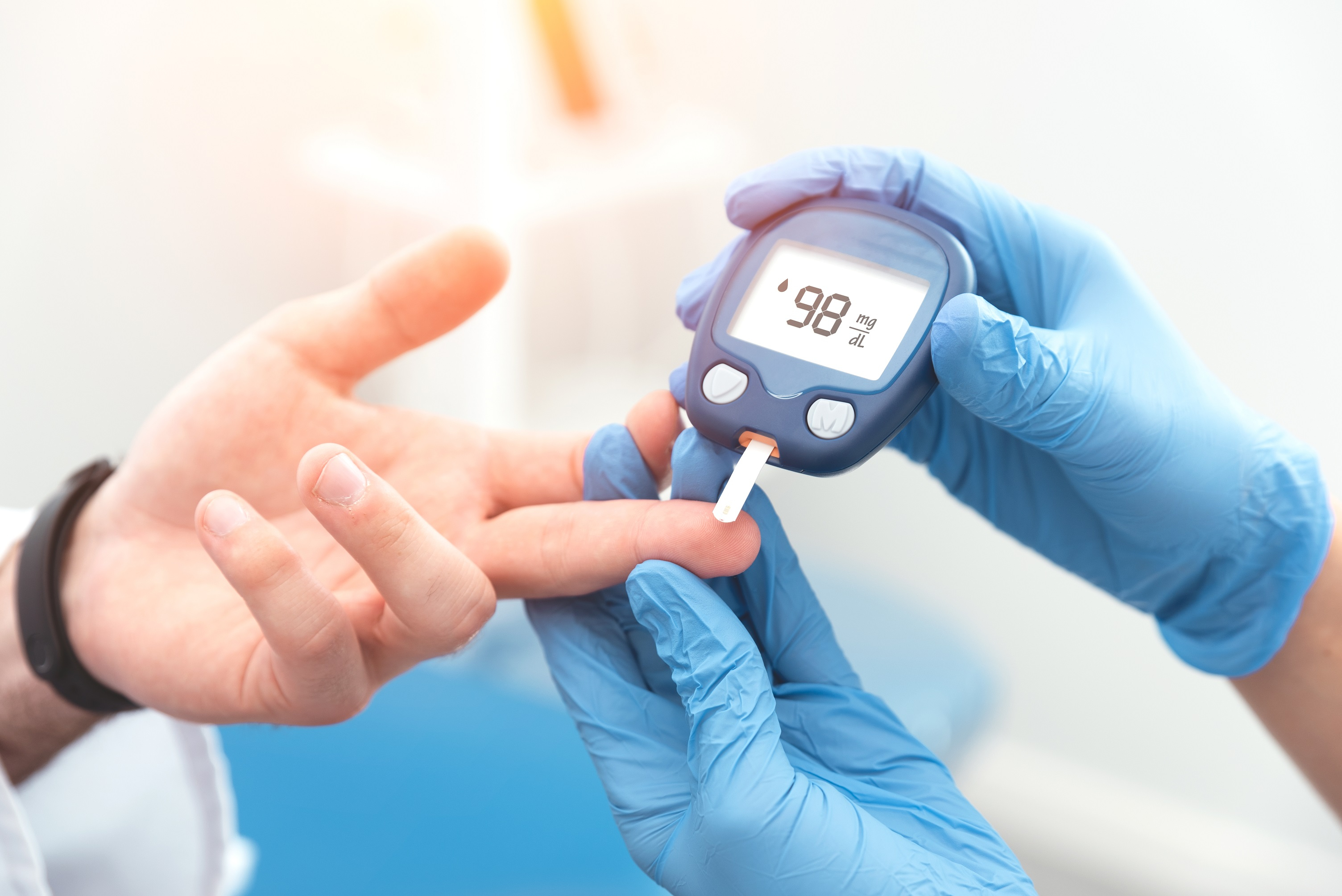

Diabetes can develop gradually, and many people experience few or no noticeable symptoms during its early stages. A blood sugar test can help identify elevated glucose levels before complications develop, giving people an opportunity to seek medical advice and take steps to protect their long-term health.
Early detection is especially important for prediabetes and type 2 diabetes, which can remain undiagnosed for years. With appropriate screening, healthcare professionals can recognize abnormal blood glucose levels, confirm a diagnosis when necessary, and recommend a personalized treatment or prevention plan.
But can a Blood Sugar Test Dubai detect diabetes before symptoms appear? Which test is most reliable, who should get screened, and what do the results mean?
This guide explains how blood glucose testing supports early diabetes detection, the tests doctors commonly use, and when you should consider getting tested.
The Short Answer: Yes, Blood Sugar Testing Can Detect Diabetes Early
A blood sugar test can identify elevated glucose levels before a person notices symptoms. Depending on the test, it may detect prediabetes or diabetes and help a healthcare professional determine whether additional testing is necessary.
The most commonly used tests include:
-
Fasting blood glucose test: Measures blood sugar after an overnight fast.
-
HbA1c test: Estimates average blood glucose over approximately two to three months.
-
Oral glucose tolerance test (OGTT): Measures how the body processes glucose after a glucose-containing drink.
-
Random blood glucose test: Measures blood sugar at any time, regardless of when you last ate.
These tests do not all provide the same information. Some are used for routine screening, while others help clarify a diagnosis or evaluate blood sugar in particular clinical situations.
Importantly, early testing does not guarantee that diabetes will be prevented, but it can help people receive timely guidance and reduce the risk of complications associated with prolonged, untreated high blood sugar.
What Happens to Blood Sugar Before Diabetes Is Diagnosed?
To understand how testing detects diabetes early, it helps to know how glucose works in the body.
When you eat carbohydrates, your digestive system breaks them down into glucose, which enters the bloodstream. The hormone insulin, produced by the pancreas, helps glucose move from the blood into cells for energy.
In type 2 diabetes, the body may become less responsive to insulin, a condition called insulin resistance. Over time, the pancreas may not produce enough insulin to compensate, causing blood glucose levels to rise.
This process can begin long before obvious symptoms appear.
The progression from normal glucose to diabetes
Normal blood glucose: The body generally maintains glucose within a healthy range through the coordinated action of insulin and other hormones.
Prediabetes: Blood glucose levels are higher than normal but do not meet the diagnostic threshold for diabetes. This stage indicates an increased risk of developing type 2 diabetes.
Diabetes: Blood glucose levels meet established diagnostic criteria. Medical evaluation is needed to confirm the diagnosis when required and determine the appropriate management plan.
A blood sugar test can identify these changes even when you feel healthy. However, not everyone progresses through these stages, and a prediabetes result does not mean diabetes is inevitable.
Three Main Tests That Help Detect Diabetes Early:
Choosing the right test depends on your medical history, risk factors, and whether you have symptoms. Healthcare professionals commonly use the following laboratory tests.
1. Fasting Blood Glucose Test
A fasting blood glucose test measures the amount of glucose in your blood after you have avoided food and caloric drinks for at least eight hours. Plain water is generally allowed.
It is a common option for diabetes screening because it provides a clear measurement of blood glucose under fasting conditions.
For nonpregnant adults, the usual diagnostic ranges are:
-
Normal: 99 mg/dL or below
-
Prediabetes: 100–125 mg/dL
-
Diabetes: 126 mg/dL or above
A result in the diabetes range generally needs confirmation with repeat testing or another appropriate diagnostic test unless the clinical situation clearly establishes diabetes.
Fasting glucose can help detect abnormal blood sugar before symptoms become noticeable. However, because it reflects glucose at one particular time, it may not capture every pattern of abnormal glucose regulation.
2. HbA1c Test
The HbA1c test, also called the glycated hemoglobin test, measures the percentage of hemoglobin in red blood cells that has glucose attached to it. It reflects average blood glucose over approximately the previous two to three months.
Unlike a fasting blood glucose test, HbA1c usually does not require fasting, making it convenient for many people.
Common diagnostic ranges for nonpregnant adults are:
-
Normal: Below 5.7%
-
Prediabetes: 5.7–6.4%
-
Diabetes: 6.5% or above
An HbA1c test is particularly useful for identifying longer-term patterns of elevated glucose that may not be obvious from a single blood sugar measurement.
However, certain conditions, including some forms of anemia, recent blood loss or transfusion, hemoglobin variants, and pregnancy-related factors, can affect HbA1c accuracy. A clinician may recommend another test when these issues are present.
3. Oral Glucose Tolerance Test
The oral glucose tolerance test evaluates how effectively your body processes glucose after you drink a measured glucose solution. Blood glucose is usually measured before the drink and again two hours afterward.
For the standard two-hour test in nonpregnant adults, the commonly used ranges are:
-
Normal: Below 140 mg/dL
-
Prediabetes: 140–199 mg/dL
-
Diabetes: 200 mg/dL or above
An OGTT may identify impaired glucose tolerance that is not apparent from fasting glucose alone. It is also used in specific pregnancy-related screening and diagnostic pathways, which have their own criteria.
The test takes longer than a fasting glucose test or HbA1c measurement, so it is generally used when clinically appropriate rather than for every screening appointment.
Can a Blood Sugar Test Detect Diabetes Before Symptoms Appear?
Yes. This is one of the most important benefits of routine diabetes screening.
Type 2 diabetes may develop slowly, and symptoms such as increased thirst, frequent urination, fatigue, blurred vision, or unexplained weight loss may appear only after blood glucose has been elevated for some time. Some people do not notice symptoms at all.
Screening can identify abnormal glucose levels in people who feel well. This gives them an opportunity to discuss lifestyle changes, monitor their health, and begin treatment if diabetes is confirmed.
Early detection is valuable because persistently high blood sugar can damage blood vessels and nerves over time. Diabetes management can help lower the risk of complications affecting the eyes, kidneys, heart, feet, and nervous system.
Nevertheless, no single test detects every case in every circumstance. Results should be interpreted alongside medical history, symptoms, and any factors that could affect the accuracy of the test.
Who Should Consider Early Diabetes Screening?
Although screening recommendations vary by country and individual circumstances, certain people may benefit particularly from blood glucose testing.
You may want to discuss screening with a healthcare professional if you:
-
Are 35 years of age or older.
-
Have overweight or obesity.
-
Have a parent, sibling, or other close family member with type 2 diabetes.
-
Have high blood pressure or abnormal cholesterol levels.
-
Have a history of prediabetes or elevated blood glucose.
-
Have polycystic ovary syndrome (PCOS).
-
Have previously experienced gestational diabetes.
-
Have a relatively inactive lifestyle combined with other diabetes risk factors.
-
Experience symptoms that could indicate high blood sugar.
For example, the US Preventive Services Task Force recommends screening adults aged 35–70 who have overweight or obesity for prediabetes and type 2 diabetes. Other guidelines may use different criteria, and people with symptoms or significant risk factors may need evaluation outside routine screening recommendations.
Your healthcare professional can help determine when to start testing and how often to repeat it.
What Should You Do If Your Blood Sugar Test Is Abnormal?
An abnormal result does not always mean you have diabetes. Temporary illness, stress, medications, preparation errors, and individual differences can affect blood glucose measurements.
If your result is in the prediabetes range, your clinician may recommend regular follow-up testing, lifestyle changes, and assessment of other cardiovascular risk factors. Repeat testing is generally recommended at least annually for people with prediabetes, although your individual schedule may differ.
If your result reaches the diabetes threshold, additional testing is usually needed to confirm the diagnosis unless there is clear evidence of diabetes, such as classic symptoms with markedly elevated glucose or a hyperglycemic crisis.
Once diabetes is confirmed, your healthcare professional can discuss nutrition, physical activity, medication when needed, and a monitoring schedule tailored to your circumstances.
Do not start, stop, or change prescribed medication based solely on one blood sugar reading without appropriate medical guidance.
If you have marked thirst and frequent urination accompanied by vomiting, abdominal pain, rapid or difficult breathing, severe weakness, or confusion, seek urgent medical attention. These symptoms can indicate a serious problem that requires prompt assessment.
How Can You Prepare for an Accurate Blood Sugar Test?
Following the correct preparation instructions helps make test results more reliable.
For a fasting blood glucose test:
-
Avoid food and caloric drinks for at least eight hours, or for the period specified by your clinician.
-
Drink plain water unless you have been instructed otherwise.
-
Ask your healthcare professional how to handle medicines before the test, especially insulin or medications that can cause low blood sugar.
-
Avoid changing your normal routine or medication without medical advice.
For an HbA1c test:
-
Fasting is generally unnecessary.
-
Tell your healthcare professional about conditions or treatments that could affect red blood cell turnover or test accuracy.
For an oral glucose tolerance test:
-
Follow the laboratory's instructions about eating, fasting, activity, and medications before the appointment.
If you are unsure how to prepare, contact the laboratory or your healthcare professional before your test.
Frequently Asked Questions:
Can one blood sugar test confirm diabetes?
Sometimes, but not always. In the absence of unequivocal hyperglycemia, diagnosis generally requires two abnormal results, either from the same test on separate occasions or from different accepted tests.
Is HbA1c better than a fasting blood sugar test?
Neither test is best for everyone. HbA1c reflects average glucose over several months, while fasting glucose measures blood sugar at one point in time. Your clinician can recommend the most suitable test based on your health and medical history.
Can I have diabetes if I feel completely healthy?
Yes. Type 2 diabetes can develop without obvious symptoms, which is why screening is important for people who meet recommended age or risk criteria.
How often should I repeat a diabetes screening test?
For people with normal results, repeat screening about every three years may be reasonable under some guidelines, depending on risk and clinical judgment. People with prediabetes generally need testing at least annually. Your healthcare professional may recommend a different interval.
Can a home glucose meter detect diabetes?
A home glucose meter can identify high readings, but it should not be used as the sole basis for diagnosing diabetes. Laboratory testing and professional evaluation are important for confirmation.
Conclusion:
A blood sugar Lab tests can detect diabetes early, often before symptoms appear. Fasting blood glucose, HbA1c, and the oral glucose tolerance test provide different ways to identify elevated glucose and prediabetes or diabetes.
The most appropriate test depends on your age, risk factors, symptoms, and medical history. If you have risk factors or have not been screened according to recommended guidance, discuss testing with a qualified healthcare professional.
Early detection creates an opportunity to take informed action, whether that means improving lifestyle habits, monitoring glucose levels, or beginning treatment. Regular screening and timely follow-up can support better diabetes management and help protect your long-term health.

