

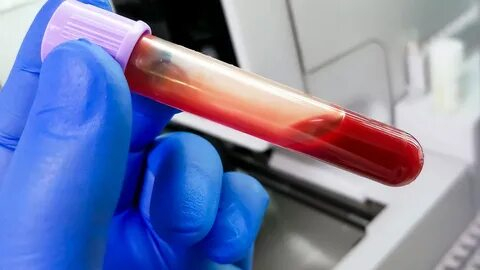

Preparing for a blood test can raise several questions, especially when the test is used to monitor cancer. If your healthcare provider has ordered a Carcinoembryonic Antigen Blood Test in Dubai, you may wonder whether you need to avoid food or drinks before your appointment. Understanding the preparation requirements can help you feel more confident and avoid unnecessary changes to your daily routine.
In most cases, a carcinoembryonic antigen blood test does not require fasting. You can generally eat and drink as usual unless your healthcare provider or laboratory gives you different instructions. However, other blood tests scheduled for the same appointment may require fasting, so it is important to confirm your complete testing plan beforehand.
This guide explains whether fasting is necessary for a CEA blood test, what to do before your appointment, which factors may affect results, and how to understand the test's role in cancer monitoring.
Do You Need to Fast Before a CEA Blood Test?
Usually, no. A CEA blood test measures the amount of carcinoembryonic antigen in your bloodstream. This protein is associated with certain types of cancer, particularly colorectal cancer, although it can also be present in people without cancer.
Unlike certain glucose or lipid tests, CEA testing generally does not require an empty stomach. In most situations, you can eat breakfast, drink water, and continue your usual routine before having your blood drawn.
Nevertheless, preparation instructions can differ depending on the laboratory and the other tests your clinician has ordered. If your appointment includes fasting blood glucose, certain metabolic tests, or other investigations that require an empty stomach, you may need to fast for those tests.
Before your appointment, ask your healthcare provider or laboratory:
-
Is the CEA test the only blood test being performed?
-
Do any additional tests require fasting?
-
Should I take my regular medications as usual?
-
Are there any specific preparation instructions for my circumstances?
Following the instructions provided by your healthcare team is more important than following general advice found online.
What Is a Carcinoembryonic Antigen Blood Test?
Carcinoembryonic antigen is a protein that can be produced by certain cells, including some cancer cells. A CEA blood test measures the concentration of this substance in a blood sample.
Although CEA is often discussed in connection with cancer, it is not a cancer-specific marker. Healthy people may have measurable CEA levels, and several noncancerous conditions can increase them.
Healthcare professionals most commonly use CEA testing to monitor selected cancers, especially colorectal cancer. Depending on the clinical situation, the test may help doctors evaluate treatment response, follow changes over time, or investigate a possible recurrence alongside other assessments.
Why Do Doctors Order a CEA Test?
A healthcare provider may recommend a carcinoembryonic antigen blood test for several reasons:
-
Monitoring colorectal cancer: Tracking CEA levels during or after treatment when the marker is relevant to the patient's cancer.
-
Assessing treatment response: Comparing results over time to see whether the marker is decreasing, increasing, or remaining stable.
-
Supporting recurrence evaluation: Investigating a rising CEA level after cancer treatment alongside imaging, examination, and other appropriate tests.
-
Monitoring selected other cancers: CEA may be useful in some cases involving pancreatic, gastric, lung, or other cancers, depending on the individual circumstances.
CEA testing is generally not recommended as a stand-alone screening test for cancer in people without symptoms. It also cannot independently confirm or rule out cancer.
What Can You Eat and Drink Before a CEA Blood Test?
If your clinician has confirmed that no other test requires fasting, you can usually follow your normal eating and drinking routine before a CEA blood test.
Here is how to approach common foods and beverages.
Food and Meals
You generally do not need to skip breakfast or avoid eating before CEA testing. A normal meal is usually acceptable.
There is also no standard requirement to avoid particular foods specifically to prepare for this test. However, follow any dietary instructions your healthcare provider has given you for other medical reasons or accompanying investigations.
Water
Drinking water is generally permitted and encouraged before a routine blood draw. Staying hydrated can make it easier for a healthcare professional to collect your blood sample.
If you have been instructed to fast for another test, plain water is often allowed, but confirm the laboratory's instructions.
Coffee, Tea, and Other Beverages
If you are having only a CEA test, coffee or tea is not generally prohibited by a fasting requirement because fasting is usually unnecessary.
However, if your appointment includes tests that require fasting, coffee, tea, milk, juice, and sweetened beverages may not be permitted. Plain water is usually the safest option when fasting instructions apply.
Alcohol
There is no universal requirement to avoid alcohol solely because you are having a CEA blood test. Nevertheless, follow your clinician's instructions about alcohol, particularly if other blood tests are planned or you have a medical condition that makes alcohol avoidance advisable.
How to Prepare for Your CEA Blood Test?
Although fasting is usually unnecessary, a few practical steps can help your appointment go smoothly and make your results easier to interpret.
1. Confirm the Laboratory Instructions
Check your appointment details or contact the testing facility before your visit. This is especially important if several blood tests have been ordered together.
Do not assume that all blood tests have identical preparation requirements.
2. Tell Your Provider About Medications and Supplements
Give your healthcare provider an up-to-date list of prescription medicines, over-the-counter products, and supplements you use.
Do not stop taking prescribed medication simply to prepare for a CEA test unless your healthcare provider specifically instructs you to do so.
3. Mention Smoking Status
Smoking can be associated with higher CEA levels, even when cancer is not present. Tell your clinician whether you currently smoke, have recently stopped, or have never smoked.
This information can help your provider interpret your result in context.
4. Share Relevant Health Information
Certain noncancerous conditions, including liver disease, inflammatory bowel disease, pancreatitis, and other inflammatory conditions, may influence CEA levels.
Tell your healthcare provider about relevant diagnoses, recent illnesses, and any changes in your health.
5. Bring Previous Test Results When Available
CEA results are often more useful when compared with earlier measurements. If you have had previous CEA blood tests, make sure your clinician can access those results.
Using the same laboratory when practical may improve consistency because different testing methods can produce results that are not perfectly interchangeable.
What Happens During a CEA Blood Test?
A CEA blood test is a routine blood collection procedure and usually takes only a few minutes.
A healthcare professional typically follows these steps:
-
A band is placed around your upper arm to make a vein easier to access.
-
The skin is cleaned with an antiseptic.
-
A small needle is inserted into a vein, usually in your arm.
-
Blood is collected into a sample tube.
-
The needle is removed, and pressure is applied to the puncture site.
You may experience brief discomfort, mild bruising, or temporary tenderness. Serious complications are uncommon.
After the blood sample is collected, you can generally return to your usual activities unless your healthcare provider gives you other instructions.
Can Eating Before the Test Affect CEA Levels?
Because fasting is not generally required for CEA testing, eating a normal meal is not ordinarily expected to invalidate the result.
However, it is important to distinguish between the effect of food and other factors that may influence CEA measurements. Smoking, certain inflammatory conditions, liver problems, and other medical issues may contribute to elevated results.
Cancer-related factors also matter. Some tumors produce CEA, while others do not produce enough of the marker to cause a measurable increase.
For these reasons, doctors interpret CEA results alongside your medical history, symptoms, treatment history, and other investigations rather than relying on the blood test alone.
If you accidentally eat before an appointment where you were told to fast, contact the laboratory or your healthcare provider. Explain what you ate and which tests are scheduled. They can determine whether the appointment can proceed or whether any part of the testing needs to be rescheduled.
Understanding Your CEA Blood Test Results:
CEA results are commonly reported in nanograms per milliliter (ng/mL). The reference range depends on the laboratory's testing method and the patient's circumstances.
Some laboratories use an upper reference limit around 3 ng/mL for nonsmokers and around 5 ng/mL for smokers, but these figures are not universal. Always use the reference range printed on your own laboratory report and follow your clinician's interpretation.
What Does a Normal CEA Result Mean?
A result within the laboratory's reference range may be reassuring in certain monitoring situations, particularly when previous levels were elevated and have declined during treatment.
However, a normal CEA level does not rule out cancer. Not every cancer produces CEA, and some people with confirmed cancer have normal levels.
What Does an Elevated CEA Result Mean?
An elevated result does not automatically mean that cancer is present or has returned.
Possible explanations include:
-
Certain cancers, including colorectal cancer
-
Smoking
-
Liver disease
-
Pancreatitis
-
Inflammatory bowel disease
-
Other inflammatory or noncancerous conditions
A clinician may recommend repeating the test, reviewing previous results, performing imaging, or arranging other investigations depending on the degree of elevation and the patient's medical history.
Why Are Trends Important?
For cancer monitoring, changes in CEA over time can be more informative than one isolated measurement.
A sustained rise may prompt further evaluation, while a decline during treatment may support the conclusion that the treatment is having the intended effect. Neither pattern proves a particular outcome by itself.
Your healthcare provider will determine what the results mean in the context of your overall care.
Frequently Asked Questions About CEA Test Preparation:
Can I eat breakfast before a CEA blood test?
Yes, in most cases. CEA testing generally does not require fasting, so breakfast is usually acceptable. Check whether any additional tests ordered for the same appointment require an empty stomach.
Can I drink water before a CEA blood test?
Yes. Water is generally allowed before a routine CEA blood draw. Drinking water may also make blood collection easier.
Should I stop taking medication before the test?
Do not stop prescribed medication unless your healthcare provider tells you to. Inform your provider about all medicines and supplements you take.
Is a CEA blood test used to diagnose cancer?
CEA is not reliable enough to diagnose cancer on its own. It is primarily used to monitor selected cancers and may support further investigation when interpreted with other clinical findings.
What should I do if I forgot to fast?
For a CEA test alone, fasting is usually unnecessary. If your clinician or laboratory specifically instructed you to fast, contact them and explain the situation before proceeding, especially if other tests are scheduled.
Conclusion:
A carcinoembryonic antigen blood Lab tests usually does not require fasting, and most people can eat and drink normally before the blood draw. The main exception is when additional tests or specific medical circumstances require different preparation.
To prepare appropriately, confirm your laboratory's instructions, continue medications as directed, share relevant health information, and bring previous CEA results when available.
Most importantly, remember that CEA is a monitoring tool rather than a definitive cancer test. Your healthcare provider will interpret your result using the laboratory's reference range, changes over time, medical history, and any other necessary investigations. If you are unsure about fasting or another preparation requirement, contact your healthcare team before your appointment for advice specific to your situation.

