


Can a Facelift Improve Deep Facial Folds?
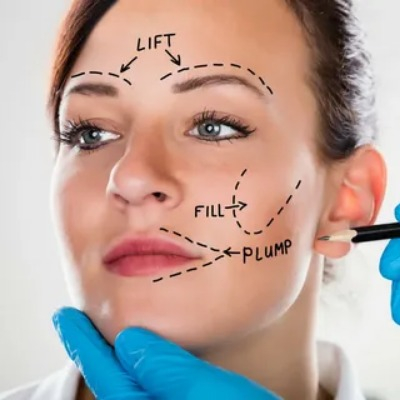
Deep facial folds can become more noticeable as the skin loses elasticity and the tissues beneath it gradually change position. Lines around the nose and mouth, loose skin near the cheeks, and sagging along the jawline may contribute to an older-looking appearance. Although these changes are a natural part of aging, many people explore facial rejuvenation to achieve smoother, more balanced contours.
Facelift Treatment in Islamabad is a surgical option for individuals concerned about sagging facial tissues and certain prominent folds. Understanding what causes these changes and how a facelift works can help you choose an appropriate treatment approach.
Why Do Deep Facial Folds Develop?
Facial folds develop through a combination of skin aging, changes in facial volume, and movement of underlying tissues. Collagen and elastin gradually decline with age, making the skin less firm and flexible. Fat distribution can also change, while supporting structures may shift downward.
These changes can make the folds extending from the nose toward the corners of the mouth more prominent. Loose skin around the cheeks and jawline may further affect the appearance of the lower face.
Other factors, including genetics, sun exposure, smoking, and significant weight fluctuations, can influence the development of visible facial aging.
However, not every deep fold has the same cause. Some are associated with sagging tissues, while others result partly from volume loss or repeated facial movements. Identifying the underlying concern is important before choosing a cosmetic procedure.
How Can Facelift Treatment Improve Facial Folds?
A facelift is designed to address selected signs of aging by repositioning underlying facial tissues and removing carefully planned amounts of excess skin.
When folds are associated with sagging cheeks and descended tissues, improving the position of these structures may make certain creases less prominent. The procedure may also improve jawline definition and reduce the appearance of jowls.
Facelift Treatment in Islamabad may be appropriate for people whose main concerns involve significant skin laxity and sagging in the middle or lower face.
It is important to understand that a facelift does not remove every line. Some folds may remain because they are influenced by skin texture, facial movement, or loss of volume. The aim is generally to create a refreshed appearance rather than eliminate every natural facial feature.
Which Areas May Benefit From a Facelift?
The areas addressed depend on the patient's facial anatomy and the surgical technique.
-
Cheeks: Repositioning sagging tissues may improve the appearance of the lower cheeks.
-
Folds around the mouth: Certain folds may become less prominent when the surrounding tissues are lifted.
-
Jawline: Treating jowls and excess skin may create a more defined lower facial contour.
-
Lower face: Removing excess skin and addressing tissue descent may improve overall smoothness.
A facelift does not directly treat every forehead wrinkle, eyelid concern, or area of pigmentation. These concerns may require separate assessment, and additional treatments should only be considered when appropriate.
Who May Be a Suitable Candidate?
Adults with noticeable facial sagging who want to improve selected signs of aging may consider a facelift consultation. Suitability depends on overall health, skin quality, facial anatomy, and expectations rather than age alone.
A surgeon should review the patient's medical history, medications, allergies, and previous cosmetic procedures before recommending treatment.
Patients should understand that surgery involves incisions, recovery time, potential scars, and possible complications, including bleeding, infection, changes in sensation, and anesthesia-related risks.
Smoking and certain health conditions may increase surgical risks or interfere with healing. These factors should be discussed openly during the consultation.
People with mild folds caused mainly by surface wrinkles or volume loss may be better suited to a different approach. A professional assessment helps distinguish between these concerns.
What Happens During the Consultation?
A detailed consultation helps determine whether facelift surgery can realistically address the patient's goals. The surgeon examines facial contours, skin laxity, and the position of the underlying tissues.
Patients should describe which folds concern them most and explain the type of improvement they hope to achieve. The surgeon can then discuss the expected benefits, limitations, and alternatives.
Before choosing Facelift Treatment in Islamabad, ask about:
-
The surgeon's qualifications and experience with facelift surgery.
-
The proposed surgical technique and incision placement.
-
Anesthesia and the surgical facility.
-
Expected recovery time and postoperative care.
-
Potential complications and how they would be managed.
You should receive clear information and have enough time to make a decision without pressure.
How Can You Prepare for the Procedure?
Preparation depends on your health and the planned operation. Your surgeon may recommend medical assessments and provide instructions concerning medications, supplements, smoking, and other factors that may affect healing.
Disclose all medicines and supplements you take, along with any medical conditions or allergies. Do not stop prescribed medication without professional guidance.
Arrange transportation home and assistance during the initial recovery period if needed. Planning time away from strenuous activities can also make healing easier to manage.
Careful preparation supports appropriate care, but it cannot eliminate every possible surgical risk.
What Should You Expect During Recovery?
Swelling, bruising, tightness, and temporary discomfort are common after a facelift. These effects generally improve over time, although recovery varies depending on the surgical technique and individual healing.
Follow the surgeon's instructions for incision care, medication, sleeping position, and activity restrictions. Avoid strenuous exercise until your surgical team confirms that it is safe.
The final appearance takes time to settle because early swelling can temporarily affect facial contours. Attending follow-up appointments allows the surgeon to assess healing and address concerns.
Report increasing pain, fever, spreading redness, or unusual wound discharge promptly. Sudden severe swelling or difficulty breathing requires emergency medical attention.
How Can You Maintain Your Results?
A facelift can improve selected signs of aging, but it cannot stop the natural aging process. Facial tissues continue to change over time, and the longevity of results varies between individuals.
After your surgeon confirms that healing is complete, daily sun protection and an appropriate skincare routine can help maintain skin quality. Avoiding smoking and maintaining a stable weight may also support your overall results.
Realistic expectations are essential. A facelift can improve facial contours, but it cannot guarantee completely smooth skin or permanently remove every fold.
Why Consider Enfield Royal Clinic in Islamabad?
People researching Facelift Treatment in Islamabad may include Enfield Royal Clinic in Islamabad when comparing potential providers. Before choosing a clinic, confirm whether the specific procedure is available and identify the surgeon who would perform it.
Ask about professional qualifications, facelift experience, surgical facilities, anesthesia arrangements, follow-up care, and the management of possible complications. Reviewing relevant before-and-after photographs may help you discuss realistic expectations, although individual results vary.
A responsible provider should explain the benefits, limitations, risks, and alternatives clearly, without guaranteeing a particular outcome.
Categories
- Artificial Intelligence (AI)
- Technology
- Business
- Education
- Science
- Lifestyle
- Healthcare
- Entertainment
- Politics
- Environment
- Travel
- Finance
- Automobile
- News
- Art
- Causes
- Crafts
- career
- Dance
- Drinks
- Film
- Fitness
- Food
- Games
- Gardening
- Health
- Home
- Literature
- Music
- Networking
- Other
- Party
- Religion
- Shopping
- Sports
- Theater
- Wellness
Read More
The Huntington’s Disease Treatment Market has significant long-term potential as researchers continue searching for more effective ways to manage and potentially modify Huntington’s disease. The market combines established symptomatic therapies with emerging treatments based on advances in genetics, molecular biology, and precision medicine. One of the strongest areas of opportunity...

The Post-Traumatic Stress Disorder Market is expanding as awareness of mental health conditions increases and access to diagnosis and treatment improves worldwide. According to Market Research Future, the market was valued at USD 18.47 billion in 2024 and is projected to grow from USD 19.47 billion in 2025 to USD 33.05 billion by 2035, registering a CAGR of 5.43%. The increasing...
The global healthcare ecosystem, neurorehabilitation practice, and medical robotics manufacturing industries are undergoing an extensive technological evolution, with advanced human-robot interaction systems serving as a foundational pillar for patient independence. Assistive robotics encompasses a highly specialized range of electromechanical and autonomous devices including powered...
Automotive power distribution blocks are used in passenger cars, commercial vehicles, buses, and other types of vehicles. Their applications vary depending on the vehicle's electrical architecture and power requirements. The automotive power distribution block market is witnessing strong growth as vehicles incorporate more electrical and electronic systems. Power distribution blocks...

The Acemetacin Market is experiencing steady development as demand for effective pain-management and anti-inflammatory therapies increases worldwide. Acemetacin is a non-steroidal anti-inflammatory drug used in applications associated with pain and inflammatory conditions, including osteoarthritis and rheumatoid arthritis. The market is influenced by the growing prevalence of chronic pain,...
