


10 Creative Custom Trade Show Booth Ideas to Attract More Visitors
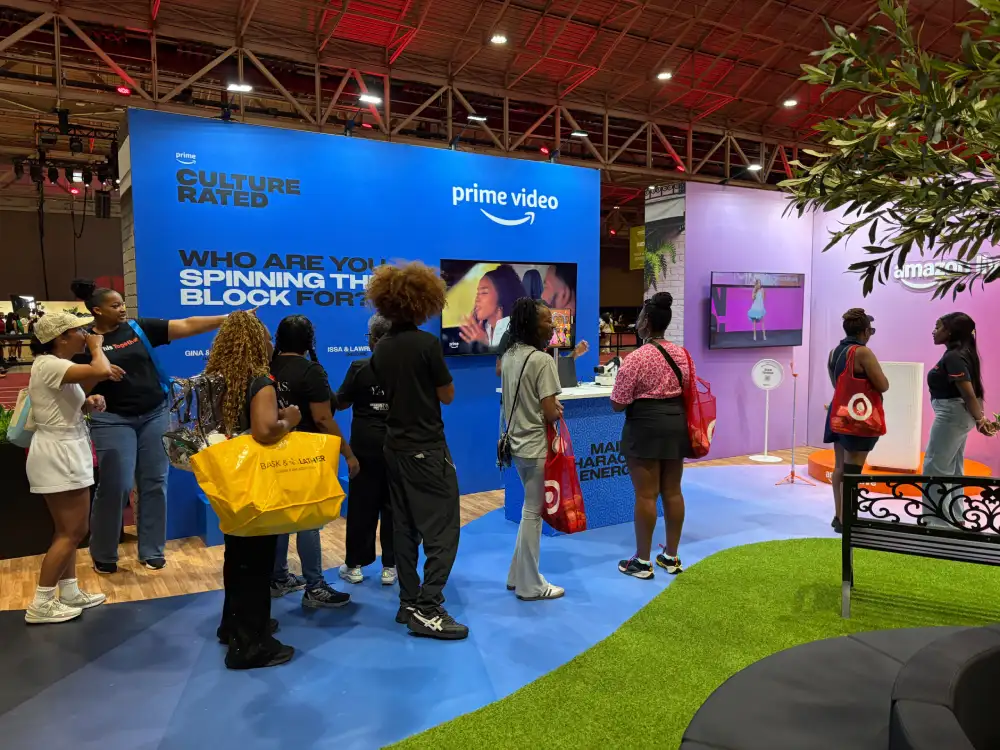
Trade shows give businesses an excellent opportunity to showcase their products, introduce new services, connect with potential customers, and build lasting industry relationships. However, with multiple brands competing for attention in the same exhibition hall, attracting visitors to your booth can be challenging.
A standard display may communicate your brand name, but a thoughtfully designed exhibition space can create curiosity, encourage conversations, and leave a lasting impression. This is where custom trade show booths make a difference. Unlike generic display setups, custom booths allow businesses to create an environment that reflects their brand identity, supports their marketing objectives, and gives visitors a reason to stop and explore.
From interactive product demonstrations to immersive brand experiences, there are several ways to make an exhibition booth more engaging. The key is to combine creative design with practical functionality.
Here are 10 creative custom trade show booth ideas that can help your business attract more visitors and make the most of its next exhibition.
1. Create a Bold, Visually Striking Booth Design
First impressions matter at trade shows. Visitors often walk past dozens of exhibitors, making it important to establish a recognizable presence from a distance.
A visually striking custom booth can help your business stand out through distinctive shapes, carefully selected colors, large-format graphics, and well-positioned branding.
Instead of filling every surface with promotional messages, focus on a clear visual concept that communicates your brand's personality. A technology company might choose a sleek, contemporary design, while a sustainable consumer brand could incorporate natural textures and understated graphics.
Consider these elements when developing your booth:
- A prominent brand logo that is visible from the aisle.
- A concise headline communicating your primary offering.
- High-quality graphics that reinforce your brand identity.
- A balanced layout that directs attention toward key products or services.
- Lighting that highlights important areas without overwhelming the space.
A strong visual identity helps visitors recognize your company and understand what makes it different. When the design is supported by a clear message, your booth becomes more than an attractive structure; it becomes a useful marketing asset.
2. Build an Interactive Product Demonstration Area
People are more likely to remember a product when they can see how it works. An interactive demonstration area gives visitors an opportunity to experience your offering rather than simply reading about it.
For example, a software company could create a dedicated screen area for live product demonstrations. A manufacturer might showcase how a machine component works, while a consumer electronics brand could allow visitors to test selected products.
When planning an interactive area, make sure the experience is simple, relevant, and easy to access.
Consider providing:
- Live product demonstrations at scheduled intervals.
- Hands-on product testing where appropriate.
- Touchscreens or digital presentations.
- Short demonstrations highlighting specific customer benefits.
- Staff members who can answer questions and guide visitors.
The demonstration should focus on solving a problem or explaining a meaningful benefit. Long presentations or complicated activities can discourage visitors who have limited time.
A well-planned interactive booth can encourage meaningful conversations, help visitors understand your product, and give your sales team a natural starting point for discussing customer needs.
3. Use Immersive Technology to Tell Your Brand Story
Technology can transform a traditional exhibition space into an engaging brand experience. Depending on your industry and audience, digital tools can help communicate complex information, demonstrate products, or create memorable interactions.
Large digital screens, augmented reality experiences, virtual product walkthroughs, and interactive presentations can all play a role in a custom trade show booth.
For instance, an architecture or interior design company could use digital visualization to show how its solutions work in a real environment. A travel brand might present immersive destination content, while a manufacturing company could use animated diagrams to explain a complex production process.
However, technology should support your message rather than become a distraction.
Before investing in digital features, consider whether they genuinely improve the visitor experience. Make sure the content loads quickly, the equipment works reliably, and visitors can understand the experience without extensive instructions.
It is also wise to have a backup presentation in case of technical issues.
When used thoughtfully, immersive technology can make information easier to understand and give visitors a compelling reason to spend more time at your booth.
4. Design a Dedicated Space for Product Launches
Trade shows are valuable platforms for introducing new products, announcing innovations, and generating interest in upcoming releases.
A custom booth can include a dedicated launch area that makes the announcement feel important without overwhelming the rest of the exhibition space.
Consider using a distinctive backdrop, focused lighting, digital countdowns, or a clearly defined product display. Keep the product itself at the center of attention and provide enough room for visitors to view it comfortably.
You can also organize short product reveal sessions or demonstrations throughout the event. Scheduling these activities helps create anticipation and gives visitors a reason to return.
For the best results, coordinate the booth experience with your wider marketing campaign. Announce the launch before the exhibition, promote demonstration times on social media, and provide a clear next step for visitors who want additional information.
A dedicated launch area can help your business generate interest, collect qualified leads, and make a new product more memorable.
5. Incorporate Comfortable Networking and Meeting Areas
Attracting visitors is important, but creating an environment where meaningful conversations can take place is equally valuable.
Some visitors want a quick overview of your services, while others may be interested in discussing project requirements, pricing, or potential partnerships. A thoughtfully designed meeting area gives these conversations a suitable setting.
Depending on your booth size, you could include a small round table, compact seating, a consultation counter, or a semi-private meeting space.
The design should maintain a balance between openness and privacy. Visitors should feel welcome to approach your team, while sales representatives should have enough room to conduct focused discussions.
For larger custom trade show booths, separate zones can help accommodate different activities:
- An open area for attracting new visitors.
- A product demonstration zone.
- A consultation area for qualified prospects.
- A meeting space for existing clients and business partners.
Clear zoning helps prevent the booth from feeling overcrowded and allows your team to serve different types of visitors more effectively.
6. Use Creative Lighting to Highlight Key Features
Lighting can significantly influence how visitors perceive an exhibition booth. It can draw attention to products, emphasize architectural features, and create a distinctive atmosphere.
Instead of relying entirely on general exhibition hall lighting, consider incorporating lighting into the booth design itself.
LED accent lights can highlight product displays, while backlit graphics can improve visibility and give branding elements a polished appearance. Carefully positioned spotlights can also direct attention toward demonstration areas or featured products.
Different lighting approaches can support different brand personalities. A premium product brand might prefer subtle, focused lighting, while a technology exhibitor could use more dynamic illumination to complement its visual identity.
When planning your lighting, keep these considerations in mind:
- Highlight the most important products and messages.
- Avoid glare on screens and reflective surfaces.
- Maintain comfortable lighting levels for visitors and staff.
- Confirm venue rules for electrical installations.
- Choose energy-efficient equipment where practical.
Creative lighting works best when it supports the overall design concept. A coordinated approach can make your booth more noticeable without creating unnecessary visual clutter.
7. Make Sustainability Part of Your Booth Design
Sustainability has become an important consideration for many businesses when planning events and promotional activities. A thoughtfully designed exhibition booth can help reduce material waste while maintaining a professional appearance.
Consider reusable structural components, modular booth systems, durable graphics, energy-efficient lighting, and materials that can be repurposed after the event.
For example, a modular booth can be reconfigured for different exhibition spaces instead of requiring a completely new structure each time. Replaceable graphic panels can also allow businesses to update their messaging while retaining the main framework.
Companies can further reduce waste by planning material quantities carefully and avoiding unnecessary promotional items.
If sustainability is part of your brand positioning, communicate specific, verifiable design choices rather than making broad environmental claims that cannot be supported.
A sustainable booth should still meet practical requirements for durability, safety, transportation, and visitor engagement.
By incorporating responsible design choices from the beginning, businesses can create custom trade show booths that support their marketing objectives while making more efficient use of resources.
8. Create an Instagram-Worthy Photo Opportunity
A memorable visual feature can encourage visitors to take photographs and share their experience online. This can extend your booth's visibility beyond the exhibition floor and introduce your brand to people who are not attending the event.
Depending on your audience, the feature could be a branded installation, a distinctive product display, a creative backdrop, or a visually interesting architectural element.
The design should feel connected to your brand rather than like an unrelated decoration. For example, a sports equipment company could create a themed product experience, while a lifestyle brand might use a carefully styled environment that reflects its products.
To encourage participation, provide good lighting, enough room for photographs, and a recognizable branded element.
You can also invite visitors to share their photos using an event-specific hashtag, provided the campaign fits your audience and marketing strategy.
Keep the photo area accessible and avoid blocking aisles or important product displays. If you collect user-generated content for promotional purposes, make sure you obtain appropriate permission before reusing it.
A well-designed photo opportunity can help turn a booth visit into a shareable brand experience.
9. Use Clear Messaging and Smart Lead-Capture Tools
A creative booth may attract attention, but its messaging determines whether visitors understand what your business offers.
Exhibition attendees often have limited time, so the most important information should be easy to find. Focus on the products, services, or benefits most relevant to your target audience.
Rather than listing every capability, organize information into a few clear messages. Use product visuals, short explanations, and supporting digital content to help visitors explore further.
You can also incorporate lead-capture tools into the booth design.
For example, a QR code could direct visitors to a product catalogue, consultation booking page, product demonstration request, or relevant landing page. Digital forms can help capture contact details, while staff members can record visitor interests and follow-up requirements.
For effective lead generation:
- Make the call to action easy to understand.
- Keep forms short and relevant.
- Explain what visitors can expect after submitting their details.
- Train booth staff to ask useful qualifying questions.
- Follow up promptly with appropriate, personalized communication.
Remember that the goal is not simply to collect as many contacts as possible. It is to identify relevant prospects and create opportunities for future business conversations.
10. Build a Flexible Modular Booth for Future Events
Businesses that participate in multiple trade shows often need different booth configurations throughout the year. A layout suitable for a large industry exhibition may not work for a smaller regional event.
A modular custom booth can provide the flexibility to adapt your exhibition presence without redesigning the entire structure each time.
Modular systems typically use components that can be combined, rearranged, or expanded according to the available space and the event's requirements.
For example, a business could use a larger configuration at a major trade show and a simplified version at a smaller conference. Compatible counters, display panels, lighting, and graphic elements can help maintain a consistent brand identity across both setups.
When evaluating a modular design, consider the following:
- Whether the components support different booth dimensions.
- How easily the structure can be assembled and dismantled.
- Whether graphics can be replaced independently.
- How the system will be transported and stored.
- Whether additional components can be incorporated later.
Although a modular system may require careful planning at the outset, its flexibility can make it a valuable long-term investment for businesses with recurring exhibition requirements.
How to Choose the Right Custom Trade Show Booth Design
The most creative booth is not necessarily the most effective one. A successful design should support your business objectives, fit the event environment, and make it easy for visitors to interact with your brand.
Before finalizing your booth concept, consider these essential factors.
Understand Your Target Audience
Think about who you want to attract and what matters to them. Technical buyers may value detailed demonstrations, while retail customers may respond better to product experiences and clear benefit statements.
Establish a Realistic Budget
Account for design, fabrication, graphics, lighting, transportation, installation, dismantling, storage, and future modifications. Understanding the total cost helps prevent unexpected expenses.
Plan the Visitor Journey
Consider how people will approach the booth, where they will find key information, and how they will move between demonstrations and conversations.
Prioritize Brand Consistency
Your booth should feel like a natural extension of your website, product packaging, and other marketing materials. Consistent colors, messaging, and visual elements help strengthen recognition.
Consider Reusability
If you attend multiple exhibitions, explore modular structures, replaceable graphics, and durable materials that can support future events.
Work With an Experienced Exhibition Partner
A professional booth design and fabrication company can help translate your objectives into a practical layout, recommend suitable materials, coordinate production, and manage installation requirements.
Taking the time to address these factors can help you develop a booth that is attractive, functional, and aligned with your marketing strategy.
Measuring the Success of Your Custom Trade Show Booth
Once the exhibition is over, evaluate whether your booth achieved its intended objectives. Measuring performance helps you understand which elements worked well and where improvements may be needed.
Useful metrics include:
- Visitor engagement: How many people interacted with your booth or participated in demonstrations?
- Qualified leads: How many visitors matched your target customer profile?
- Meetings booked: Did the exhibition generate consultations or sales appointments?
- Product interest: Which products or services attracted the most attention?
- Follow-up results: How many leads responded to post-event communication?
- Return on investment: How did the event's results compare with the total cost of participation?
The most relevant metrics depend on your goals. A product launch may prioritize awareness and demonstrations, while a B2B exhibition may focus on qualified leads and sales opportunities.
Reviewing these results can help your business improve booth design, staffing, messaging, and lead-generation activities for future events.
Conclusion
A well-designed exhibition space can do much more than display a company's name. It can introduce a brand, demonstrate product value, encourage meaningful conversations, and create memorable experiences for potential customers.
These 10 creative custom trade show booth ideas offer practical ways to improve visitor engagement, from interactive demonstrations and immersive technology to comfortable meeting spaces, sustainable materials, and flexible modular systems.
The most effective approach is to select ideas that suit your audience, budget, industry, and event objectives. By combining creative design with clear messaging and a thoughtful visitor experience, businesses can build an exhibition presence that supports stronger brand recognition and more productive business connections.
Looking to create a custom trade show booth for your next exhibition?
Purple Exhibits helps businesses develop exhibition solutions tailored to their brand identity, space requirements, and marketing goals. Whether you need a distinctive custom booth, an engaging product display, or support with exhibition planning, choosing the right design approach can help your brand make a stronger impression.
Contact Purple Exhibits to discuss your exhibition requirements and explore a solution for your next trade show.
Categories
- Artificial Intelligence (AI)
- Technology
- Business
- Education
- Science
- Lifestyle
- Healthcare
- Entertainment
- Politics
- Environment
- Travel
- Finance
- Automobile
- News
- Art
- Causes
- Crafts
- career
- Dance
- Drinks
- Film
- Fitness
- Food
- Games
- Gardening
- Health
- Home
- Literature
- Music
- Networking
- Other
- Party
- Religion
- Shopping
- Sports
- Theater
- Wellness
Read More
The Neurovascular Devices Market is experiencing substantial growth as healthcare systems worldwide focus on improving the diagnosis and treatment of neurological disorders such as ischemic stroke, cerebral aneurysms, and arteriovenous malformations. Neurovascular devices are specialized medical technologies used in minimally invasive procedures to restore blood flow, repair damaged blood...

Transporting a bike from one city to another can be affordable and convenient with Indian Railways. If you are relocating, moving to another state, or travelling to a different city, IRCTC bike parcel services are worth considering. Indian Railways allows two-wheelers to be transported through its parcel and luggage services, subject to applicable railway rules and availability. Although many...
Canada has a diverse digital entertainment culture, and slot themes remain an important part of what attracts attention to different titles. While traditional reel designs continue to have their own audience, modern releases increasingly use distinctive settings, characters, stories, and visual styles to create memorable experiences. Research discussing Canadian preferences has highlighted...

Plastic Lid Market Summary According to Market Research Future®, Plastic Lid Market Size is expected to register a CAGR of 3.36% from 2025 to 2035. Market growth is being supported by evolving industry requirements, technological advancements, expanding application areas, and increasing investment activity across global markets. Plastic lids are...
According to the latest report published by Data Bridge Market Research, the Data Center Colocation Market The global data center colocation market size was valued at USD 65.3 billion in 2025and is expected to reach USD 155.8 billion by 2033, at a CAGR of 11.5% during the forecast period. This Data Center Colocation Market report is a verified and reliable source of information...
