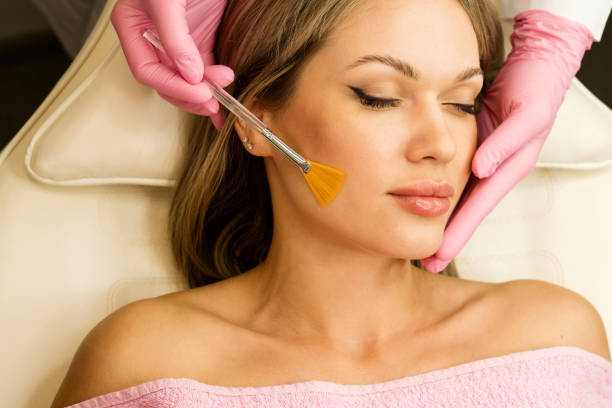
Sensitive skin makes every skincare decision feel like a gamble. Products that suit others trigger redness, stinging, or breakouts. Procedures that promise improvement sometimes cause reactions instead. So when someone with sensitive skin considers a chemical peel, Chemical Peels in Riyadh the question is genuine: can I safely do this? The answer is often yes, but with important precautions and the right peel selection. If you're considering Chemical Peels in Riyadh and your skin reacts easily, here's what you need to know.
What Makes Skin Sensitive
A Compromised Barrier
Sensitive skin often has a weakened protective barrier, allowing irritants to penetrate more easily and moisture to escape.
Reactivity to Products
Fragrances, preservatives, and harsh actives can trigger redness, stinging, and inflammation.
Inflammation Tendency
Sensitive skin may react more strongly to physical and chemical stimuli.
Variable Triggers
Heat, cold, stress, and hormonal changes can all provoke reactions.
Difficulty Predicting Responses
What works for one sensitive patient may irritate another.
Safe Peel Options for Sensitive Skin
Lactic Acid Peels
Milder than glycolic acid, lactic acid is gentler and suitable for sensitive skin. It hydrates while exfoliating.
Mandelic Acid Peels
Derived from almonds, mandelic acid has a larger molecule that penetrates more slowly, reducing irritation.
Low-Concentration Glycolic Acid
At low concentrations, glycolic acid can be tolerated by some sensitive skin types.
Salicylic Acid Peels
Useful for sensitive, acne-prone skin, though concentrations must be conservative.
Custom Blends
Some practitioners customize peels with soothing ingredients alongside exfoliating acids.
Peels to Approach With Caution
High-Concentration Glycolic Acid
Can irritate sensitive skin. Lower concentrations are safer.
TCA Peels
Medium-depth TCA peels carry higher risk of irritation and pigmentation changes.
Phenol Peels
Deep peels are not appropriate for sensitive skin.
Multiple Acid Combinations
Stronger combinations increase irritation risk.
Peels With Added Fragrance
Fragrance is a common irritant. Fragrance-free formulations are preferable.
Important Precautions
Patch Test
A small trial area before full treatment helps determine tolerance. For sensitive skin, this is worth requesting.
Consultation and Assessment
Your practitioner should assess your barrier health, triggers, and history before recommending a peel.
Rule Out Underlying Conditions
Rosacea, eczema, and contact dermatitis require diagnosis and management before cosmetic treatment.
Address Active Inflammation
Treatment should be postponed until skin is calm.
Start Conservative
Lower concentrations and shorter contact times reduce risk.
Post-Peel Care
Gentle, fragrance-free products and diligent sun protection are essential.
What Practitioners Should Assess
Skin Barrier Health
The condition of your barrier affects how well you'll tolerate treatment.
Current Skin State
Active inflammation, broken skin, or infection should be resolved before treatment.
Previous Reactions
History of reactions to peels, products, or ingredients matters.
Underlying Conditions
Rosacea, eczema, and other conditions require assessment.
Medication Use
Certain medications affect skin sensitivity and healing.
Reducing Risk During Treatment
Gentle Cleansing
Harsh cleansers should be avoided. A mild, pH-balanced cleanser is appropriate.
Shorter Contact Time
Less time on the skin reduces penetration and irritation.
Neutralization
Proper neutralization prevents excessive exfoliation.
Soothing Aftercare
A calming mask or cold compress helps reduce redness.
Staged Approach
Starting conservatively and building gradually reduces risk.
Aftercare for Sensitive Skin
Keep It Simple
Stick to gentle, familiar products during recovery.
Avoid Actives
Skip retinoids, acids, and exfoliants for at least a week.
Stay Hydrated
Water supports healing and skin quality.
Protect From Sun
Use a mineral sunscreen with zinc oxide or titanium dioxide.
Watch for Reactions
Prolonged redness, swelling, or irritation beyond a few days warrants a call.
Who May Not Be Suitable
Active Skin Infections
Treatment should wait until the area is healthy.
Severe Rosacea or Eczema
These require management before cosmetic treatment.
Known Allergies to Peel Components
Alternatives may need to be discussed.
Very Reactive Skin
Some patients may react to even minimal treatment. Assessment determines suitability.
Questions to Ask During Consultation
About Suitability
"Is my sensitive skin suitable for a peel?"
About Options
"Which peel is gentlest for my skin type?"
About Precautions
"What adjustments will you make for my sensitive skin?"
About Aftercare
"What should I do to minimise irritation?"
About Alternatives
"Are there gentler options I should consider?"
Book an Appointment Consultation Clinic
For those seeking expert guidance and customized aesthetic care, you can book an appointment consultation at the Enfield Royal Riyadh. A personalised consultation determines whether a peel suits your sensitive skin and how to approach treatment safely.
FAQs
Can sensitive skin tolerate chemical peels?
Often yes, with the right peel selection and precautions. A consultation and possibly a patch test are essential.
Which peel is gentlest for sensitive skin?
Lactic acid and mandelic acid peels are generally gentler than glycolic or TCA peels.
What should I avoid before a peel if I have sensitive skin?
Skip retinoids, acids, and exfoliants for at least a week. Disclose all products and medications.
Will my skin react badly to a peel?
Mild redness and sensitivity are normal. Severe or prolonged reactions are uncommon but should be reported.
How should I care for sensitive skin after a peel?
Keep it simple: gentle cleansing, barrier-repair moisturiser, mineral sunscreen, and no actives for at least a week. People searching for an advanced peel clinic riyadh should prioritise suitability. A Chemical Peels in Riyadh consultation should include honest discussion of sensitive skin considerations.