

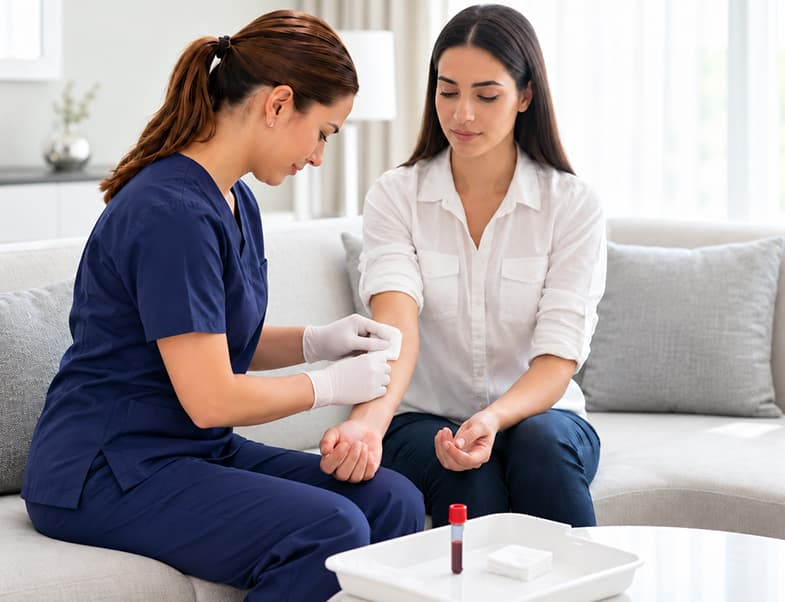

Sexual health screening can play an important role in protecting both partners, particularly when starting a new relationship, planning a family, or addressing a possible exposure to a sexually transmitted disease (STD). If you are considering an STD Test Dubai, a healthcare professional at Dynamic Life Clinic can help you understand which tests may be appropriate for your circumstances. Even when both partners feel healthy, screening can identify infections that may not cause obvious symptoms and help couples make informed decisions about their sexual health.
How Screening Helps Protect Both Partners
When both partners consider appropriate STD testing, they can better understand their sexual health status and take steps to reduce the risk of transmitting infections. Some STDs remain unnoticed for months or longer because symptoms may be mild or absent. Testing can help identify infections that require treatment or ongoing management, while medical guidance helps couples understand the results. The need for testing depends on each person's history, possible exposure, previous results, and individual risk factors.
Can One Partner Have an STD Without Knowing It?
Yes, a person can have a sexually transmitted infection without experiencing noticeable symptoms. Infections such as chlamydia, gonorrhea, HIV, and syphilis may remain undetected during certain stages. Someone may therefore feel completely healthy while still having an infection that requires treatment or monitoring. This is one reason screening should not depend only on visible symptoms. Both partners can discuss their testing history with a healthcare professional to determine whether screening is appropriate.
What Happens If Only One Partner Gets Tested?
Testing only one partner may leave uncertainty about the other person's sexual health status. A negative result for one person does not establish that their partner is infection-free, and an early negative test may not rule out a recent infection. If one partner receives a positive result, the other may need testing, preventive treatment, or medical assessment depending on the infection. A healthcare professional can explain the appropriate steps for both individuals and help reduce the possibility of reinfection.
When Should Couples Consider STD Testing?
Couples may consider screening before beginning a sexual relationship, when either partner has had a possible exposure, after a partner receives a positive diagnosis, or when recommended as part of routine healthcare. Testing may also be relevant when planning a pregnancy or during pregnancy, depending on the infections involved and clinical guidance. The ideal screening schedule varies according to personal circumstances, so both partners should discuss their needs with a qualified healthcare professional rather than assuming the same tests are necessary for everyone.
Which Infections May Need to Be Checked?
Depending on exposure history and medical recommendations, screening may include HIV, syphilis, chlamydia, gonorrhea, and hepatitis B. Other tests may be appropriate based on symptoms, vaccination history, pregnancy, or a partner's diagnosis. Blood tests are commonly used for certain infections, while urine samples or swabs may be needed for others. There is no single test that detects every STD, so each partner may require a different testing plan based on their individual circumstances.
Should Both Partners Get Tested Before Stopping Condom Use?
Discussing testing before changing condom use can help couples make informed decisions, but testing does not remove every possible risk. The meaning of a negative result depends on which infections were tested for, when testing occurred, and whether there has been any exposure since. Some infections require repeat testing after a window period, and some are not included in routine screening unless specifically requested. Couples should discuss results, contraception, exclusivity, and prevention with a healthcare professional before making decisions about sexual health precautions.
What Should Couples Do If One Result Is Positive?
If one partner receives a positive STD result, both partners should seek appropriate medical advice. The partner who tested positive may need treatment or ongoing care, while the other partner may require testing or treatment even without symptoms. Follow the clinician's instructions about avoiding sexual contact, using barrier protection, and when it is safe to resume sexual activity. Depending on the infection, treating both partners or arranging partner evaluation can help prevent reinfection and further transmission.
How Can Couples Discuss Testing Comfortably?
Talking about STD testing can feel uncomfortable, especially in a new relationship, but approaching the conversation calmly can help. Partners can explain that screening is about mutual health and informed decisions rather than blame or suspicion. It may help to discuss previous test dates, possible exposures, and any questions together before booking appointments. If either person feels uncertain, a healthcare professional can provide neutral information about recommended screening and ways to protect both partners.
Checkpoint: Important Points for Couples
Both partners should understand that a healthy appearance does not rule out an STD, and one person's negative result does not confirm the other's status. The appropriate tests depend on individual risk factors and the timing of possible exposure. If either partner has symptoms or receives a positive result, seek medical advice promptly. Follow treatment instructions, discuss partner testing, and ask whether repeat testing is necessary before changing sexual health precautions.
Accessing Sexual Health Screening in Dubai
Couples in Dubai can consult a qualified healthcare provider to discuss screening options and determine which tests are appropriate for each person. Dynamic Life Clinic can be a starting point for asking about sexual health testing and the next steps. Each partner's assessment should consider their own medical history, symptoms, and possible exposures rather than assuming both need an identical set of tests. Ask about confidentiality, result interpretation, and follow-up recommendations when arranging an appointment.
Conclusion
STD testing can be beneficial for both partners because many sexually transmitted infections do not cause noticeable symptoms. Screening can help identify infections, support timely treatment, and reduce the risk of transmission or reinfection. However, the appropriate tests and timing differ according to individual circumstances. Couples should discuss their sexual health openly, seek professional advice when needed, and follow recommendations for treatment and repeat testing. Taking these steps together can support informed decisions and help protect both partners' wellbeing.
Frequently Asked Questions
Do both partners need STD testing if neither has symptoms?
Not necessarily in every situation, but screening may still be appropriate because many STDs are asymptomatic. A healthcare professional can recommend tests based on each partner's history and possible exposure.
Should couples get tested before having sex for the first time?
Couples may choose to discuss screening before sexual activity, particularly when either person has had previous partners or possible exposure. The tests needed depend on individual circumstances.
If one partner tests negative, does the other need testing?
A negative result for one partner does not establish the other person's status. Each person's need for testing depends on their own exposure history and the timing and type of tests performed.
Can partners pass an STD back and forth?
Yes. Reinfection can occur if one partner is treated but the other has an untreated infection. Follow medical advice about partner treatment and when sexual activity can safely resume.
How often should couples get tested?
There is no single schedule for every couple. Testing frequency depends on factors such as new partners, possible exposures, previous results, and individual risk. A healthcare professional can advise on a suitable schedule.

