


From Volatility to Stability: How the Europe Electricity Transmission Market Is Rebuilding Energy Security

When Russia’s invasion of Ukraine disrupted natural gas flows in 2022, Europe’s electricity system faced its sternest test since the post-war period. The crisis exposed vulnerabilities but also accelerated innovation. Today, the Europe electricity transmission market is at the heart of a geopolitical and technical overhaul, moving from a system built for predictability to one designed for resilience.
The Death of the Baseland
For decades, coal and nuclear plants provided constant, controllable “baseload” power. Wind and solar are different: they are variable and often produce power when demand is low (sunny midday) but not when it’s high (early evening). This has forced the Europe power grid market to become far more flexible. Grid operators now routinely curtail negative prices, call on reserve hydro plants, and coordinate with neighboring TSOs in real-time to balance frequency.
The Role of Synchronous Condensers and Battery Storage
One underappreciated challenge is system inertia. Traditional spinning turbines provide physical momentum that stabilizes the grid’s frequency (50 Hz). Inverter-based renewables do not. To solve this, the Europe electricity transmission market is seeing a boom in synchronous condensers—large rotating machines that provide inertia without burning fuel. Additionally, grid-scale batteries are being co-located with transmission substations. The UK’s 50 MW Pelham project and Germany’s Netze BW’s “Grid Booster” are prime examples of this trend.
Cross-Border Congestion Management
One of the biggest operational headaches is loop flows—electricity taking unintended paths across neighboring countries because of physics, not contracts. This causes thermal overloads and wastes capacity. To manage this, the Europe power grid market has implemented a system of “flow-based market coupling,” which optimizes day-ahead auctions across 19 countries. This reduces redispatch costs (paying generators to turn off so others can produce) and improves efficiency.
Digital Twins for Transmission Planning
Before building a new line, TSOs used to rely on static models. Now, digital twins—virtual replicas of the physical grid—allow operators to simulate thousands of scenarios, from sudden generator outages to extreme weather. These tools help identify bottlenecks and test new control algorithms without risking real-world failures. This digital sub-segment is the fastest-growing part of the Europe electricity transmission market, with companies like Siemens and GE providing the software backbone.
The Mediterranean Ring and Eastern Europe Upgrades
While Western Europe’s grid is relatively robust, Eastern and Southern Europe lag. The “Mediterranean Ring” project aims to connect Spain, France, Italy, and the Balkans with new HVDC links. Simultaneously, Poland and the Baltic states are synchronizing with the Continental European Network (rather than the Russian BRELL system) by 2025. This requires massive upgrades to substations and control systems, fueling demand in the Europe power grid market across the EU’s cohesion countries.
Conclusion: A Market Defined by Adaptation
The next five years will see a radical shift in how electricity is priced, traded, and delivered. Real-time nodal pricing, virtual power plants aggregating home batteries, and AI dispatchers are on the horizon. For investors and policymakers, the Europe electricity transmission market is no longer a boring utility sector; it is the central enabler of Europe’s digital and climate ambitions. As the Europe power grid market becomes more dynamic, those who master flexibility will lead the energy transition.
Access detailed findings to navigate market complexities:
Categories
- Artificial Intelligence (AI)
- Technology
- Business
- Education
- Science
- Lifestyle
- Healthcare
- Entertainment
- Politics
- Environment
- Travel
- Finance
- Automobile
- News
- Art
- Causes
- Crafts
- career
- Dance
- Drinks
- Film
- Fitness
- Food
- Games
- Gardening
- Health
- Home
- Literature
- Music
- Networking
- Other
- Party
- Religion
- Shopping
- Sports
- Theater
- Wellness
Read More
The concept of an industrial pumping system extends beyond the pump itself. Modern systems integrate the pump with variable frequency drives, advanced controls, sensors, and software to create a highly efficient, intelligent, and connected asset. This shift towards integrated systems is a key trend reshaping the centrifugal pump market. Industry observations from Market Research...

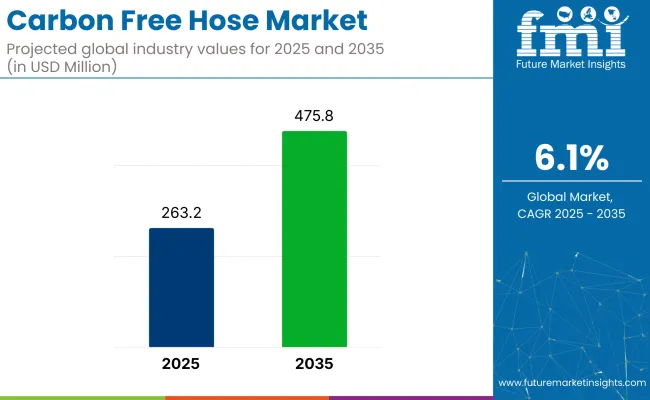
According to Future Market Insights (FMI), the global carbon free hose market is positioned for steady expansion as industrial operators increasingly prioritize reliable material transfer and high-temperature performance across furnace, heating, and other demanding industrial systems. The market is expected to grow from USD 263.2 million in 2025 to USD 475.8 million by...
The Photopolymerization Process 3D Printing Market solutions landscape encompasses a diverse array of printers, materials, software, and implementation strategies designed to enable high-precision, customized digital manufacturing for applications ranging from prototyping to end-use production. The Photopolymerization Process 3D Printing Market Solution ecosystem...

Acoustic vehicle alerting systems are designed to emit audible warning sounds from electric and hybrid vehicles operating at low speeds, enhancing pedestrian awareness and safety. Growing electric vehicle adoption, mandatory AVAS regulations across major automotive markets, and advancements in automotive sound engineering are supporting market growth worldwide. According to Business Market...
Pharmacological Classes for IBS-C, IBS-D, and Mixed Subtypes Managing IBS in French clinical practice requires tailored therapeutic options that address specific primary symptoms—predominant constipation (IBS-C), predominant diarrhea (IBS-D), or alternating bowel habits (IBS-M). Treatment selection depends heavily on disease severity, previous treatment response, and French National...
