

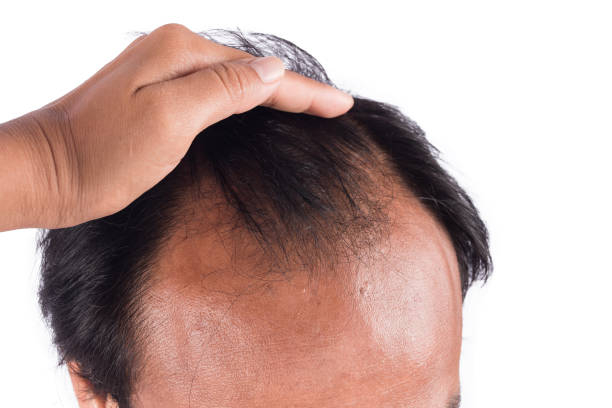

Hair thinning, excessive shedding, and reduced hair density are common concerns that can affect a person's confidence and daily life. Many people look for non-surgical options that may help improve hair thickness and support scalp health. Platelet-Rich Plasma (PRP) therapy is one approach that uses components of a person's own blood to support hair restoration. Understanding the benefits of PRP Hair Treatment in Riyadh can help individuals explore how this procedure works, who may benefit from it, and what results they can realistically expect.
PRP therapy has gained attention because it uses platelet-rich plasma rather than surgically transplanting hair follicles. The procedure involves collecting a small blood sample, separating the platelets through specialised processing, and injecting the prepared plasma into selected areas of the scalp. People considering PRP Hair Treatment in Riyadh often want to know whether it can reduce hair shedding, improve hair density, and encourage healthier-looking growth. Although research suggests potential benefits for certain types of hair loss, outcomes vary depending on the cause of thinning and the individual's response.
What Is PRP Hair Treatment?
PRP hair treatment is a minimally invasive procedure designed to support hair restoration by using platelets obtained from the patient's blood. Platelets release growth factors that participate in tissue repair and cellular communication. Researchers are studying how these growth factors may influence the environment around hair follicles and support hair growth.
During treatment, a healthcare professional collects a small blood sample and places it in a centrifuge to separate its components. The platelet-rich portion is then prepared for injection into areas experiencing thinning. PRP does not create new hair follicles, and it is not suitable for every cause of hair loss. A medical assessment helps determine whether it is an appropriate option.
What Are the Main Benefits of PRP Hair Treatment?
May Help Improve Hair Density
One potential benefit of PRP therapy is an improvement in hair density for some people experiencing pattern hair loss. By supporting the activity of existing follicles, treatment may help hair appear fuller over time. However, results depend on the condition of the follicles and the individual's response. People with advanced hair loss may experience limited improvement.
May Support Thicker-Looking Hair
Hair thinning can cause individual strands to become finer, making the scalp more visible. PRP may help improve hair thickness in some patients, particularly when follicles remain active. Changes usually develop gradually, so patients should understand that noticeable results may take several months and are not guaranteed.
May Reduce Hair Shedding
Some individuals experience reduced shedding after completing a recommended course of PRP sessions. The treatment may support follicle function in certain cases, but it does not address every underlying cause of hair loss. Hormonal changes, nutritional deficiencies, thyroid disorders, medications, and scalp conditions may require separate investigation and treatment.
Offers a Non-Surgical Approach
PRP is an option for people who want to explore hair restoration without undergoing a hair transplant. It involves injections rather than surgical incisions or the relocation of hair follicles. Although it is less invasive than surgery, temporary tenderness, redness, swelling, or bruising can occur. Treatment should always be performed by a qualified healthcare professional using appropriate sterile techniques.
Uses Components From the Patient's Own Blood
PRP is prepared from the patient's own blood, which reduces concerns associated with introducing donor-derived blood components. However, using a person's own blood does not eliminate every risk. Infection, injection-related complications, and other adverse reactions remain possible, making proper preparation and medical supervision essential.
How Does PRP Support Hair Growth?
The Role of Platelets
Platelets contain growth factors that help regulate processes involved in tissue repair. In hair restoration, these substances may influence cells around hair follicles and the local scalp environment. Researchers are investigating how these effects contribute to hair growth and follicle activity.
Supporting Existing Hair Follicles
PRP may be more helpful when hair follicles are still present but producing thinner strands. It cannot reliably restore hair in areas where follicles have been permanently destroyed. A professional examination can help identify the type and stage of hair loss before treatment begins.
Who May Benefit From PRP Hair Treatment?
PRP may be considered for adults experiencing certain types of hair thinning, particularly androgenetic alopecia, also known as pattern hair loss. Suitability depends on the individual's diagnosis, medical history, scalp health, and treatment expectations.
People experiencing sudden or unexplained hair loss should seek medical assessment before starting PRP. Conditions such as iron deficiency, thyroid problems, or inflammatory scalp disorders may require specific treatment. Individuals with certain blood or platelet disorders, active scalp infections, or other relevant medical conditions may need additional evaluation before considering injections.
How Long Does It Take to Notice the Benefits?
PRP results develop gradually because hair follicles follow a natural growth cycle. Some people may begin noticing changes after several months, while others experience limited improvement. Treatment plans often involve an initial series of sessions followed by reassessment and, where appropriate, maintenance treatments.
The number and frequency of sessions depend on the clinician's recommendations and the patient's response. Photographs and regular assessments can help monitor changes in hair density and thickness. Maintaining realistic expectations is important because PRP cannot guarantee complete hair regrowth or permanent prevention of hair loss.
Can PRP Be Combined With Other Hair Treatments?
Depending on the diagnosis, a healthcare professional may recommend PRP alongside established treatments such as topical minoxidil or other medically appropriate therapies. Combining treatments may provide additional benefits for some individuals, but the plan should be personalised according to the cause of hair loss and the person's health.
Patients should not start or stop prescribed hair-loss medications without professional guidance. A clinician can explain potential benefits, possible side effects, and suitable alternatives based on individual needs.
Book an Appointment at Royal Clinic Saudia
If you are experiencing hair thinning or reduced hair density, a professional consultation can help you understand your options. Contact Royal Clinic Saudia to discuss your hair restoration goals, learn whether PRP may be suitable for your condition, and receive personalised guidance about treatment expectations and aftercare.
FAQs:
What is the main benefit of PRP hair treatment?
One potential benefit is improved hair density or thickness in some people with certain types of hair loss. Results vary, and treatment does not guarantee hair regrowth.
Can PRP hair treatment help reduce hair fall?
PRP may help reduce shedding in some individuals, particularly those with pattern hair loss. However, the underlying cause of hair loss should be identified to determine the most appropriate treatment.
Is PRP hair treatment safe?
PRP is generally considered well tolerated when performed by a qualified healthcare professional using appropriate preparation and sterile techniques. Temporary tenderness, swelling, redness, and bruising may occur, and individual medical risks should be assessed beforehand.
How many PRP sessions are needed for hair growth?
The number of sessions varies according to the patient's condition, treatment response, and clinical protocol. Several initial sessions may be recommended, followed by reassessment and possible maintenance treatments.

