

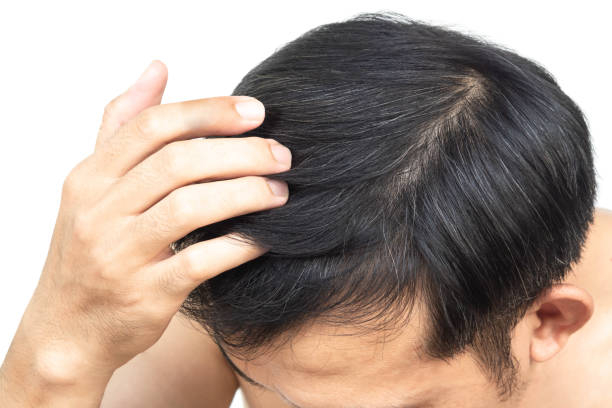

Hair loss is a common concern that can affect people of all ages and may influence confidence and everyday well-being. It can develop gradually, appear suddenly, or occur in patches depending on its underlying cause. Hormonal changes, genetics, nutritional deficiencies, stress, medical conditions, and certain medications can all contribute to thinning hair. Choosing the right hair loss treatment starts with understanding why the hair is falling out and identifying options that suit an individual's needs. With an appropriate assessment and a personalized treatment plan, many people can manage hair loss, support healthier hair growth, or prevent further thinning.
Understanding the Common Causes of Hair Loss
Hair loss does not have one universal cause, so identifying the contributing factors is an important first step. Androgenetic alopecia, commonly known as hereditary or pattern hair loss, is one of the most frequent causes in both men and women. In men, it often appears as a receding hairline or thinning at the crown. Women may notice a widening part or reduced hair density across the top of the scalp.
Other causes include telogen effluvium, a temporary increase in shedding that may follow significant stress, illness, childbirth, surgery, or rapid weight changes. Thyroid disorders, iron deficiency, certain autoimmune conditions, scalp infections, and inflammatory scalp disorders may also affect hair growth. A healthcare professional can help determine whether further examination or blood tests are necessary before treatment begins.
Medical Treatments for Hair Loss
Minoxidil
Minoxidil is a widely used topical medication for certain types of hair loss, particularly hereditary pattern hair loss. It may help slow thinning and support hair growth when used consistently according to product instructions and medical advice. Results generally take several months to become noticeable, and continued use is usually necessary to maintain the benefits.
Possible side effects include scalp irritation, dryness, and unwanted hair growth in nearby areas. Some people may experience increased shedding when starting treatment. The appropriate formulation and use should be discussed with a healthcare professional, especially during pregnancy or breastfeeding.
Prescription Medications
Certain prescription medicines may help treat pattern hair loss. Finasteride is commonly prescribed for eligible men with androgenetic alopecia, while other medications may be considered for selected patients depending on their medical history and circumstances. These medicines have potential side effects and are not suitable for everyone.
Women experiencing hair thinning should receive an individualized assessment before using prescription treatments. Medication choices depend on the cause of hair loss, age, pregnancy potential, existing conditions, and other medicines being taken.
Platelet-Rich Plasma Therapy for Hair Thinning
Platelet-rich plasma (PRP) therapy involves collecting a small blood sample, processing it to concentrate platelets, and injecting the prepared material into selected areas of the scalp. Platelets contain growth factors that researchers are investigating for their potential role in supporting hair follicles.
PRP may help improve hair density in some people with certain forms of nonscarring hair loss, but results vary, and treatment protocols are not standardized. Multiple sessions may be recommended, sometimes followed by maintenance treatments. It is important to understand that PRP does not guarantee regrowth and may not be appropriate for advanced hair loss or every scalp condition.
People considering Hair Loss Treatment in Riyadh can discuss whether PRP is suitable with a qualified clinician who can explain the evidence, expected outcomes, possible side effects, and alternative approaches.
Hair Transplant Surgery
Hair transplantation may be an option for people with stable pattern hair loss who have sufficient healthy donor hair. During the procedure, hair follicles are taken from a donor area, usually the back or sides of the scalp, and transplanted into areas affected by thinning.
Two commonly used approaches are follicular unit transplantation (FUT), which involves removing a strip of scalp, and follicular unit extraction (FUE), which removes individual follicular units. The most appropriate method depends on factors such as donor hair density, scalp characteristics, the extent of hair loss, and personal preferences.
Transplanted hair typically grows gradually over several months, and final results can take around a year or longer to develop. A transplant does not stop ongoing hair loss in untreated areas, so some patients may need additional medical management. A qualified surgeon should assess suitability, discuss scarring and other risks, and provide realistic expectations.
Lifestyle Changes and Nutritional Support
Nutrition and general health can influence the hair growth cycle. Insufficient iron, protein, zinc, or other essential nutrients may contribute to hair shedding when a genuine deficiency is present. A balanced diet containing adequate protein, vegetables, fruits, whole grains, and healthy fats supports overall health.
However, supplements do not reliably treat hair loss when a deficiency is absent, and excessive intake of certain nutrients may actually contribute to hair problems. Testing and professional guidance can help identify deficiencies before supplements are started.
Managing stress, getting adequate sleep, avoiding crash diets, and treating underlying health conditions may also help address some causes of excessive shedding. Gentle hair care practices, including limiting excessive heat styling, tight hairstyles, and harsh chemical treatments, can reduce breakage but do not reverse hereditary hair loss on their own.
Hair Loss Treatment Options for Women
Women may experience hair thinning during menopause, after pregnancy, following significant stress, or because of hereditary and medical factors. Treatment should be based on the specific cause rather than gender alone. A clinician may recommend topical minoxidil, correction of nutritional deficiencies, management of an underlying condition, or selected prescription treatments where appropriate.
Hair loss accompanied by irregular menstrual cycles, significant acne, excess facial hair, or other hormonal symptoms may warrant further assessment. Sudden patchy hair loss, scalp pain, redness, or scaling also requires medical evaluation because inflammatory or autoimmune conditions may need specific treatment.
Hair Loss Treatment Options for Men
Men commonly experience a receding hairline or thinning at the crown due to hereditary pattern hair loss. Treatment may include topical minoxidil, prescription medication when appropriate, PRP in selected cases, or hair transplantation for suitable candidates.
Starting treatment early may help preserve existing hair, although no approach works equally well for everyone. Men should discuss possible medication side effects and the long-term commitment involved before beginning treatment. Sudden shedding or patchy bald spots should not automatically be attributed to genetics, as other conditions may be responsible.
How to Choose the Right Treatment
The best approach depends on the cause, pattern, severity, medical history, and personal goals. Before starting Hair Loss Treatment in Riyadh, consider these steps:
-
Arrange a professional scalp and hair assessment to identify likely causes.
-
Discuss medications, recent illnesses, stress, diet changes, and family history.
-
Ask whether blood tests or additional investigations are appropriate.
-
Compare expected benefits, limitations, side effects, and maintenance requirements.
-
Allow sufficient time to assess progress, as hair growth changes gradually.
Avoid products that promise instant regrowth or guaranteed results. A qualified healthcare professional can explain which treatments are supported by evidence and which may have limited or uncertain benefits.
Conclusion
Hair loss can affect men and women differently, but effective management begins with identifying the underlying cause. Options may include topical or prescription medications, PRP therapy, hair transplantation, and treatment of nutritional or medical issues. Some forms of hair loss are reversible, while hereditary hair thinning often requires ongoing management. Early assessment can help people make informed decisions and establish realistic expectations.
For personalized guidance on Hair Loss Treatment in Riyadh, contact Royal Clinic Saudia to arrange a consultation. A professional assessment can help you explore suitable treatment options based on your hair concerns, medical history, and individual goals.

