

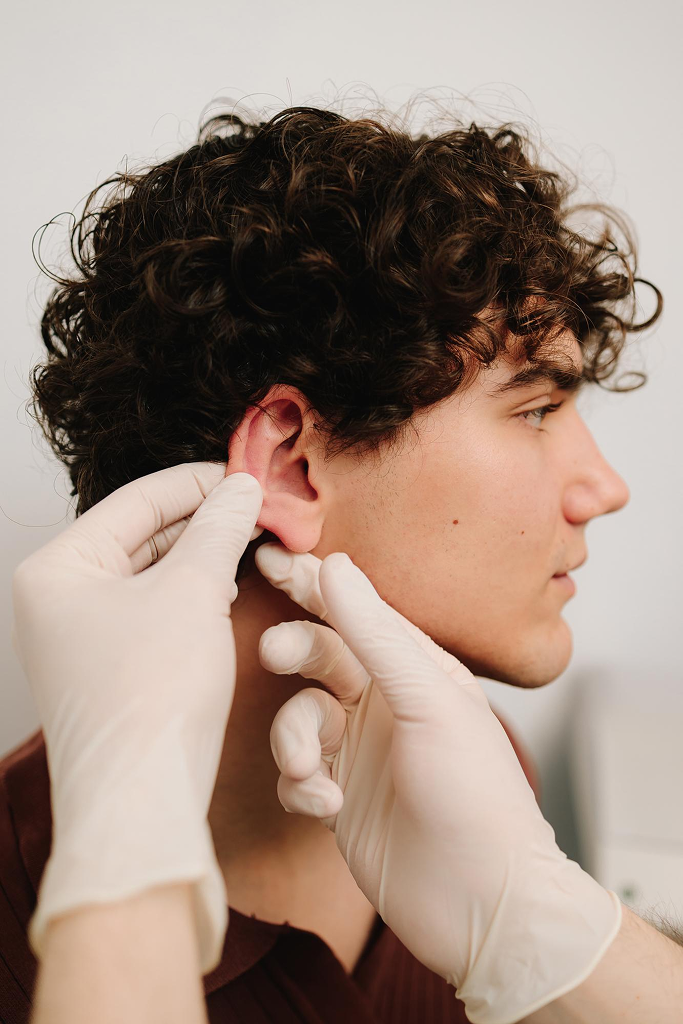

Ear reshaping surgery, also known as otoplasty, is a procedure designed to change the shape, position, or proportion of the ears. It is commonly performed to address prominent ears, noticeable asymmetry, or certain structural concerns. When performed by a qualified surgeon on an appropriately assessed patient, otoplasty is generally considered a safe procedure, but it carries potential risks like any surgery. People considering Ear Reshaping in Dubai should understand how safety considerations differ between adults and children and why a thorough consultation is important.
Safety of Ear Reshaping Surgery in Adults
Ear reshaping surgery can be a suitable option for adults who want to improve the appearance of their ears and are in appropriate general health. Before recommending treatment, the surgeon reviews the patient's medical history, medications, allergies, and any conditions that could affect healing. The procedure may involve reshaping cartilage or adjusting the ears closer to the head, depending on the desired outcome. Following pre-operative instructions and attending follow-up appointments can help manage risks and support recovery.
Safety of Ear Reshaping Surgery in Children
Otoplasty may be considered for children once the ears have developed sufficiently, often around five to six years of age. At this stage, the ear cartilage is generally developed enough for surgical correction, although the appropriate timing depends on the individual child. The surgeon evaluates the child's health, ear structure, and readiness for the procedure. Parents or guardians should receive clear information about the benefits, risks, anaesthesia, and recovery process before deciding whether surgery is appropriate.
The Importance of Choosing a Qualified Surgeon
The surgeon's training and experience are important factors in the safety of ear reshaping surgery. A qualified professional can assess the ear's anatomy, select a suitable surgical technique, and explain the likely outcome and limitations. Proper surgical facilities and appropriate monitoring are also important, particularly when children require anaesthesia. Patients and parents should feel comfortable asking about the surgeon's experience, the procedure, possible complications, and the arrangements for post-operative care.
Common Side Effects During Recovery
After otoplasty, temporary swelling, bruising, tenderness, and discomfort around the ears may occur. Some patients may also experience temporary changes in skin sensation. These effects generally improve as healing progresses, although the recovery timeline varies by individual and surgical technique. Following instructions about wound care, sleeping positions, protective dressings, and activity restrictions can help protect the treated area during recovery.
Potential Risks and Complications of Otoplasty
Although many patients recover without serious problems, ear reshaping surgery can cause complications. These may include infection, bleeding, an adverse reaction to anaesthesia, scarring, changes in sensation, asymmetry, or an unsatisfactory cosmetic result. In some cases, further surgery may be needed. Patients should discuss their personal risk factors with the surgeon and seek medical advice promptly if they develop worsening pain, increasing redness, fever, unusual discharge, or sudden changes in the appearance of the ear.
The Role of Anaesthesia in Surgical Safety
The type of anaesthesia used for otoplasty depends on the patient's age, the complexity of the procedure, and the surgeon's assessment. Adults may undergo surgery with local anaesthesia, sometimes combined with sedation, while children may require general anaesthesia. The anaesthesia plan should be discussed before the procedure, including relevant medical history, fasting instructions, medication guidance, and recovery monitoring. For children, the surgical and anaesthesia teams should explain the process clearly to the parents or guardians.
Checkpoint: Prepare for a Safe Surgical Experience
Good preparation can help reduce avoidable risks associated with ear reshaping surgery. Patients should provide an accurate medical history, disclose all medications and supplements, follow pre-operative instructions, and arrange any support needed after the procedure. Parents should help children understand what to expect in an age-appropriate way and ensure that post-operative care can be followed. A clear discussion of expected results, possible complications, and recovery requirements helps patients make informed decisions.
Ear Reshaping Surgery at Dynamic Life Clinic
At Dynamic Life Clinic, patients can seek a consultation to discuss their ear concerns and determine whether otoplasty may be suitable. The assessment can include a review of medical history, ear structure, treatment goals, and factors that may affect surgical safety. For children, the consultation should also address developmental readiness, parental consent, anaesthesia, and aftercare. Patients and families can discuss potential benefits, limitations, risks, and recovery expectations before deciding whether to proceed.
Frequently Asked Questions
Is Ear Reshaping Surgery Generally Safe for Adults?
Otoplasty is generally considered safe for appropriately selected adults when performed by a qualified surgeon in a suitable clinical setting. However, individual risks depend on medical history, medications, and the complexity of the procedure. A pre-operative assessment helps identify factors that may require additional precautions.
At What Age Can Children Have Ear Reshaping Surgery?
Children may be considered for otoplasty once their ears have developed sufficiently, often around five to six years of age. The appropriate timing depends on the child's development, health, and readiness for surgery. A qualified surgeon can assess suitability and explain the procedure to the family.
What Are the Most Common Risks of Otoplasty?
Possible risks include swelling, bruising, infection, bleeding, scarring, changes in sensation, asymmetry, and dissatisfaction with the result. Serious complications are less common but remain possible. Patients should understand these risks and follow their surgeon's instructions before and after treatment.
Does Ear Reshaping Surgery Require General Anaesthesia?
Not always. Some adults may undergo otoplasty using local anaesthesia, while general anaesthesia may be recommended for children or certain procedures. The choice depends on the patient's age, health, treatment requirements, and clinical assessment.
How Can Patients Reduce the Risk of Complications After Otoplasty?
Patients can support recovery by following wound-care instructions, taking medication only as prescribed, protecting the ears from pressure or injury, and attending follow-up appointments. They should contact their surgeon if they notice worsening symptoms or signs of infection rather than attempting to treat complications themselves.
Conclusion
Ear reshaping surgery can be a safe and effective option for appropriately selected adults and children, but its suitability depends on individual health, ear development, and treatment goals. Understanding the potential side effects, surgical risks, anaesthesia arrangements, and recovery requirements is essential before proceeding. A professional consultation at Dynamic Life Clinic can help patients and families assess suitability, discuss safety precautions, and make an informed decision about otoplasty.

