

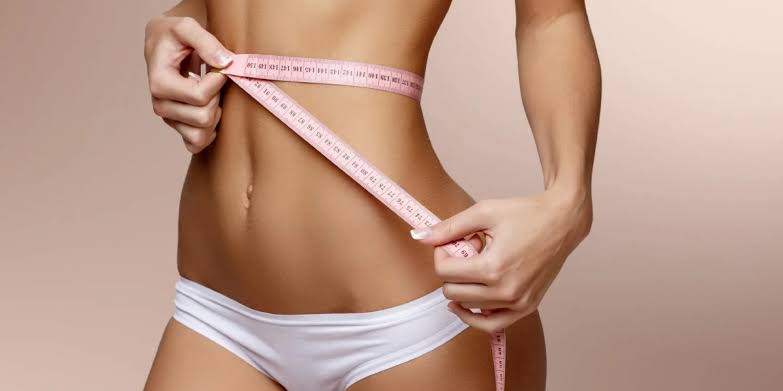

Understanding how fat behaves during a cosmetic procedure can help people make informed decisions about body contouring. Laser Liposuction dubai is a treatment option discussed by individuals who want to address localised fat deposits and improve body shape. In Dubai, Dynamic Clinic is one of the providers people may explore when researching laser-based body contouring and its underlying process.
How Does Laser Liposuction Work Beneath the Skin?
Laser liposuction uses laser energy to heat targeted fatty tissue. During the procedure, a qualified practitioner inserts a thin laser fibre beneath the skin through a small incision. The energy is delivered to selected areas, where it affects fat cells and helps loosen the surrounding fatty tissue.
Unlike treatments that rely only on external energy, laser-assisted liposuction is an invasive procedure. It generally involves removing disrupted fat through suction, depending on the technique used. The exact method varies with the device, treatment area, and individual's needs.
What Happens to Fat Cells During Treatment?
Fat cells store energy in the form of triglycerides and contribute to the body's overall fat volume. During laser liposuction, controlled heat affects the targeted fat tissue, making it easier to remove.
The process generally involves several stages:
-
Laser energy delivery: A small laser fibre directs energy into the selected fatty layer beneath the skin.
-
Fat tissue heating: The energy heats the tissue and disrupts the structure of targeted fat cells.
-
Fat removal: In conventional laser-assisted liposuction, a suction cannula removes the treated fat from the body.
-
Tissue response: The surrounding tissues begin their natural healing process after the procedure.
The amount of fat removed depends on the treatment plan, the area being addressed, and the practitioner's clinical assessment.
Does the Body Absorb the Fat or Remove It?
The fate of treated fat depends on the specific laser procedure. With laser-assisted liposuction, the objective is generally to loosen and remove targeted fat through suction rather than rely entirely on the body's natural absorption.
Some cellular debris and tissue fluids may be processed by the body during healing. However, this is different from the removal of fat through suction.
It is also important to distinguish laser-assisted liposuction from non-invasive laser treatments. Certain external laser devices are designed to affect fat tissue without inserting a fibre or removing fat surgically. Their mechanisms and expected outcomes differ, so the term laser liposuction should be clarified during a consultation.
How Can Laser Liposuction Affect Skin Tightness?
Laser energy produces heat in the tissues surrounding the targeted fat. This thermal effect may stimulate collagen remodelling, which can contribute to changes in skin firmness over time.
Collagen is a structural protein that helps support the skin. Its production and organisation can change as the body responds to controlled thermal exposure and heals after treatment.
Several factors influence the degree of skin tightening, including:
-
Existing skin elasticity
-
The amount of localised fat being treated
-
The treatment area and technique
-
Age and individual healing responses
-
Changes in weight before and after the procedure
Laser liposuction does not guarantee tight skin. People with significant skin laxity may need an assessment to determine whether another approach is more suitable.
Which Areas Can Be Treated With Laser Liposuction?
Laser-assisted liposuction may be considered for localised fat deposits in areas such as the abdomen, flanks, thighs, upper arms, and beneath the chin. Suitability depends on the distribution of fat, skin quality, general health, and the intended contouring goals.
The procedure is generally intended for body shaping rather than overall weight loss. It does not treat obesity or replace healthy eating, physical activity, or medically guided weight management.
A clinical assessment helps establish whether the fat is suitable for removal and whether the expected contour changes are realistic for the individual's anatomy.
What Happens to the Body After Fat Removal?
Following laser liposuction, the body begins a healing process that may include swelling, bruising, tenderness, and temporary changes in sensation. These effects vary between individuals and depend on the size of the treated area and the technique used.
Initial swelling can make the treated area appear different from its eventual shape. As healing progresses, the tissues settle and the contour becomes easier to assess. The timing varies, and results should not be judged solely by the appearance of the area during the early recovery period.
Following the practitioner's aftercare instructions is important. These may include guidance on compression garments, activity restrictions, wound care, and follow-up appointments.
Can Removed Fat Return After Laser Liposuction?
Fat cells removed through liposuction do not simply grow back in the same way. However, the remaining fat cells can still enlarge if a person gains weight. Fat may also accumulate in untreated areas, which can change the body's overall proportions.
Maintaining a stable weight through balanced nutrition and regular physical activity can help preserve body contours. Natural ageing and hormonal changes may also affect body composition over time.
Who Should Consider Laser Liposuction?
Laser-assisted liposuction may suit adults with persistent, localised fat deposits who are close to a stable weight and understand the procedure's limitations. A qualified medical professional should review medical history, medications, skin condition, and possible risks before treatment.
Potential risks include infection, burns, uneven contours, fluid accumulation, scarring, and changes in skin sensation. The level of risk depends on the technique, the treatment area, and individual health factors.
Conclusion
Laser liposuction uses controlled laser energy to affect targeted fatty tissue, which is generally loosened and removed through suction. Heat may also influence collagen remodelling and skin firmness, although the extent of tightening varies. Understanding the difference between invasive laser-assisted liposuction and non-invasive laser treatments helps people in Dubai evaluate their options and discuss suitable approaches with a qualified practitioner.

