

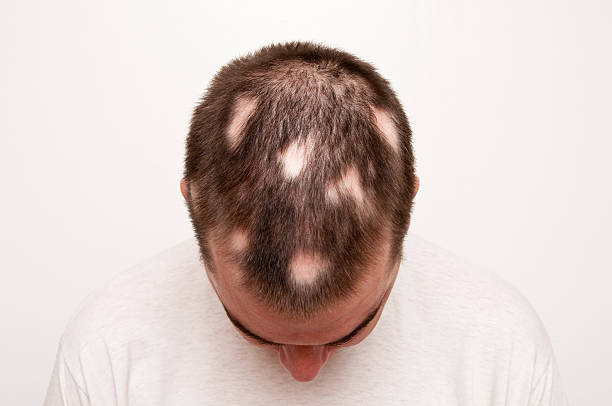

Hair loss can affect a person's appearance, confidence, and emotional well-being, especially when it develops suddenly or creates noticeable bald patches. One possible cause is alopecia areata, an autoimmune condition that affects hair follicles and can lead to hair loss on the scalp and other parts of the body. Unlike some forms of hereditary hair loss, alopecia areata occurs when the immune system mistakenly targets healthy hair follicles. Understanding the symptoms, possible causes, and available treatment options can help individuals make informed decisions about their hair health. Exploring alopecia hair treatment can also help patients understand the importance of professional assessment, an accurate diagnosis, and a personalised management plan.
What Is Alopecia Areata?
Alopecia areata is an autoimmune condition in which the immune system mistakenly attacks hair follicles, disrupting normal hair growth. It commonly causes one or more round or oval patches of hair loss on the scalp, although it can also affect the eyebrows, eyelashes, beard, and other areas of the body.
The condition does not usually destroy hair follicles permanently, meaning hair regrowth is possible in many cases. However, the course of the condition varies. Some people experience a single patch that regrows, while others develop repeated episodes or more extensive hair loss.
Alopecia areata is not contagious and is not caused by poor hygiene. It can affect people of any age, sex, or ethnic background, including individuals who previously had thick, healthy hair.
What Causes Alopecia Areata?
The exact cause of alopecia areata is not fully understood, but immune system activity plays a central role. Genetics and other biological factors may also influence a person's susceptibility.
The Role of the Immune System
Hair follicles normally move through different stages of growth, transition, and rest. In alopecia areata, immune cells mistakenly target structures associated with the hair follicles, interrupting the normal growth cycle and causing affected hairs to fall out.
Because the follicles generally remain intact, hair may regrow when the condition becomes less active. However, the immune response can return, leading to new patches or recurring hair loss.
Genetics and Family History
Genetic factors may increase the likelihood of developing alopecia areata. People with a family history of the condition or certain autoimmune disorders may have a higher susceptibility.
However, family history does not mean that someone will inevitably develop alopecia areata. Many individuals with the condition have no known relatives who experience similar hair loss.
Stress and Other Possible Triggers
Some people notice hair loss after a period of significant physical or emotional stress, illness, or other changes in health. However, stress is not considered the sole cause of alopecia areata, and the condition can develop without an identifiable trigger.
Patients should avoid blaming themselves for their hair loss. A healthcare professional can assess the symptoms, review relevant medical history, and determine whether further investigation is needed.
Common Symptoms of Alopecia Areata
Symptoms vary according to the extent of hair loss and the areas affected. Hair loss may develop suddenly or progress over time.
Round or Oval Bald Patches
One of the most recognisable signs is a smooth, round or oval patch without visible hair. The surrounding scalp may appear relatively normal, without prominent scaling or scarring.
Patches can occur in one area or several locations across the scalp. Some people first notice the condition while washing their hair, styling it, or observing a change in their hairline.
Eyebrow, Eyelash, and Body Hair Loss
Alopecia areata can affect hair beyond the scalp. Some individuals experience thinning or loss of eyebrows, eyelashes, beard hair, or body hair. More extensive involvement may require a broader assessment and treatment plan.
Nail Changes
Some people develop nail changes, such as small dents, roughness, brittleness, or changes in nail texture. These symptoms do not occur in everyone, but they may accompany alopecia areata.
Different Types of Alopecia Areata
Alopecia areata can appear in different forms depending on the pattern and extent of hair loss.
Patchy Alopecia Areata
This is the most common form and involves one or more patches of hair loss. Hair may regrow spontaneously, although additional patches can develop.
Alopecia Totalis
Alopecia totalis refers to the loss of all or nearly all scalp hair. This more extensive form may require specialist assessment and ongoing management.
Alopecia Universalis
Alopecia universalis involves the loss of hair across the scalp and most or all of the body. It is less common than patchy alopecia areata and can be more challenging to manage.
The course of each type varies, and the extent of hair loss alone cannot reliably predict how an individual will respond to treatment.
How Is Alopecia Areata Diagnosed?
A healthcare professional typically diagnoses alopecia areata by examining the scalp and reviewing the patient's medical history. The clinician may ask when the hair loss started, whether it has progressed, and whether there is a family history of similar symptoms or autoimmune conditions.
Scalp Examination
The practitioner may inspect the affected areas for smooth bald patches, short broken hairs, and other characteristic features. A dermatoscope may be used to examine the scalp more closely.
Additional Tests When Needed
Blood tests are not necessary for every patient. Depending on symptoms and medical history, a clinician may recommend selected tests to investigate possible contributing conditions, such as thyroid disorders or nutritional deficiencies.
Other conditions, including fungal scalp infections, traction alopecia, and certain scarring hair disorders, can resemble alopecia areata. Accurate diagnosis is important because treatment varies depending on the cause.
Treatment Options for Alopecia Areata
The most appropriate treatment depends on the patient's age, extent of hair loss, duration of symptoms, medical history, and treatment preferences. No single option works for everyone, and regrowth cannot be guaranteed.
Corticosteroid Treatments
Corticosteroids may be recommended to reduce immune-related inflammation associated with alopecia areata. Depending on the case, treatment may involve topical preparations, injections into selected bald patches, or other medically supervised approaches.
Intralesional corticosteroid injections are sometimes used for limited patchy hair loss in suitable patients. Possible side effects include temporary discomfort and thinning of the skin at the injection site. A clinician should explain the potential benefits and risks before treatment.
Prescription Medicines for More Extensive Hair Loss
For some people with severe or persistent alopecia areata, a dermatologist may consider additional prescription treatments. Certain Janus kinase (JAK) inhibitors are approved for specific forms of severe alopecia areata in some countries and for eligible patients.
These medicines require medical supervision because they can cause significant side effects and may require laboratory monitoring. Suitability depends on factors such as age, medical history, disease severity, and local approvals.
Supportive Hair and Scalp Care
Gentle hair care can help minimise unnecessary breakage and protect the scalp, although shampoos, oils, and supplements do not cure the autoimmune process underlying alopecia areata.
Use products suited to your scalp, avoid hairstyles that pull tightly on the hair, and consult a healthcare professional before starting supplements. Supplements are generally most useful when a deficiency has been identified.
Can Hair Grow Back After Alopecia Areata?
Yes, hair can regrow in many people with alopecia areata, sometimes without treatment. However, the timing and extent of regrowth vary. New hair may initially appear fine or lighter in colour before gradually changing.
Some individuals experience complete regrowth, while others have repeated episodes or persistent hair loss. More extensive disease may have a less predictable course. Even after successful regrowth, the condition can recur, so follow-up care may be helpful.
People considering Alopecia Areata Treatment in Riyadh should discuss realistic expectations with a qualified healthcare professional. The treatment plan should be based on the individual's diagnosis rather than promises of guaranteed or permanent hair restoration.
When Should You Seek Professional Advice?
Consult a healthcare professional if you notice sudden bald patches, unexplained eyebrow or eyelash loss, rapidly progressing hair loss, or changes that concern you. Early assessment can help distinguish alopecia areata from other hair and scalp conditions and identify appropriate treatment options.
Avoid starting prescription medicines or relying on unverified hair-growth products before the cause of hair loss is established. Treatments intended for hereditary hair thinning may not address the autoimmune process associated with alopecia areata.
Get Professional Guidance for Your Hair Health
Alopecia areata is an autoimmune condition that can cause patchy or extensive hair loss, but regrowth may be possible depending on the individual case. Understanding the symptoms, obtaining an accurate diagnosis, and exploring appropriate treatment options can help patients manage the condition more confidently. For personalised guidance about Alopecia Areata Treatment in Riyadh, contact Royal Clinic Saudia to arrange a consultation and discuss your hair loss concerns, suitable care options, and a management plan tailored to your needs.

