

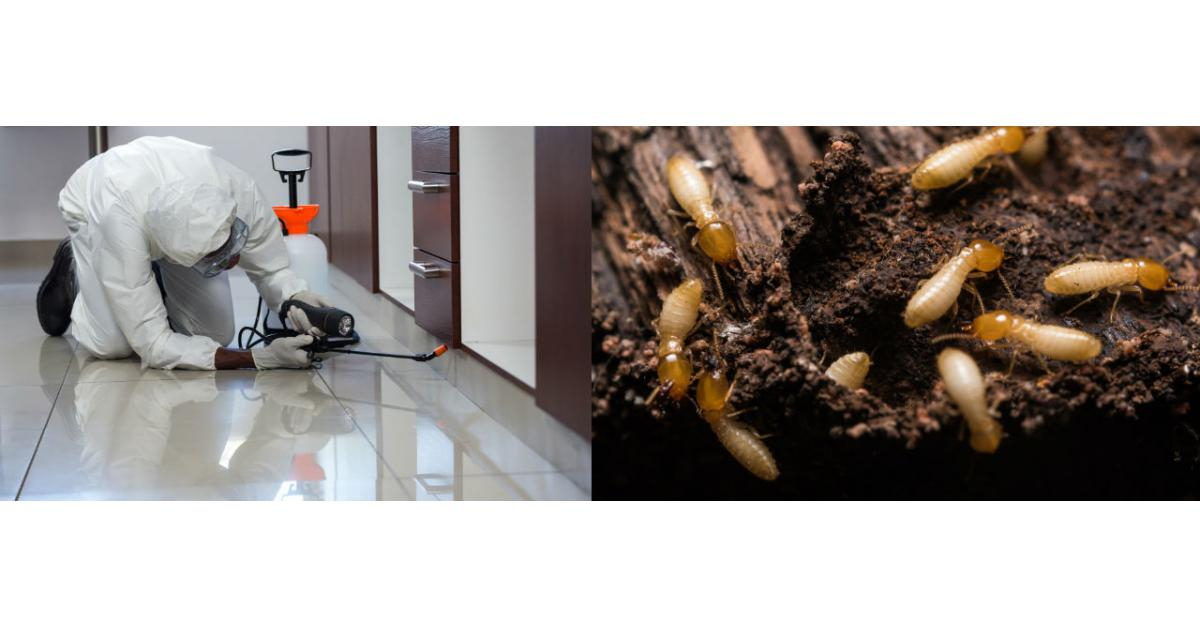

Termites can cause extensive damage to residential and commercial properties when an infestation goes unnoticed. These small insects feed on cellulose found in wood and other plant-based materials, which makes wooden floors, doorframes, furniture, and structural supports potential targets. Because termites often remain hidden inside walls, beneath flooring, or underground, their activity may continue long before visible damage appears. Professional termite control helps identify infestations, protect vulnerable structures, and reduce the risk of costly repairs through appropriate treatment and preventive measures.
Why Termite Infestations Require Early Attention
Termites work continuously to find food and maintain their colonies. Unlike pests that are easy to spot moving across open surfaces, termites often remain concealed while feeding inside wood or traveling through protected tunnels. This behavior makes early detection particularly important for homeowners and property managers.
As an infestation progresses, affected wood may become weak, hollow, or damaged. Doors and windows can become difficult to operate when surrounding materials deteriorate, while structural timber may lose strength in severe cases. Repairing extensive damage can be expensive and disruptive. Arranging an inspection when warning signs appear allows property owners to understand the extent of the problem and choose a suitable treatment before the damage becomes more serious.
Common Types of Termites Found in Buildings
Different termite species behave differently, so identifying the type involved helps determine the appropriate treatment method. Subterranean termites usually live in soil and may enter buildings through foundations, cracks, and gaps around utility lines. They often build mud tubes that protect them from dry conditions as they travel between their colony and a food source.
Drywood termites can establish colonies inside suitable timber without maintaining a connection to the soil. They may affect furniture, roof timbers, wooden doors, and other dry wood materials. Dampwood termites generally prefer wood with substantial moisture and may be associated with persistent leaks or decaying timber. Each type presents different inspection and treatment challenges, making professional identification valuable when the source of an infestation is unclear.
Warning Signs of Termite Activity
Recognizing termite evidence early can help prevent further damage. Mud tubes along foundation walls, wooden supports, or other surfaces may indicate subterranean termite activity. These narrow tunnels provide a protected route between the colony and its food source. Their presence should be investigated even when the surrounding wood appears undamaged.
Other signs include hollow-sounding timber, blistered paint, damaged wood surfaces, and discarded wings near windows or entry points. Drywood termites may leave small piles of pellet-like droppings beneath infested timber. However, some signs can resemble damage caused by moisture or other insects, so they should not be treated as definitive proof without further assessment. A professional inspection can help identify the cause and determine which areas need attention.
How Professional Termite Control Works
Effective termite control in Bonita begins with a detailed inspection of the property. A technician examines accessible wooden structures, foundations, crawl spaces, basements, and locations where moisture or previous termite activity has been reported. The assessment helps establish where the insects are active, how they may be entering, and which parts of the building are vulnerable.
After the inspection, the provider recommends a treatment plan based on the termite species and the extent of the infestation. Options may include soil treatments, baiting systems, localized applications, or specialized wood treatments. Some properties require a combination of methods to address active termites and reduce future risk. The technician should explain the proposed approach, preparation requirements, safety precautions, and any follow-up inspections needed to evaluate the results.
Protecting Wooden Structures and Furniture
Wooden materials are common targets for termites because they contain cellulose, which these insects use as a food source. Floors, cabinets, doorframes, roof supports, window frames, and outdoor timber structures may be vulnerable when conditions allow termites to reach them. Furniture can also become affected, particularly when an infestation is established inside the wood.
Property owners should inspect wooden surfaces periodically for unusual changes, including soft spots, bubbling paint, small holes, or areas that sound hollow when tapped. These signs do not always indicate termites, but they deserve attention when combined with other evidence. Keeping timber away from direct soil contact where practical and addressing moisture problems can reduce some risks. Professional assessment is especially important when damage appears to involve load-bearing or other structural components.
Residential and Commercial Termite Protection
Homes, apartments, offices, warehouses, and retail buildings can all experience termite problems. Residential properties may contain vulnerable timber in flooring, roof structures, cabinets, and built-in furniture. Commercial buildings may have additional risks associated with extensive wooden interiors, storage areas, landscaping, and hard-to-access structural spaces.
A suitable treatment plan should reflect the building's construction, surrounding environment, and history of termite activity. Homeowners may benefit from periodic inspections and timely repairs, while commercial property managers may need a documented prevention schedule. In both settings, early reporting and professional assessment can help prevent an isolated problem from spreading. Regular monitoring also provides useful information about changing risks and the effectiveness of previous treatment.
Preventing Future Termite Infestations
Prevention focuses on reducing the conditions that allow termites to enter buildings and access suitable food sources. Moisture management is especially important because leaks, poor drainage, and damp timber can create favorable conditions for certain termite species. Repair leaking pipes, keep gutters clear, and direct water away from foundations where possible.
Avoid storing untreated timber, cardboard, or firewood directly against the building for long periods. Where appropriate, maintain separation between soil and wooden building components, and seal suitable gaps around utility penetrations. Do not cover foundation areas with soil or landscaping materials in ways that prevent inspection. These measures cannot guarantee complete protection, but they can reduce vulnerability when combined with professional assessment and appropriate monitoring.
Choosing a Reliable Termite Treatment Provider
Selecting an experienced provider is important because termite infestations may extend beyond the areas where damage is visible. Look for a company that performs a thorough inspection, explains its findings clearly, and recommends treatment suited to the identified termite species. Depending on local requirements, check whether the provider has the necessary licenses or professional qualifications.
Before approving the service, ask which treatment method will be used, what areas it covers, and whether follow-up inspections are included. Request a written estimate that explains the expected work, safety requirements, and any warranty conditions. A reliable technician should discuss the limitations of the treatment and identify repairs that may be needed separately. Avoid choosing a provider solely because of a low price or promises of permanent protection without a proper inspection.
Understanding the Cost of Termite Control
The cost of treatment depends on several factors, including property size, termite species, infestation severity, accessibility, and the treatment method required. A localized infestation in one piece of furniture may need a different approach from a subterranean colony affecting a building's foundation. Additional inspections, specialized equipment, and follow-up visits can also influence the overall price.
When requesting an estimate, explain the signs you have noticed and provide information about previous termite problems or treatments. Ask whether the quote includes inspection, treatment, monitoring, and any follow-up services. It is also helpful to clarify whether structural repairs are included or arranged separately. Comparing detailed estimates can help you understand the value of each service and avoid unexpected costs later.
Keep Your Property Protected With Termite Control
Termites can remain hidden for long periods while damaging wooden materials and other vulnerable parts of a building. Recognizing warning signs, managing moisture, maintaining foundations, and arranging inspections are practical steps toward reducing the risk. When an infestation is confirmed, selecting a suitable treatment method is essential for addressing the problem effectively.
Professional termite control offers a structured way to identify termite activity, treat affected areas, and establish preventive measures for the future. Whether you own a family home, manage rental properties, or maintain a commercial facility, early action can help limit damage and protect your investment. By combining expert treatment with regular inspections and responsible property maintenance, you can reduce termite risks and maintain a stronger, better-protected building.

