

Physical Therapy Advantage: Improving Everyday Comfort and Mobility With Custom Orthotics Near Me

Comfortable movement begins with the way the body supports itself during everyday activities. Walking, standing at work, exercising, shopping, and completing household responsibilities all place demands on the feet and lower limbs. When foot discomfort or a lack of support makes these activities difficult, even a normal day can feel more tiring than expected.
Physical Therapy Advantage recognizes that every person's movement needs and physical goals are different. Custom orthotics may be one option for people who need additional foot support as part of an individualized care plan. For those searching for Custom Orthotics near me, understanding how these devices work, when they may be useful, and how they fit into a broader approach to movement can help guide informed decisions.
Understanding What Custom Orthotics Are
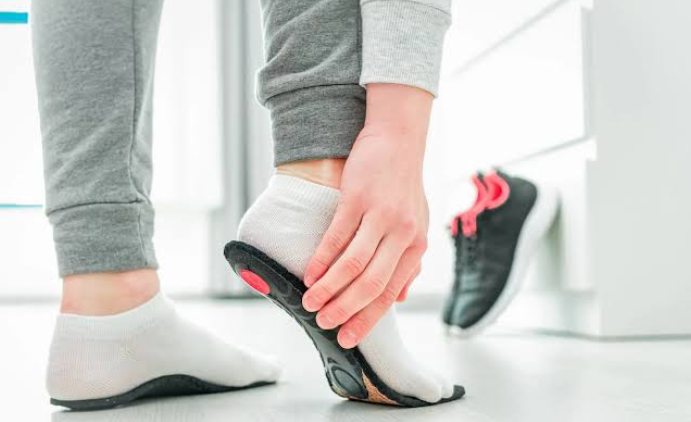
Custom orthotics are supportive devices designed around an individual's assessed needs. Foot orthotics are commonly made to fit inside shoes and may help redistribute pressure, provide support, or influence how the feet function during standing and walking.
Unlike standard shoe inserts made in general sizes, custom devices are developed with the person's specific concerns and physical characteristics in mind. The design depends on factors such as foot structure, symptoms, activity level, footwear, and the purpose of the device.
Some orthotics focus on cushioning and reducing pressure on sensitive areas. Others provide firmer support or are designed to assist with particular movement challenges. The right choice depends on the individual's assessment rather than simply choosing the most rigid or expensive insert.
Custom orthotics are not necessary for everyone who experiences foot discomfort. Some people may benefit from footwear changes, exercise, or non-custom inserts, while others may require a more individualized solution. A qualified professional can help determine which approach is appropriate.
Recognizing When Foot Support May Be Helpful
Foot discomfort can affect much more than the feet themselves. When standing or walking becomes uncomfortable, people may shorten their walks, avoid exercise, or change the way they complete everyday tasks.
Some individuals notice soreness around the heel or arch after spending long periods on their feet. Others experience discomfort during running, difficulty tolerating certain shoes, or fatigue after walking longer distances. Foot problems may also affect balance and confidence when moving across different surfaces.
These symptoms can have several causes, including changes in activity, footwear that does not fit well, injury, or an underlying medical condition. The presence of foot pain alone does not automatically mean custom orthotics are needed.
An appropriate assessment helps identify the nature of the problem and whether additional support may be useful. It can also help determine whether another type of treatment or medical evaluation is necessary.
For people exploring Custom Orthotics near me, a helpful first step is to consider when symptoms occur, which activities make them worse, and how they affect daily life. Sharing these details with a qualified professional can help guide the next steps.
How Custom Orthotics May Support Everyday Movement
The feet play an important role in supporting body weight and adapting to different surfaces during movement. Foot orthotics may help manage pressure distribution and provide support in selected cases, making certain activities more comfortable.
Depending on the individual's needs, potential goals may include:
-
Improving comfort during standing or walking.
-
Reducing pressure on particular areas of the foot.
-
Providing additional support inside suitable footwear.
-
Helping manage symptoms associated with certain foot conditions.
-
Supporting participation in daily activities or exercise.
These are possible goals, not guaranteed results. The effectiveness of orthotics depends on the reason they are being used, how well they fit, and whether they are appropriate for the person's condition.
Orthotics may also be only one part of a treatment plan. Some individuals benefit from combining appropriate footwear with exercises, activity adjustments, or other interventions recommended by a healthcare professional.
The goal is not simply to change the way the foot looks. It is to find a practical approach that supports comfortable function and the activities a person wants to continue.
The Importance of an Individualized Assessment
Choosing an orthotic device without understanding the cause of discomfort may not address the actual problem. A proper assessment helps determine whether custom support is appropriate and what features the device may need.
A professional may ask about the history of symptoms, previous injuries, work demands, exercise habits, footwear, and any relevant medical conditions. The assessment may also include examining the feet and ankles, observing standing posture, and evaluating walking patterns or other functional movements.
Depending on the situation, the professional may recommend custom orthotics, ready-made inserts, footwear modifications, exercises, or a combination of approaches. Measurements, scans, or moulds may be used when custom devices are indicated.
This process matters because two people with similar symptoms may need different solutions. One person may need cushioning around a sensitive area, while another may need a different type of support or treatment that does not involve orthotics.
Physical Therapy Advantage encourages people to discuss their movement concerns with a qualified professional and understand the reasoning behind any recommended care. An individualized approach can help keep treatment focused on practical goals rather than relying on a one-size-fits-all solution.
Connecting Foot Support With Strength and Mobility
Foot support is only one part of how the body moves. Strength, joint mobility, balance, coordination, footwear, and activity habits can all influence how comfortable walking and standing feel.
For some people, exercises may be recommended alongside orthotics to address strength or movement limitations. These might include suitable foot and ankle exercises, calf strengthening, balance activities, or gradual practice of everyday movements. The right exercises depend on the individual's condition and should be selected by an appropriately qualified professional.
For example, a person who feels unsteady while walking may need an assessment of balance and lower-limb strength rather than relying on shoe inserts alone. Someone returning to exercise after an injury may need a gradual increase in activity as well as appropriate footwear.
Custom orthotics do not replace rehabilitation when strength, coordination, or mobility problems also need attention. Combining suitable support with an appropriate exercise plan may help address more than one factor affecting function.
If symptoms continue despite using orthotics, the treatment approach should be reviewed rather than assuming that a different insert will automatically solve the problem.
Choosing Footwear That Works With Orthotics
Even a carefully designed orthotic needs to work with the shoes in which it will be worn. Shoes that are too narrow, too shallow, worn out, or unsuitable for the intended activity may affect comfort and how well the device fits.
When considering Custom Orthotics near me, ask which types of footwear are suitable for the recommended device. Some orthotics require additional depth or a removable insole to create enough room. The heel should feel secure, and the toes should not be squeezed by the shoe or the insert.
It is also important to consider how the shoes will be used. Footwear for long periods of standing may have different requirements from shoes used for recreational exercise or particular work duties.
Avoid forcing an orthotic into footwear that does not accommodate it properly. Poor fit may cause rubbing, pressure, or new discomfort. A professional can help assess whether adjustments or different shoes are needed.
Comfort should be monitored after fitting. If the device slips, causes persistent pressure, or changes the way you walk in an uncomfortable manner, seek advice rather than trying to modify the device yourself.
Getting Used to New Custom Orthotics
A new orthotic may feel different from a familiar shoe insert. Depending on the device and the person's needs, a gradual adjustment period may be recommended.
Follow the wear schedule provided by the professional who fits the orthotics. Do not assume that wearing them all day immediately is best. The appropriate introduction period can vary according to the design, the condition being managed, and individual tolerance.
Pay attention to how your feet feel during and after use. Mild awareness of a new device may occur, but persistent pain, increasing discomfort, skin irritation, blisters, or new symptoms should not be ignored.
Check the skin of your feet regularly, especially if you have reduced sensation or a medical condition that affects circulation or wound healing. People with diabetes or other high-risk foot conditions should seek specific professional guidance before using new devices.
If the orthotics do not feel right, arrange a review. Adjustments may be needed, or the original recommendation may need to be reconsidered. Proper fitting and follow-up are important parts of using custom support safely.
Finding the Right Provider for Custom Orthotics Near Me
Searching online is a useful starting point, but choosing a provider involves more than finding a convenient appointment. Look for a qualified professional who assesses your needs, explains available options, and helps you understand how the recommended device is expected to support your goals.
Consider asking questions such as:
-
What may be causing my foot discomfort or movement difficulty?
-
Are custom orthotics necessary, or could another option be suitable?
-
How will the device be assessed and fitted?
-
What footwear should I use with it?
-
How should I introduce the device into my routine?
-
When should I return for a review or adjustment?
It is also sensible to clarify appointment costs, insurance coverage, expected timelines, and whether a referral is required.
A trustworthy provider should explain both the potential benefits and the limitations of orthotics. Be cautious of promises that a device will eliminate every type of pain or permanently correct all movement problems.
Physical Therapy Advantage recognizes the importance of understanding individual movement goals when exploring care options. Contact the practice directly to confirm its current services and whether an assessment for your particular concern is available.
Maintaining Progress Through Everyday Habits
Orthotics may support comfort, but daily habits remain important. Depending on your condition, a healthcare professional may recommend increasing activity gradually, choosing suitable footwear, and following a personalized exercise program.
Try to avoid sudden increases in walking distance, running time, or hours spent standing if these changes tend to aggravate your symptoms. Allow time for recovery when needed and follow the guidance you receive about activity levels.
Keep track of practical changes. Notice whether you can stand for longer, walk more comfortably, or complete everyday responsibilities with less difficulty. These observations can help you and your provider determine whether the device is meeting its intended purpose.
If symptoms persist or worsen, do not assume that you simply need to get used to the orthotics. A reassessment may help identify whether the fit, design, activity plan, or original diagnosis needs attention.
Seek prompt medical advice for a significant foot injury, severe swelling, or an inability to bear weight. A new wound, particularly in someone with diabetes or reduced foot sensation, should receive timely professional assessment.
Conclusion
Foot discomfort can make walking, working, exercising, and managing daily responsibilities more challenging. Custom orthotics may provide additional support or help redistribute pressure for some people, but the right solution depends on the cause of the symptoms and the individual's movement needs.
For those searching for Custom Orthotics near me, the best starting point is a suitable assessment, clear information about available options, and a device that fits both the person and their footwear when custom support is recommended. Follow-up and attention to comfort are important parts of the process.
Physical Therapy Advantage recognizes that meaningful progress begins with understanding individual needs and setting realistic goals. With appropriate professional guidance, suitable footwear, and a care plan tailored to everyday activities, people can work toward improved comfort, mobility, and confidence in their movement.

