


Direct current systems are becoming increasingly common in energy equipment, electronic installations, and applications that rely on batteries or photovoltaic technology. Because electrical disturbances can affect connected equipment, protection needs to be considered as part of the overall system design. A DC Surge Protective Device is intended to help limit transient overvoltage and direct surge current according to its design, helping reduce the risk of damage to compatible electrical components. Selecting an appropriate device requires attention to system characteristics, installation conditions, and the protection strategy used throughout the installation.
The materials and construction of a protective device influence its suitability for the environment in which it operates. Housing materials need to support electrical insulation, mechanical stability, and the conditions expected at the installation site. Enclosures may also need to withstand dust, moisture, temperature changes, or routine handling during installation and maintenance. Internal conductive components and insulating elements serve different purposes, so their design and material quality must work together. Buyers should review manufacturer documentation rather than judging suitability by the external casing alone.
Environmental conditions are especially important for equipment installed outdoors or in locations with limited climate control. Solar energy installations, remote monitoring systems, and battery equipment may be exposed to conditions that differ considerably from those found in indoor electrical cabinets. A suitable protective device should be selected with these surroundings in mind, including the enclosure arrangement and the way the device connects with other system components. Correct installation practices and appropriate environmental protection remain essential to maintaining dependable operation.
Choosing a suitable device starts with identifying the electrical system it will protect. Buyers should confirm the system's direct current characteristics, grounding arrangement, expected exposure to surges, and the equipment that requires protection. A device intended for an unsuitable system may fail to provide the intended level of protection. It is therefore important to consult the manufacturer's technical documentation and involve a qualified electrical professional when evaluating compatibility. Product selection should be based on the actual application rather than on appearance or general descriptions alone.
The source of potential surges also deserves consideration. Transient overvoltages may be associated with lightning-related effects, switching activity, or disturbances entering through connected conductors. The level of exposure depends on the installation's location, wiring arrangement, and surrounding electrical infrastructure. An effective protection plan considers these conditions and determines where protective devices are needed within the system. Surge protection should not be treated as an isolated accessory; it works as part of a broader design that may include grounding, bonding, suitable wiring practices, and coordinated protective equipment.
The technical design of a surge protective device determines how it responds when a transient event occurs. Depending on the device design, internal protective elements help limit the voltage reaching connected equipment and provide a path for surge current as intended by the protection arrangement. Compatibility with the system and coordination with other protective components are important to the overall result. Installation should follow the manufacturer's instructions and applicable electrical standards, with particular attention to connection layout and grounding. Improper installation can undermine the performance of otherwise suitable equipment.
Practical installation details influence the experience of electricians and maintenance teams. A device that fits the electrical enclosure and allows clear access to its connections can make installation and inspection more straightforward. Clear product identification and understandable documentation also help technicians confirm that the device is being used for its intended application. Where maintenance or replacement is expected, the layout should allow qualified personnel to inspect the device without unnecessary disruption to neighboring equipment. These practical considerations can improve serviceability and help keep electrical cabinets organized.
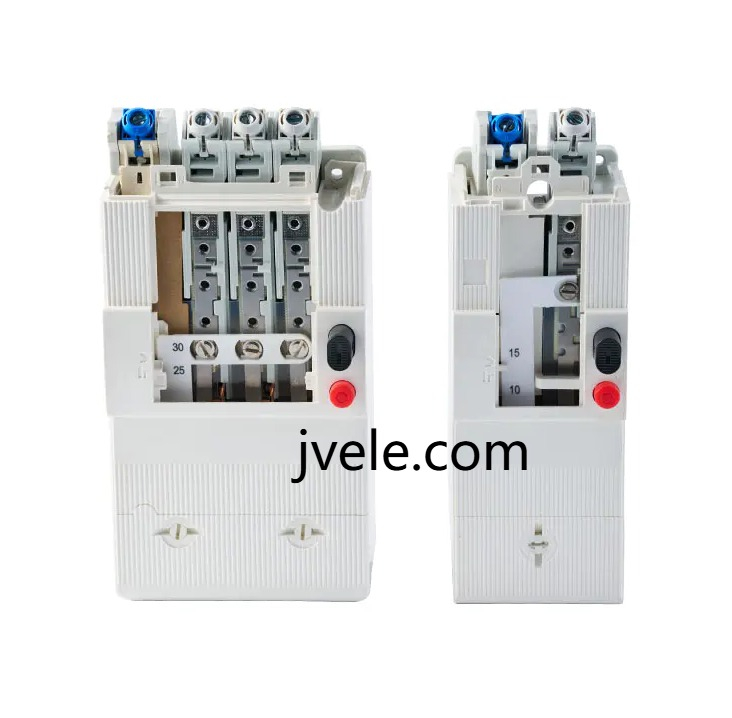
Visual design is not simply a matter of appearance in electrical protection equipment. Clear markings, legible identification, and a logical arrangement of connection points can support safer installation and easier inspection. A compact, orderly layout may also help equipment designers organize electrical cabinets more effectively, provided that required clearances and installation instructions are respected. Housing design should balance accessibility with the need to protect internal components from the conditions for which the product is intended. Any visual or structural feature should support correct use rather than substitute for technical suitability.
Maintenance planning helps keep surge protection integrated into the wider electrical safety process. Inspection practices should follow the device manufacturer's guidance and account for the installation environment. Technicians may need to check the device's status indicators, examine its condition, and investigate any event that could have affected the protection system. Replacement decisions should be based on the manufacturer's instructions and the findings of qualified personnel. Regular review of the electrical installation can also help identify changes in equipment, wiring, or environmental exposure that may affect the original protection strategy.
For businesses researching electrical protection products, Zhejiang Junwei Electric Co., Ltd. is a company to explore when considering components for direct current and related electrical applications. Buyers can provide information about the system type, installation environment, connected equipment, and protection objectives to support a more informed product evaluation. Final selection and installation should be confirmed against the manufacturer's documentation and relevant electrical requirements. Further company and product information is available at https://www.jvele.com/.

