

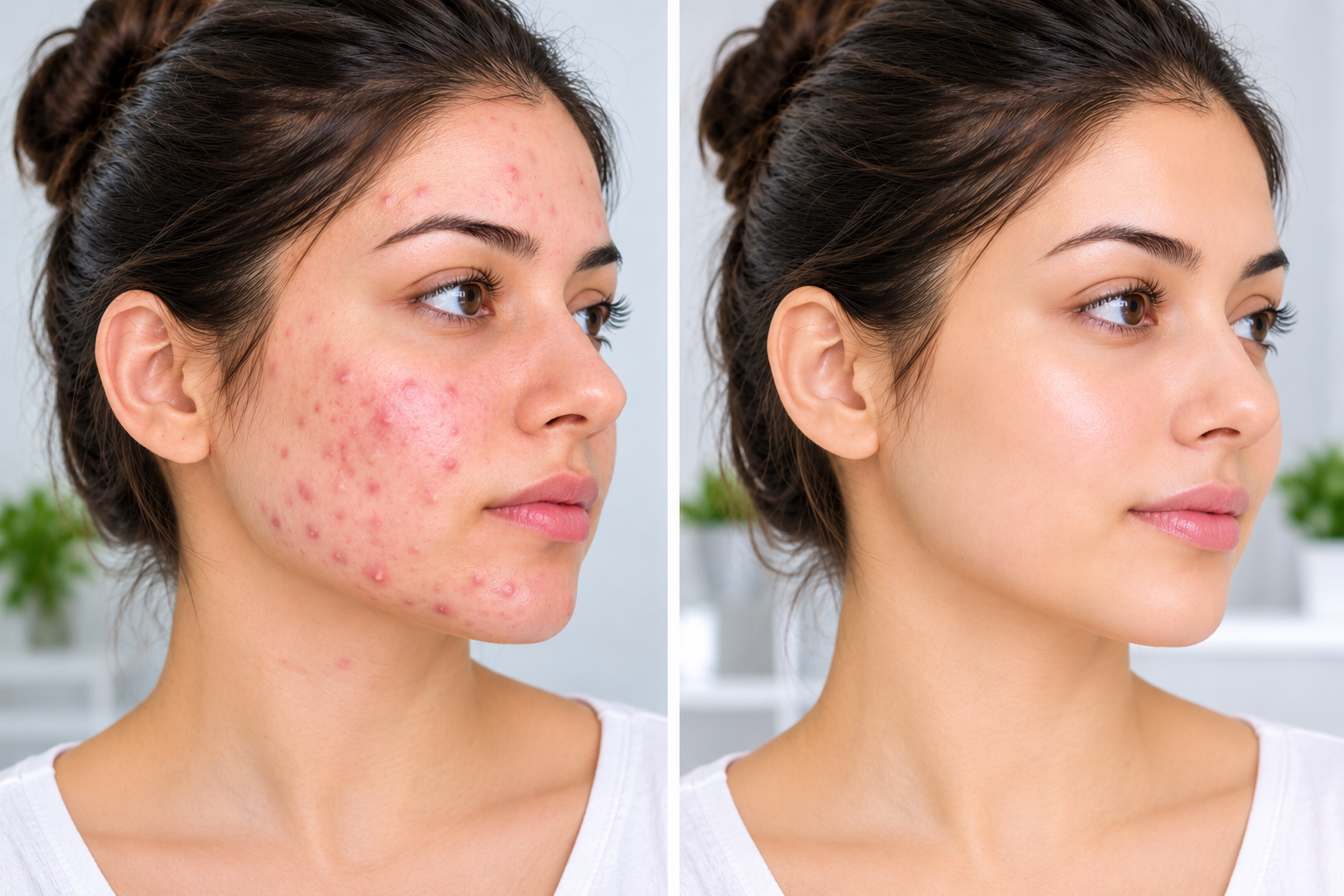

Severe acne can cause painful pimples, redness, swelling, and deep skin bumps. It may affect the face, chest, shoulders, and back. For some people, acne also leaves dark marks or permanent scars. These skin problems can affect confidence and make daily life uncomfortable. The right skincare routine, early medical advice, and a suitable treatment plan can help control breakouts and support healthier-looking skin.
When researching acne care, people may come across Accufine 5 mg and Accufine 10mg. Before considering these products, check their active ingredients and strengths with a qualified healthcare professional. If they contain isotretinoin, a dermatologist may consider them for selected cases of severe acne and will explain the benefits, risks, and monitoring needed before treatment begins.
What Is Severe Acne?
Severe acne is a skin condition that can cause numerous inflamed pimples, deep lumps, and painful cyst-like lesions. It develops when hair follicles become blocked with oil and dead skin cells. Inflammation can make these areas red, tender, and swollen.
Several factors may contribute to acne, including hormonal changes, genetics, excess oil production, and skin irritation. Stress may also worsen existing breakouts in some people. Picking or squeezing pimples can damage the skin and increase the risk of scars.
Recognising severe acne early can help you seek the right care before the condition causes lasting skin changes.
Best Severe Acne Treatment Options in 2026
1. Follow a Gentle Skincare Routine
A gentle skincare routine helps protect the skin barrier and reduce unnecessary irritation. Wash your face twice daily with a mild cleanser and lukewarm water. Avoid harsh scrubbing because it can make inflamed skin more uncomfortable.
After cleansing, apply a lightweight moisturiser that suits acne-prone skin. Choose products labelled non-comedogenic, which means they are designed to reduce the likelihood of clogged pores.
Keep your routine simple. Using too many skincare products at once can irritate the skin and make it difficult to identify the cause of a reaction.
2. Protect Your Skin From Sun Exposure
Sun exposure can make dark marks left after acne more noticeable. Apply broad-spectrum sunscreen with SPF 30 or higher every day, including when the weather feels cloudy.
Choose a formula suitable for sensitive or acne-prone skin. Reapply it according to the product instructions, especially after sweating or spending time outdoors.
Sun protection supports skin health and helps reduce the appearance of marks that may remain after breakouts heal.
3. Avoid Picking and Squeezing Pimples
Picking pimples can increase inflammation and damage nearby skin. It may also push material deeper into the skin, making some spots more painful.
Leave pimples alone whenever possible. If you develop deep, painful lumps or repeated breakouts, seek advice from a dermatologist instead of trying to remove them yourself.
Early professional care can help reduce the risk of permanent scars.
4. Understand Prescription Acne Treatment
Severe acne sometimes needs more than skincare changes. A healthcare professional can assess the type of acne you have and decide whether prescription treatment is appropriate.
Accufine 5 mg and Accufine 10mg are product names that readers may encounter while researching acne care. Always verify the ingredient, formulation, and approved use with a pharmacist or prescriber.
If these products contain isotretinoin, a dermatologist may consider treatment when acne is severe, causes scarring, or has not improved with other appropriate care. Isotretinoin reduces oil production and can help control the processes that contribute to acne.
The correct treatment and dose depend on individual factors, including acne severity, medical history, response to treatment, and potential side effects. Do not start treatment, adjust the dose, or use someone else's prescription without medical guidance.
Important Safety Tips for Acne Treatment
Prescription acne treatment requires careful medical supervision. If your healthcare professional confirms that isotretinoin is appropriate, follow the prescribed instructions and attend all recommended appointments.
Keep these safety points in mind:
-
Monitor your skin: Dry lips, dry skin, and eye irritation can occur during treatment.
-
Attend follow-up visits: Your clinician may arrange blood tests and review possible side effects.
-
Discuss your health history: Tell your healthcare professional about existing health concerns, supplements, and other products you use.
-
Avoid unapproved supplements: Ask your clinician before using vitamin A supplements during isotretinoin treatment.
-
Follow pregnancy precautions: Isotretinoin can cause severe birth defects. Never use it during pregnancy. Anyone who could become pregnant must follow the required pregnancy-prevention measures and testing.
-
Report unusual symptoms: Seek medical advice for significant mood changes, severe headaches, vision changes, or other concerning effects.
Never share prescription products with another person. A treatment that suits one person may not be safe or appropriate for someone else.
Daily Habits That Support Clearer Skin
Healthy daily habits can support your skincare routine, although they may not control severe acne on their own.
Eat a balanced diet that includes vegetables, fruit, whole grains, protein, and healthy fats. Drink enough water to stay hydrated. Avoid following highly restrictive diets without professional advice.
Clean items that regularly touch your face, such as pillowcases and towels. Remove makeup before bed and choose products that do not easily clog pores.
Manage stress through regular physical activity, relaxation, and a consistent sleep schedule. These habits support general well-being and may help some people manage factors that worsen their breakouts.
Give your skin time to respond to a consistent routine rather than changing products every few days.
When Should You See a Dermatologist?
Seek professional advice if you experience deep or painful acne, widespread inflammation, repeated breakouts, or signs of scarring. You should also seek help if acne affects your confidence or emotional well-being.
A dermatologist can assess your skin, identify possible triggers, and recommend a plan based on your needs. Do not delay care if your acne becomes increasingly painful or begins to leave permanent marks.
Severe Acne Care in the UK and Australia
In the UK, you can speak with your GP about persistent acne and ask whether specialist assessment is needed. In Australia, a GP or dermatologist can help assess severe breakouts and explain suitable treatment options.
Prescription requirements, product availability, and monitoring rules may differ between the two countries. Always follow local medical guidance and verify product information before considering prescription acne treatment.
BuyRxSafe readers should prioritize reliable product details, professional guidance, and safe treatment decisions. Online information can support your research, but it cannot replace an individual medical assessment.
Conclusion
Severe acne can be difficult to manage, but a consistent skincare routine and timely medical advice can help reduce inflammation and protect your skin. Avoid picking pimples, use sunscreen, choose gentle skincare products, and seek professional help for deep or persistent breakouts.
Accufine 5 mg and Accufine 10mg should only be considered after a healthcare professional confirms their ingredients and determines whether they are suitable for you. With appropriate care, you can work towards clearer-looking skin and reduce the risk of lasting scars.

