


Introduction
Tooth loss becomes more common with age and can affect chewing, speech, facial appearance, and overall quality of life. For older adults, missing teeth may make it difficult to enjoy favourite foods or maintain a balanced diet. Fortunately, modern dentistry offers several tooth-replacement options, including dental implants, bridges, and dentures.
Dental implants can be a suitable tooth-replacement option for many seniors, depending on their oral health, medical history, jawbone condition, and ability to maintain good oral hygiene. Age alone does not automatically prevent someone from receiving implant treatment.
For people considering a Dental Implant in Islamabad, understanding the benefits, safety considerations, treatment options, and recovery requirements can help them make an informed decision.
This guide explains how dental implants work for older adults and what seniors should discuss with their dentist before starting treatment.
What Are Dental Implants?
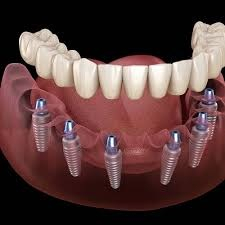
Dental implants are small posts, usually made from titanium, that are surgically placed into the jawbone to support replacement teeth. They function as artificial tooth roots and can provide stable support for crowns, bridges, or full-arch restorations.
A dental implant restoration generally consists of three components:
-
Implant fixture: The post placed in the jawbone.
-
Abutment: The connector between the implant and the replacement tooth.
-
Crown or prosthesis: The visible replacement tooth or set of teeth.
Dental implants may replace one missing tooth, several teeth, or an entire arch of teeth. The most appropriate design depends on the patient's needs, bone condition, and treatment goals.
Can Seniors Get Dental Implants?
Yes. Many older adults can receive dental implants successfully. There is no universal upper age limit for implant treatment. Instead, dentists evaluate the patient's overall health, gum condition, jawbone quality, and ability to recover after surgery.
Seniors may be suitable candidates if they:
-
Have one or more missing teeth.
-
Have healthy gums or can receive treatment for gum disease.
-
Have enough jawbone to support an implant, or can undergo suitable bone grafting.
-
Can maintain daily oral hygiene.
-
Have medical conditions that are adequately controlled.
-
Understand the treatment timeline and follow-up requirements.
Older adults with diabetes, osteoporosis, or other medical conditions may still qualify, but their health status and medications need careful assessment. Smoking can also increase the risk of healing complications.
A dental examination and appropriate imaging help determine whether implant treatment is suitable for an individual patient.
Benefits of Dental Implants for Seniors
Dental implants can improve comfort, function, and confidence when used in an appropriate treatment plan.
1. Better Chewing Ability
Missing teeth and loose dentures can make chewing difficult. Implant-supported teeth are designed to remain stable during everyday activities, helping many patients eat more comfortably once healing is complete.
Seniors should still follow their dentist's advice about food choices during recovery and avoid placing excessive pressure on a newly placed implant.
2. Improved Speech and Comfort
Removable dentures that move during speaking may cause discomfort or affect pronunciation. Implant-supported restorations can offer greater stability, which may improve comfort and confidence.
3. Support for Jawbone Health
After tooth loss, the jawbone may gradually shrink because it no longer receives normal stimulation from the missing tooth root. Dental implants transfer functional forces to the surrounding bone and can help limit bone loss in the implant area.
However, implants do not prevent every form of bone loss, and the surrounding tissues still require proper care.
4. Natural-Looking Smile
Dental implant crowns and bridges are designed to resemble natural teeth. When properly planned, they can restore the appearance of a smile and help patients feel more comfortable in social situations.
5. A Fixed Tooth-Replacement Option
Unlike conventional removable dentures, implant-supported teeth can remain fixed in place. Some implant restorations are removable by a dentist for maintenance, so the design should be discussed before treatment.
6. Long-Term Function
Dental implants can provide long-term service when they integrate successfully with the jawbone and are maintained properly. The implant fixture and the attached crown have different maintenance requirements, and the crown may eventually need repair or replacement.
Are Dental Implants Safe for Older Adults?
Dental implants are an established treatment, but no surgical procedure is completely risk-free. For seniors, safety depends on medical history, medications, oral health, and the complexity of the planned procedure.
Before recommending a Dental Implant in Islamabad, a dentist should assess factors that could affect healing and long-term success.
Important Safety Considerations
-
Diabetes: Poorly controlled blood sugar can interfere with healing and increase the risk of infection.
-
Osteoporosis: This condition does not automatically rule out implants, but bone quality and treatment history should be evaluated.
-
Blood-thinning medication: Some medicines can affect bleeding. Patients should never stop prescribed medication without advice from the prescribing clinician.
-
Previous radiation therapy: Treatment involving the jaw area may affect healing and requires specialist assessment.
-
Smoking: Tobacco use can impair healing and increase the risk of implant complications.
-
Gum disease: Active gum disease should generally be treated before implant placement.
Potential complications include infection, delayed healing, nerve injury, sinus-related problems in selected upper-jaw cases, and failure of the implant to integrate with the bone.
A personalised treatment plan, careful surgical technique, and regular maintenance can help reduce avoidable risks.
Dental Implant Treatment Options for Seniors
Different implant treatments are available depending on how many teeth are missing and the condition of the jawbone.
1. Single-Tooth Dental Implant
A single implant supports a crown that replaces one missing tooth. It may be appropriate when neighbouring teeth are healthy and the jawbone can support the implant.
2. Multiple Dental Implants
When several teeth are missing, multiple implants can support individual crowns or an implant-supported bridge. The number of implants required depends on the location of the gaps and the design of the restoration.
3. Implant-Supported Dentures
Implant-supported dentures attach to implants for improved stability. Some designs can be removed by the patient for cleaning, while others are fixed and require professional removal for maintenance.
This option may benefit seniors who struggle with loose conventional dentures.
4. Full-Arch Dental Implants
Full-arch treatment replaces most or all teeth in the upper or lower jaw using a restoration supported by strategically placed implants.
Not every patient qualifies for immediate fixed teeth. Bone quality, bite forces, medical history, and implant stability influence whether temporary teeth can be fitted immediately or whether a healing period is necessary.
5. Bone Grafting Before Implant Placement
Some seniors have experienced significant jawbone loss after years of missing teeth or denture use. Bone grafting may help create sufficient support for an implant when clinically appropriate.
This additional procedure can increase treatment time, cost, and recovery requirements.
What Is the Dental Implant Procedure Like?
The treatment process usually involves several stages.
Step 1: Consultation and assessment
The dentist reviews medical history, medications, gum health, and treatment goals. X-rays or a CBCT scan may be used to assess the jawbone and nearby anatomical structures.
Step 2: Personalised treatment planning
The dentist determines the type and number of implants needed. Existing gum disease, damaged teeth, or bone deficiencies may need to be addressed first.
Step 3: Implant placement
The implant is placed into the jawbone under appropriate anaesthesia. The procedure and recovery plan depend on the number of implants and the patient's condition.
Step 4: Healing period
The implant gradually bonds with the jawbone through a process called osseointegration. This commonly takes several months, although healing times vary.
Step 5: Placement of replacement teeth
After the implant is sufficiently stable, the dentist attaches the planned crown, bridge, or denture.
Recovery and Aftercare for Seniors
Following the dentist's instructions is essential for healing and maintaining implant health.
Seniors should:
-
Eat soft foods during the initial recovery period.
-
Take prescribed medication according to professional instructions.
-
Avoid smoking during healing.
-
Brush gently around the surgical area as directed.
-
Clean around implants and under bridges or dentures using suitable tools.
-
Attend follow-up appointments.
-
Contact the dentist if pain or swelling worsens, fever develops, or the implant or restoration feels loose.
Daily oral hygiene and professional maintenance remain important even when an implant feels comfortable. Seniors with arthritis or reduced hand mobility may benefit from an electric toothbrush, floss holders, or other adaptive cleaning tools.
Dental Implants vs. Dentures for Seniors
Both options can replace missing teeth, but they differ in stability, cost, and maintenance.
| Feature | Dental Implants | Conventional Dentures |
|---|---|---|
| Stability | Fixed or implant-retained | May move during eating or speaking |
| Surgery | Usually required | Usually not required |
| Bone support | Helps preserve bone locally | Does not prevent ongoing jawbone changes |
| Maintenance | Daily cleaning and dental reviews | Daily cleaning and periodic adjustments |
| Initial cost | Generally higher | Often lower |
The best choice depends on oral health, medical considerations, budget, dexterity, and personal preferences. Conventional dentures remain a reasonable option for many seniors, particularly when surgery is unsuitable or unwanted.
Dental Implant in Islamabad at The Dentist Master
At The Dentist Master, seniors considering a Dental Implant in Islamabad should seek an individual assessment to determine the most appropriate tooth-replacement option. A comprehensive consultation should consider gum health, jawbone condition, existing dentures, medical history, medications, and long-term oral hygiene needs.
Patients should ask about the dentist's implant experience, available treatment options, diagnostic imaging, implant and crown materials, estimated costs, healing timeline, and follow-up care. A written treatment plan can help clarify what is included in the total fee and whether additional procedures may be necessary.
The goal should be to restore comfort and function while prioritising patient safety, realistic expectations, and long-term maintenance.
Conclusion
Dental implants can be an effective tooth-replacement option for many older adults, helping improve chewing function, stability, appearance, and confidence. However, age alone does not determine whether a senior can receive dental implants. Overall health, gum condition, bone quality, medications, and aftercare all influence treatment suitability.
If you are considering a Dental Implant in Islamabad, arrange a consultation with a qualified dental professional to compare implants with dentures and bridges. Understanding the benefits, risks, costs, and recovery requirements will help you choose a solution suited to your health and lifestyle.
Frequently Asked Questions (FAQs)
1. Are dental implants safe for seniors?
Yes, many seniors can receive dental implants safely after an individual medical and dental assessment.
2. Is there an age limit for dental implants?
There is no universal upper age limit. Overall health and oral condition are more important than age alone.
3. Are dental implants better than dentures?
Implants may provide greater stability, but dentures can be more suitable for some patients.
4. How long does dental implant treatment take?
Treatment often takes several months, depending on healing and whether additional procedures are required.
5. How much does a Dental Implant in Islamabad cost?
The cost depends on the implant system, restoration type, number of teeth, and any additional procedures. A dental consultation is needed for an accurate estimate.

