

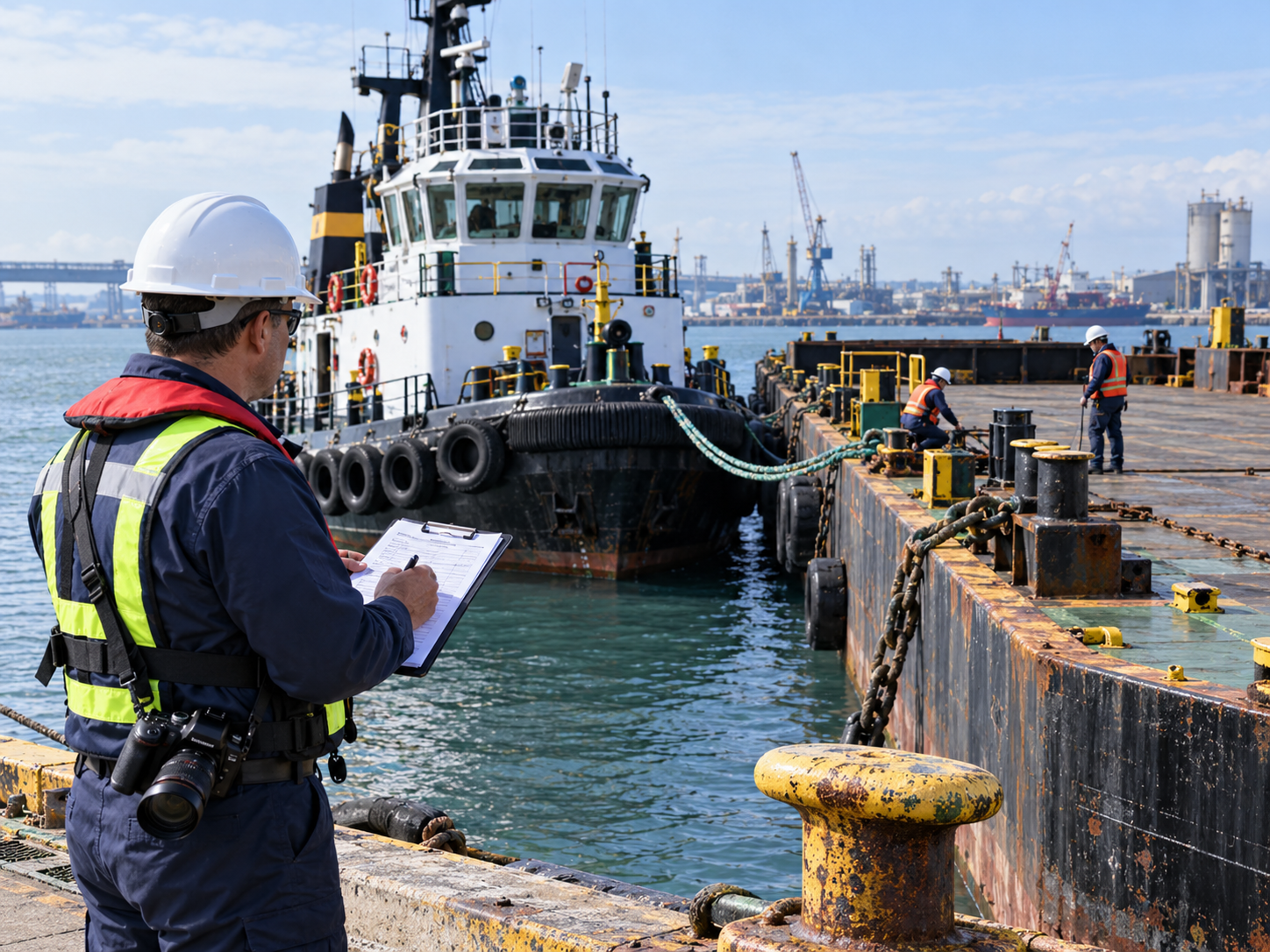

Buying a boat that needs repairs can be an opportunity to find a suitable vessel at a lower asking price, but it also requires careful planning. Cosmetic wear, outdated equipment, mechanical problems, and structural damage can vary significantly in cost and complexity. Without a clear repair plan, buyers may underestimate the total investment required to make the boat suitable for their intended use.
The key is to evaluate the boat as a complete project rather than focusing on individual defects. A worn seat may be inexpensive to replace, while a damaged hull component or unreliable propulsion system could require substantial work. Understanding which issues affect safety, structural integrity, and basic operation helps buyers decide whether the purchase makes financial sense.
Start With Safety and Structural Concerns
The first step is to identify problems that could affect the vessel’s safe operation. Before considering cosmetic improvements or optional upgrades, buyers should determine whether the boat has significant structural damage, compromised watertight integrity, serious electrical faults, or mechanical issues that could create operational risks.
A damaged hull, deteriorated through-hull fitting, leaking fuel system, or faulty steering mechanism deserves more attention than faded upholstery or scratched gelcoat. The urgency of each repair depends on the defect, its location, the vessel’s design, and how the boat will be used.
A structured set of repair priorities can help buyers separate essential work from improvements that can wait. However, the order should be based on the vessel’s actual condition rather than assumptions made from photographs or a seller’s description.
Some defects may require further investigation before a repair plan can be established. For example, visible cracking might be limited to a surface finish, or it could indicate a deeper structural concern. Qualified professionals can help determine the appropriate next steps when the cause or extent of damage is uncertain.
Evaluate the Engine and Propulsion System
Mechanical condition is another major consideration when purchasing a boat that needs work. Engine repairs can be expensive, and problems involving propulsion may affect whether the vessel can be operated reliably after purchase.
Buyers should review available service records, ask about known mechanical issues, and consider an appropriate engine evaluation. Depending on the engine and circumstances, this may include checking fluid condition, cooling systems, belts, hoses, fuel delivery, exhaust components, and evidence of leaks or overheating.
The propulsion system should also be considered as a whole. Transmission problems, damaged propellers, worn shafts, misaligned components, and steering difficulties can add costs beyond the engine itself. On some vessels, access limitations may make diagnosis or repair more complicated.
A boat that starts and runs during a brief demonstration is not necessarily free of mechanical problems. Some faults appear only under particular operating conditions or require specialist testing to identify. Buyers should avoid treating a short engine run as a complete assessment of the propulsion system.
If significant mechanical work is likely, obtain estimates from an appropriate marine mechanic before finalizing the purchase. The estimates should clarify which components need immediate attention, which repairs are preventive, and whether additional diagnostic work is required.
Separate Essential Repairs From Cosmetic Work
Once major safety, structural, and mechanical concerns have been identified, buyers can assess the remaining defects. Cosmetic problems are often easier to understand, but they can still influence the overall budget, especially when several areas need attention.
Examples include worn upholstery, damaged cabinetry, faded finishes, minor scratches, and outdated interior fittings. These issues may reduce comfort or appearance without preventing the boat from serving its intended purpose. In many cases, they can be addressed gradually after more important work has been completed.
However, appearance alone does not determine severity. Soft flooring, discolored panels, or damaged interior surfaces may sometimes indicate water intrusion or deterioration behind visible finishes. Before classifying a defect as cosmetic, buyers should consider whether it could point to a more significant underlying problem.
A useful approach is to assign every identified issue to one of three broad groups:
-
Immediate attention: Defects that affect safety, structural integrity, watertightness, or essential operation.
-
Near-term repairs: Problems that should be addressed before regular use or within a reasonable maintenance period.
-
Optional improvements: Cosmetic updates and upgrades that can be postponed without compromising the boat’s intended use.
This classification creates a practical starting point for budgeting. It should remain flexible, because further inspection or repair work may reveal additional defects.
Estimate the Full Cost of Ownership
The purchase price is only one part of the financial decision. A boat requiring substantial work may also involve haul-out charges, diagnostic fees, replacement parts, specialist labor, storage, transportation, and additional inspections.
Buyers should prepare a written estimate that accounts for the known defects and the likely cost of addressing them. Where a problem has not been fully diagnosed, the budget should identify that uncertainty instead of assuming the cheapest possible repair.
It is also sensible to leave room for unexpected expenses. Repair projects sometimes uncover deterioration or related damage that was not visible during the initial inspection. The appropriate contingency depends on the vessel’s condition, age, complexity, and the quality of the available information.
Comparing the expected total investment with the cost of a similar boat in better condition can reveal whether the purchase is worthwhile. The comparison should account for the vessel’s equipment, specifications, maintenance history, and intended use rather than relying on asking prices alone.
A low purchase price does not automatically make a boat a good value. If essential repairs approach or exceed the difference between the asking price and the cost of a better-maintained alternative, buyers may need to reconsider the deal.
Review Maintenance Records and Previous Repairs
Documentation can help buyers understand how the boat has been maintained and whether recurring problems may affect future costs. Relevant records may include engine servicing, electrical work, hull repairs, equipment replacements, insurance-related repairs, and previous inspection reports.
The value of these records depends on their completeness and reliability. A folder of invoices may confirm that work was performed, but it may not explain the original cause of a problem or establish whether the repair resolved it fully.
Pay attention to repeated repairs in the same area. Recurring leaks, repeated engine overheating, persistent electrical faults, or continuing steering issues may warrant further investigation. Missing records do not necessarily mean the boat has been neglected, but they can make it harder to assess its condition and estimate future expenses.
Buyers should also compare the seller’s statements with the available documentation and the vessel’s observable condition. Significant inconsistencies deserve clarification before money is committed to the purchase.
Decide Which Repairs Can Be Completed in Stages
Not every improvement needs to be completed immediately. Once essential defects have been addressed, some owners can spread other work over time to manage costs and reduce disruption.
For example, replacing worn interior cushions or updating nonessential electronics may be postponed if those items do not affect safe operation or the boat’s immediate purpose. Other tasks may be more efficient to complete together, particularly when they require the same specialist, access to the same equipment, or a shared haul-out period.
The important distinction is between work that can reasonably wait and work that should not be deferred. Repairs involving serious structural deterioration, fuel leaks, unsafe electrical conditions, or critical steering and propulsion components should not be postponed simply to fit a preferred budget.
Before dividing work into stages, confirm that the boat can be used appropriately in its current condition. Some defects may require the vessel to remain out of service until they are resolved.
Arrange an Appropriate Pre-Purchase Assessment
When a boat has multiple known or suspected defects, an independent assessment can provide a clearer basis for repair decisions. A marine survey may examine accessible structural components, onboard systems, equipment, and the vessel’s general condition within the agreed scope of the assignment.
The scope matters. A general condition survey does not necessarily include a comprehensive engine teardown, specialist electrical diagnostics, or every test needed to determine the cause of a particular defect. Additional evaluations may be appropriate when the initial findings identify concerns that require specialized knowledge.
Buyers should review the findings carefully and ask questions about the significance of reported defects, limitations on access, and areas where further investigation is recommended. Repair estimates should then be obtained from suitable contractors, especially when major work is involved.
An assessment cannot guarantee that every hidden problem will be discovered. Its purpose is to provide relevant information, document observed conditions, and help buyers make a more informed decision about the vessel and the work it may require.
Make the Purchase Decision Based on Evidence
After reviewing the boat’s condition, repair estimates, maintenance history, and intended use, buyers can decide whether to proceed, renegotiate, or walk away. The decision should reflect both the likely financial commitment and the practical demands of managing the repairs.
A project boat may suit an experienced owner who has the time, resources, and access to appropriate marine professionals. The same vessel may be a poor choice for someone who needs dependable transportation or recreational use immediately.
It is also important to consider resale prospects, insurance requirements, parts availability, and the time needed to complete the work. Delays can affect storage costs and plans for using the boat, while specialist repairs may depend on parts or technicians that are not readily available.
The strongest purchase decisions come from realistic estimates rather than optimism about how quickly or cheaply a vessel can be restored. Buyers who identify the most consequential defects first, verify uncertain findings, and budget for necessary repairs are better positioned to judge whether a boat that needs work is a sensible investment.
Conclusion
Prioritizing repairs when buying a boat requires more than creating a list of visible problems. Buyers should first evaluate safety and structural concerns, investigate mechanical condition, distinguish essential work from cosmetic improvements, and estimate the full cost of ownership. Maintenance records and an appropriate pre-purchase assessment can help clarify uncertainties before a final decision is made.
A boat that needs repairs may still be a worthwhile purchase, but only when its condition, repair costs, and intended use align with the buyer’s resources and expectations. A practical, evidence-based repair plan helps prevent avoidable surprises and makes it easier to decide which projects deserve attention first.

