

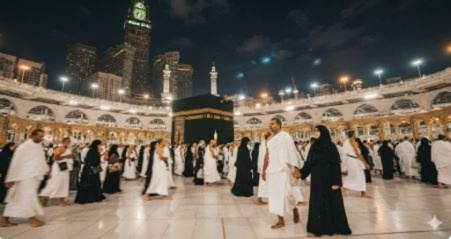

Umrah is a meaningful journey that many Muslims hope to undertake with their families. Planning the trip involves more than booking flights and accommodation. Travelers also need to consider the distance between their hotel and the Haram, transport arrangements, meals, travel dates, and the practical needs of everyone in their group.
Finding affordable Umrah packages is about balancing these priorities without spending more than necessary. A lower price can be attractive, but the overall experience also depends on accommodation quality, convenient transport, clear arrangements, and reliable support throughout the journey.
With careful planning, pilgrims can manage their budget while maintaining comfort and allowing themselves more time to focus on worship. The key is to understand what is included in a package, compare the details carefully, and decide which services matter most for the trip.
1. Start With a Realistic Umrah Budget
Before comparing travel options, decide how much you can comfortably spend on the entire journey. Looking only at the advertised package price can make it difficult to understand the real cost.
Your budget should account for flights, accommodation, transport between airports and hotels, meals, visa-related arrangements where applicable, and personal expenses. You may also want to reserve some money for unexpected costs or changes to your plans.
For example, a family might find a package that appears affordable but requires additional spending on meals and local transport. Another option may cost slightly more upfront but include services that reduce the need for separate arrangements.
Write down your expected expenses before making a decision. This gives you a clearer basis for comparing offers and helps prevent last-minute financial pressure.
2. Choose Travel Dates That Suit Your Budget
Travel dates can influence the total cost of an Umrah trip. Demand often changes around Ramadan, school holidays, and other busy travel periods, so prices and availability may differ depending on when you plan to go.
If your schedule is flexible, compare several possible departure dates rather than choosing the first available option. Traveling outside particularly busy periods may give you more accommodation choices and a wider range of package prices.
However, the cheapest dates are not automatically the best choice for everyone. Consider the weather, the length of your stay, family commitments, and your ability to manage the journey comfortably.
Pilgrims traveling with children or older relatives may prefer dates that allow sufficient rest and avoid an unnecessarily rushed itinerary. A small saving is less valuable if the arrangements make the journey difficult.
3. Decide How Much Hotel Comfort You Need
Accommodation is one of the most important parts of your planning because it affects both your budget and your daily routine.
Hotels closer to Masjid al-Haram in Makkah or Al-Masjid an-Nabawi in Madinah may offer greater convenience, but their prices can vary considerably. Properties farther away may be less expensive, although transport arrangements and walking distances become more important.
Before booking, consider the following details:
-
Distance from the Haram: Check the actual walking route rather than relying only on a property's general location.
-
Room occupancy: Confirm how many people will share a room and whether the sleeping arrangements suit your group.
-
Transport availability: Understand whether transport is included, how it operates, and whether additional charges apply.
-
Hotel facilities: Check the amenities that matter most to you, such as lifts, accessible entrances, or suitable family accommodation.
A modest hotel with practical facilities may be a better choice than a more expensive property offering features you will rarely use. The aim is to find accommodation that supports your daily needs without putting unnecessary pressure on your finances.
4. Compare What Each Package Actually Includes
Two travel packages can have similar advertised prices but offer very different arrangements. This is why it is important to examine the full details before making a payment.
Check whether the price includes return flights, hotel accommodation, airport transfers, intercity transport, and the relevant visa arrangements. Ask about baggage allowances, room-sharing conditions, meal provisions, and any services that carry additional charges.
Request a written breakdown of the total cost. If a service is described as included, confirm exactly what that means. For example, transport may cover airport transfers but not every journey between your hotel and the Haram.
You can explore Affordable Umrah Packages to review available options and identify arrangements that suit your budget and travel requirements.
A clear comparison makes it easier to judge value rather than choosing solely on the lowest headline price. It also gives you an opportunity to clarify important details before your travel plans are confirmed.
5. Plan Your Stay in Makkah and Madinah Carefully
Many pilgrims include both Makkah and Madinah in their itinerary. Planning the number of nights in each city can influence accommodation costs, transport expenses, and the overall pace of the journey.
Think about how much time you want to spend in each location. A shorter stay may reduce the total cost, but it can also make the trip feel rushed if you have long flights, family responsibilities, or limited mobility to consider.
When arranging your itinerary, check how you will travel between the two cities and whether the relevant transport is included in your package. Confirm departure times, luggage arrangements, and any additional transfers you may need.
It is also worth considering your arrival and departure times. An overnight flight or an early arrival may affect when you can access your hotel room, so confirm the check-in arrangements in advance.
A well-planned itinerary can help you avoid unnecessary transfers and extra accommodation expenses while leaving enough time for rest and worship.
6. Consider Group Travel and Shared Accommodation
Traveling with a group or sharing a room can sometimes reduce the cost per person. However, the savings depend on the package terms, room capacity, and the number of travelers.
Families may prefer a private room for greater convenience, while friends or relatives traveling together might be comfortable sharing accommodation. Before agreeing to share, confirm the room layout, sleeping arrangements, bathroom facilities, and any restrictions that apply.
Group travel can also make it easier to coordinate airport transfers and travel between cities. However, larger groups may have fixed departure times and less flexibility when individual needs change.
Choose an arrangement that works for everyone involved. The cheapest room-sharing option may not be suitable for older pilgrims, young children, or anyone who needs additional space and privacy.
7. Check the Travel Arrangements Before Paying
Once you have found a package that appears suitable, review the booking conditions carefully. Understanding the terms in advance can help you avoid confusion and unexpected costs later.
Ask for confirmation of the travel dates, airline details, hotel names, room category, occupancy, transport arrangements, and payment schedule. You should also understand the cancellation policy and what happens if flights or other arrangements change.
Verify that the required travel documents are valid and that the relevant entry and visa requirements are understood for your circumstances. Requirements can change, so check the applicable rules before departure.
If you are booking through a travel provider, make sure you understand who is responsible for each part of the trip and how to contact the team if you need assistance.
For help reviewing your travel options, Al Hijaz Tours is a place to begin exploring arrangements for your pilgrimage. Before committing, confirm the details of the specific package and obtain written information about the services being offered.
8. Prepare for Daily Expenses Before Departure
Even when the main travel arrangements are covered, daily spending can affect your overall budget. Meals, drinks, laundry, local shopping, mobile data, and small personal purchases can add up over the course of a trip.
Set a reasonable daily allowance based on your needs. If meals are not included, consider how you will manage food costs without sacrificing convenience or basic comfort.
Keep essential documents, booking confirmations, and emergency contact details accessible. Carry a suitable payment method and understand how you will access money while traveling.
Packing carefully can also help prevent unnecessary purchases. Comfortable footwear, appropriate clothing, essential medication prescribed for you, and any personal items you regularly use can make the journey easier.
For families, it can be helpful to prepare a simple list of shared expenses and decide in advance how costs will be managed. This reduces confusion and helps everyone stay within the agreed budget.
9. Avoid Common Mistakes When Booking
A low price deserves attention, but it should not be the only factor in your decision. Several common mistakes can make an apparently inexpensive package more costly or inconvenient.
Ignoring hidden charges: Ask whether the advertised amount includes all the services you expect. Confirm any taxes, additional transfers, room supplements, or other applicable fees.
Choosing accommodation without checking its location: A hotel described as convenient may still involve a longer walk or transport journey than you anticipated.
Leaving arrangements until the last minute: Delayed planning can limit your choices, especially during busy periods. Start comparing options early when possible.
Overlooking cancellation conditions: Understand the financial consequences if your circumstances change or travel arrangements need to be modified.
Paying without written confirmation: Keep a record of the agreed services, total price, payment receipts, and booking conditions.
Taking time to check these details can help you make a more informed decision and reduce avoidable stress.
10. Make Comfort Part of Your Planning
A budget-friendly pilgrimage should still allow you to travel with reasonable comfort. This is particularly important when traveling with elderly family members, children, or people who may find long walks and busy surroundings challenging.
Consider accessibility, rest periods, meal arrangements, luggage handling, and the amount of time spent moving between locations. If anyone in your group has specific mobility or health needs, discuss suitable arrangements before booking.
You do not necessarily need luxury accommodation or every available extra. Often, the most useful improvements are practical ones: a suitable hotel location, manageable transfers, enough rest, and clear communication about the itinerary.
Think about where spending a little more would make a meaningful difference and where a simpler option would work just as well. This helps you direct your budget toward the things that genuinely improve the journey.
Conclusion
Planning a comfortable pilgrimage begins with understanding your priorities and setting a realistic budget. Compare complete package details, choose suitable travel dates, assess hotel locations, and confirm transport and booking conditions before making a commitment.
The right choice is not always the cheapest advertised deal. It is the arrangement that provides the services you need at a price you can manage, with clear terms and enough flexibility for your circumstances.
By preparing early, checking the details, and allowing for everyday expenses, you can approach your Umrah journey with greater confidence and fewer financial surprises. Careful planning leaves you better placed to concentrate on the purpose of your pilgrimage rather than worrying about avoidable travel problems.

