

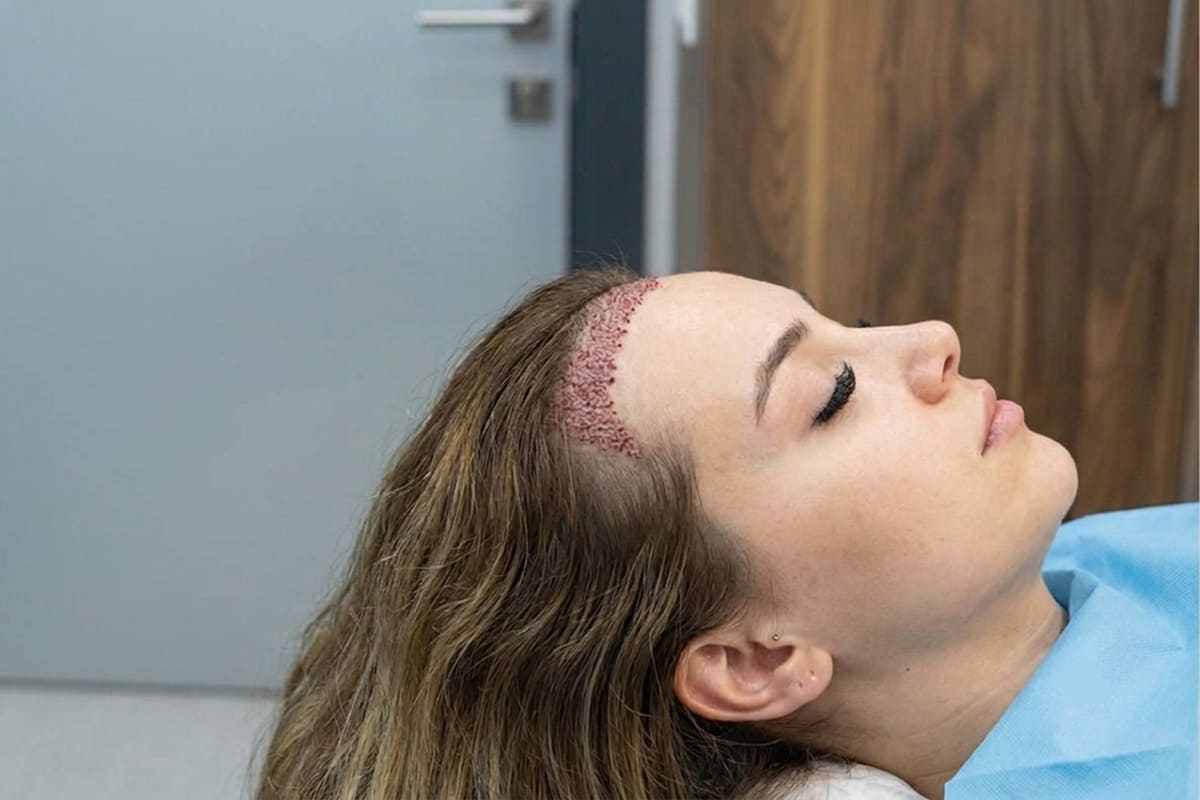

Female hair transplant results can vary depending on hair quality, scalp health, the cause of hair loss, and the technique used during surgery. While transplantation may help suitable women improve hair density and restore coverage in selected areas, the final outcome depends on several individual factors. A Female Hair Transplant in Dubai typically begins with an assessment of the donor area, existing hair, medical history, and treatment goals. Understanding what influences the results helps women develop realistic expectations, choose an appropriate treatment plan, and take steps to support healthy hair growth after the procedure.
Quality of Donor Hair
Donor hair quality is one of the most important factors affecting transplant results. Hair follicles are commonly taken from the back or sides of the scalp, where hair may be more resistant to common pattern hair loss. Thick, healthy follicles can provide better visual coverage than very fine or weak hair, although individual results vary. The surgeon evaluates donor density, hair thickness, follicular characteristics, and scalp condition before estimating how many grafts can be safely transferred. If donor hair is limited, the treatment plan may need to prioritise specific areas instead of attempting to cover the entire scalp.
Cause and Pattern of Hair Loss
The underlying cause of hair loss strongly influences whether a transplant is likely to succeed. Female pattern hair loss, traction alopecia, scarring alopecia, nutritional deficiencies, hormonal changes, and temporary shedding can all affect the scalp differently. Transplantation may be appropriate for selected women with stable hair loss and suitable donor follicles, but it may not be the best option for every condition. For example, temporary shedding may improve after the underlying cause is treated, while active inflammatory or scarring conditions may require medical management before surgery can be considered.
Stability of Existing Hair Loss
Stable hair loss generally makes treatment planning more predictable than rapidly progressing thinning. If natural hair continues to become thinner after transplantation, the transplanted area may eventually look different from the surrounding scalp. This is especially important for women experiencing female pattern hair loss, which can progress over time. A specialist may recommend monitoring the condition or using appropriate medical treatment before surgery. Planning for possible future thinning can help preserve donor hair and reduce the likelihood of an uneven appearance as the years pass.
Number of Grafts Transplanted
The number of grafts used during surgery affects the amount of coverage that may be achieved. A graft usually contains one or more hair follicles, and the total required depends on the size of the treatment area, existing density, hair characteristics, and the desired improvement. More grafts do not automatically guarantee better results. Removing too many follicles from the donor area can create visible thinning, while placing too many grafts into a limited recipient area may increase tissue stress. A surgeon should balance coverage goals with donor safety and the preservation of existing hair.
Hair Transplant Technique
The technique selected can influence scarring, recovery, and how grafts are harvested and implanted. Follicular Unit Extraction (FUE) removes individual follicular units and generally leaves small extraction marks, while Follicular Unit Transplantation (FUT) removes a strip of scalp and usually leaves a linear scar. Other approaches, such as specialised implantation devices, may be used during graft placement. No method guarantees superior results for every patient. The best option depends on donor hair quality, scalp characteristics, treatment goals, and the experience of the surgical team.
Skill and Experience of the Surgeon
Surgical expertise is important for planning the hairline, harvesting follicles, handling grafts, and placing them at appropriate angles and directions. Poor planning can result in unnatural hair growth, visible scarring, unnecessary damage to donor hair, or uneven coverage. An experienced, appropriately qualified surgeon should assess whether the procedure is suitable and explain the expected outcome and potential complications. Patients should ask about the surgeon's training, experience with female hair restoration, and approach to managing complications. Clear communication and realistic planning are important parts of responsible treatment.
Scalp Health and Medical Conditions
A healthy scalp provides a better environment for healing than a scalp affected by uncontrolled inflammation or infection. Conditions such as certain forms of scarring alopecia can damage follicles and may make transplantation unsuitable until the disease is adequately managed. Other medical conditions, medications, or factors affecting wound healing may also influence recovery. A clinician should review the patient's medical history and examine the scalp before recommending surgery. Depending on the symptoms, further investigations may be needed to identify conditions that could affect graft survival or increase the risk of complications.
Hormonal and Nutritional Factors
Hormonal changes and nutritional deficiencies can contribute to hair thinning in women. Thyroid disorders, iron deficiency, and other health issues may cause or worsen hair loss, while hormonal changes can affect the hair-growth cycle. Transplantation does not correct these underlying problems. If a medical cause is suspected, the clinician may recommend investigations and treatment before considering surgery. Addressing relevant deficiencies or health conditions can help manage ongoing hair loss and support general wellbeing, although it cannot guarantee a particular transplant result. Patients should not begin supplements or stop prescribed medicines without appropriate medical advice.
Following Postoperative Instructions
Aftercare plays an important role in recovery and graft protection. Patients are generally advised to follow instructions for washing the scalp, avoid rubbing or scratching the transplanted area, and protect healing skin from excessive sun exposure. Strenuous exercise and activities that may cause scalp injury may need to be limited temporarily. Patients should use only recommended medicines and products and attend scheduled follow-up appointments. Ignoring aftercare advice may interfere with healing or increase the risk of complications. The exact instructions and restrictions depend on the procedure and the treating surgeon's recommendations.
Healing and Individual Response
Every person heals differently, so transplant outcomes can vary even when similar techniques are used. Factors such as skin sensitivity, healing patterns, general health, and individual follicle characteristics may influence recovery. Temporary redness, swelling, itching, and small scabs can occur after surgery. Transplanted hair commonly sheds during the early weeks before new growth develops gradually over the following months. Some follicles may not produce lasting growth, and the final density may be lower than expected. Patients should allow sufficient time for assessment rather than judging the result during the early healing stage.
Hair Characteristics and Styling Expectations
Hair thickness, texture, colour contrast with the scalp, and natural growth direction can influence how full the hair appears. Coarser hair may provide more visual coverage per follicle than very fine hair, although curl pattern and other characteristics also matter. The contrast between hair and scalp can affect how noticeable thinning looks. The surgeon considers these characteristics when planning graft distribution and estimating likely coverage. Patients should discuss their preferred hairstyle, hairline shape, and density goals during consultation, as transplantation may improve the appearance of thinning without recreating the exact density of naturally thick hair.
Long-Term Hair Maintenance
Transplantation redistributes follicles but does not stop the underlying cause of progressive hair loss. Existing natural hair may continue thinning after surgery, potentially changing the appearance of the treated area. Depending on the diagnosis, a clinician may recommend ongoing medical treatment or periodic monitoring to help preserve existing hair. Regular follow-up can help identify changes and determine whether further care is needed. Maintaining general health, addressing diagnosed nutritional deficiencies, and avoiding repeated traction from tight hairstyles may also support hair health, although none of these measures can guarantee a specific transplant outcome.
Realistic Expectations and Treatment Planning
Realistic expectations are essential when evaluating female hair transplant results. The procedure can improve coverage in selected areas, but the available donor hair places limits on how much density can be achieved. Some women may need to focus on the hairline or a widening part rather than expecting uniform coverage across the scalp. New growth also takes time, with visible improvement often developing over several months and fuller results commonly taking nine to twelve months or longer. A personalised plan should explain the likely benefits, limitations, risks, and possible future treatment needs before surgery.
Conclusion
Female hair transplant results depend on several factors, including donor hair quality, the cause and stability of hair loss, scalp health, surgical technique, graft handling, and postoperative care. Hormonal or nutritional issues and progressive thinning may also influence long-term outcomes. Women considering a Female Hair Transplant in Dubai should undergo a detailed assessment with a qualified hair restoration surgeon to determine whether transplantation is suitable and what results may reasonably be expected. Careful planning, realistic goals, and appropriate follow-up can help support a safer treatment experience.
Frequently Asked Questions
1. What is the most important factor affecting female hair transplant results?
Donor hair quality and the underlying cause of hair loss are major factors. The surgeon must also consider scalp health, graft placement, and whether the hair-loss condition is stable.
2. Does the number of grafts determine the final result?
The number of grafts affects potential coverage, but more grafts do not always mean better results. Donor hair availability, graft survival, placement, and existing hair density are also important.
3. Can hormonal changes affect hair transplant results?
Yes. Hormonal conditions can contribute to ongoing hair loss, which may affect the appearance of the transplanted area over time. Medical assessment can help identify relevant causes.
4. Does the surgeon's experience affect the outcome?
Yes. Appropriate training and experience support careful planning, graft handling, natural hair direction, and complication management. Patients should discuss qualifications and experience before treatment.
5. How long does it take to see female hair transplant results?
New growth usually develops gradually over several months. Visible improvement may begin around three to six months, while fuller results often take nine to twelve months or longer.
6. Can poor aftercare affect transplanted hair?
Not following postoperative instructions may interfere with healing or increase the risk of complications. Patients should follow their surgeon's guidance for washing, scalp protection, activity, and medication use.
7. Can female hair transplant results last permanently?
Transplanted follicles may continue growing for many years, but surrounding natural hair can still thin. Long-term results depend on donor hair characteristics and management of the underlying hair-loss condition.
8. How can women improve their chances of a successful hair transplant?
Women can support treatment planning by obtaining a proper diagnosis, choosing a qualified surgeon, discussing realistic goals, addressing relevant medical conditions, and following postoperative instructions. No approach can guarantee a specific result.

