

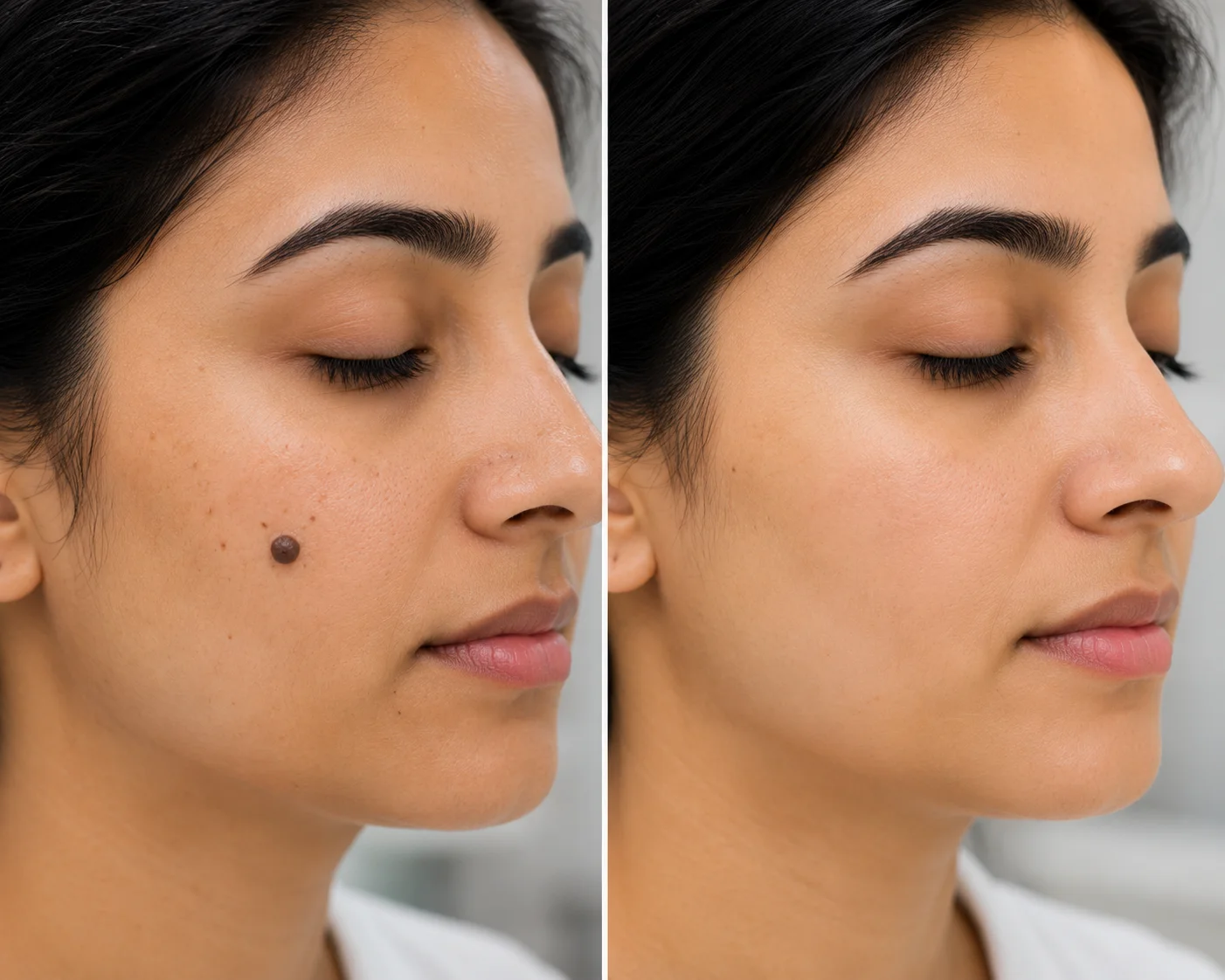

Warts are common skin growths that can appear on the hands, feet, fingers, and other areas of the body. Although they are usually harmless, they may cause discomfort, spread to nearby skin, or affect a person's confidence. With several treatment options available, choosing the right approach begins with an accurate assessment and professional guidance.
Expert consultation plays an important role in identifying the type of skin growth, understanding individual needs, and selecting an appropriate treatment plan. For people considering Warts removal in Islamabad, speaking with a qualified healthcare professional can help clarify the available options, possible risks, and expected recovery process.
Why Expert Consultation Matters
Not every skin growth that resembles a wart is actually a wart. Other skin conditions can have a similar appearance, and treating an unidentified growth without an appropriate assessment may delay the correct care.
A qualified healthcare professional can examine the area, ask about changes in its appearance, and review relevant medical history. If a growth looks unusual, further assessment may be needed before treatment.
Consultation also helps establish realistic expectations. Some warts respond to treatment quickly, while others require multiple sessions or may return. Understanding these possibilities allows patients to make informed decisions rather than expecting immediate or permanent results.
Identifying the Type and Location of a Wart
Warts can differ in appearance and location. Common warts often develop on the hands and fingers, while plantar warts occur on the soles of the feet and may cause discomfort during walking. Flat warts may appear in groups, and other types can affect different body areas.
The location of a wart influences which treatments may be appropriate. For example, the skin on the face may require a different approach from thicker skin on the soles of the feet.
During a consultation for Warts removal in Islamabad, the healthcare professional can evaluate the growth and recommend a treatment suited to its location, size, thickness, and clinical characteristics.
A wart that is bleeding, rapidly growing, changing in color or shape, unusually painful, or resistant to treatment should be assessed rather than repeatedly treated at home.
Understanding Available Treatment Options
Professional consultation allows patients to compare treatments and understand their advantages and limitations. The appropriate method depends on the individual case, and no single option works best for every wart.
Cryotherapy
Cryotherapy uses liquid nitrogen to freeze wart tissue. The treated area may become tender or develop a blister before healing. Some warts need several sessions.
Topical Treatments
Salicylic acid can gradually remove layers of certain warts and may be suitable for selected common or plantar warts. Treatment often takes several weeks and requires consistent use according to instructions.
These products should not be used on facial or genital growths without medical advice. People with diabetes, poor circulation, or reduced sensation should consult a healthcare professional before treating foot warts.
Electrosurgery and Curettage
For selected warts, a clinician may use electrical energy to destroy tissue or a specialized instrument to remove it. Depending on the procedure, local anesthesia may be necessary. Potential risks include bleeding, infection, scarring, and changes in skin pigmentation.
Laser Treatment
Laser treatment may be considered for certain persistent warts that have not responded to other approaches. It is not necessary for every patient, and its suitability depends on the growth and individual skin characteristics.
An expert can explain which options may be appropriate when discussing Warts removal in Islamabad, including their potential benefits, costs, recovery requirements, and risks.
Personalizing the Treatment Plan
Each patient has different skin characteristics, medical needs, and expectations. A personalized plan considers the number of warts, their location, previous treatments, and any conditions that could affect healing.
Your healthcare professional may also ask about medications, allergies, and previous reactions to skin procedures. This information helps determine whether a particular treatment is suitable and whether extra precautions are necessary.
Before proceeding, ask how many sessions might be needed, what discomfort to expect, how long healing may take, and whether follow-up appointments are recommended. Clear answers can help you prepare and feel more comfortable with your decision.
The Importance of Safe Aftercare
Consultation remains valuable after the procedure because appropriate aftercare supports healing and helps identify potential complications.
Follow the instructions provided for cleaning and protecting the treated area. Avoid picking blisters or scabs, and do not apply additional wart-removal products or harsh skincare ingredients unless your clinician recommends them.
Temporary redness, tenderness, or blistering can occur with some treatments. However, increasing pain, spreading redness, pus, persistent bleeding, or delayed healing should prompt medical advice.
After Warts removal in Islamabad, attend follow-up appointments when recommended, especially if the treated area is slow to heal or the wart appears to be returning.
Reducing the Risk of Recurrence
Warts are caused by certain types of human papillomavirus (HPV). Treatment can remove the visible growth, but it may not eliminate the virus from surrounding skin. Therefore, recurrence is possible even after appropriate care.
Avoid picking at warts, wash your hands after touching an affected area, and avoid sharing personal grooming tools. Wearing footwear in communal showers may also help reduce exposure to HPV associated with plantar warts.
If a wart returns, seek professional advice rather than cutting, burning, or repeatedly treating it without guidance.
Conclusion
Expert consultation is an essential part of responsible wart management. Accurate assessment, personalized treatment recommendations, realistic expectations, and appropriate aftercare can help patients make informed decisions about their skin health.
If you are considering Warts removal in Islamabad, choose a qualified healthcare professional who can assess the growth and explain suitable options. Professional guidance helps you understand the treatment journey while reducing avoidable risks and supporting healthier-looking skin.
Frequently Asked Questions
1. Why is expert consultation important for Warts removal in Islamabad?
Expert consultation for Warts removal in Islamabad helps confirm whether a growth is a wart, identify suitable treatments, and explain possible risks, recovery, and follow-up care.
2. How does a professional choose the right treatment for Warts removal in Islamabad?
For Warts removal in Islamabad, a healthcare professional considers the wart's size, location, thickness, previous treatments, and the patient's medical history before recommending an appropriate option.
3. Can expert consultation improve recovery after Warts removal in Islamabad?
Consultation for Warts removal in Islamabad provides personalized aftercare instructions and guidance on recognizing complications. Following these recommendations can help support healing and reduce avoidable irritation.
4. Should I seek another consultation if a wart returns after Warts removal in Islamabad?
Yes. After Warts removal in Islamabad, a returning or changing growth should be assessed by a qualified healthcare professional to confirm the diagnosis and discuss further treatment if necessary.
For more information visit
Enfield royal clinic in islamabad

