

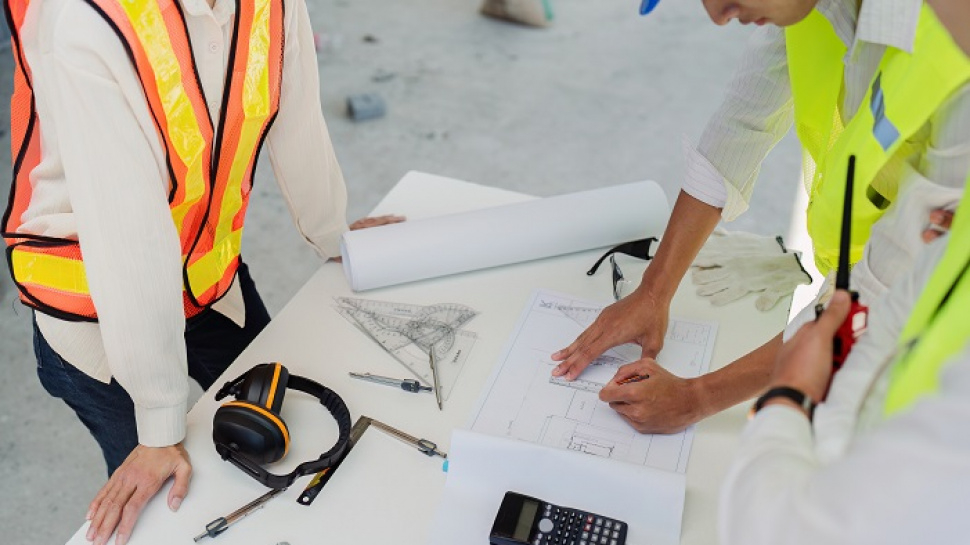

A building project is a major investment that requires careful planning, suitable materials, skilled workers, and proper management. Whether someone wants to build a family home, a retail store, an office, or a large commercial property, choosing the right construction partner can make the entire process easier to manage. A constructions company helps turn building plans into real structures by coordinating the work from the early planning stage to the final inspection.
The right team understands that every project has different needs. Some property owners want a new building, while others need an extension, renovation, or structural improvement. By understanding the purpose of the project, the available budget, and the expected completion date, a constructions company can develop a practical plan that supports the owner's goals.
Understanding the Role of a Construction Company
A construction business manages the activities involved in creating or improving buildings. Its responsibilities may include preparing the site, arranging materials, hiring workers, coordinating subcontractors, and monitoring daily progress. Depending on the project, the team may also work with architects, engineers, designers, and inspectors to make sure the structure follows approved plans and applicable building codes.
Good project management helps prevent confusion between different stages of construction. For example, foundation work must be completed and checked before the next major structural activities begin. A clear schedule helps workers understand their responsibilities and allows the project manager to identify delays before they affect the entire job.
Residential Building Projects
Building a home involves many decisions, from choosing the layout to selecting finishing materials. Homeowners need a structure that suits their family's lifestyle, provides enough space, and remains practical for years to come. A constructions company in Yonkers can coordinate foundation work, framing, roofing, plumbing, electrical installation, insulation, and interior finishing according to the project's approved design.
The planning stage is particularly important for residential projects. Families should consider the number of bedrooms, storage requirements, natural lighting, ventilation, parking, and future changes in household needs. Discussing these details before construction begins can reduce costly changes later.
Homeowners should also consider long-term maintenance when selecting materials. Durable flooring, suitable roofing, properly installed windows, and appropriate drainage can help protect the property from everyday wear and weather conditions. Careful planning makes it easier to balance appearance, comfort, and construction costs.
Commercial Construction and Business Spaces
Commercial buildings must support daily business activities while providing safe and practical spaces for employees, customers, and visitors. Offices, shops, restaurants, warehouses, and other commercial properties may require different layouts, equipment, access points, and safety features.
A constructions company working on commercial projects coordinates the activities needed to complete the building according to its intended use. This can include structural work, interior partitions, electrical systems, plumbing, flooring, lighting, and exterior improvements. The project team must also consider accessibility, fire safety, building regulations, and any special requirements related to the business.
For business owners, time management can be especially important. Delays may affect opening dates, rental costs, and planned operations. A realistic schedule, regular progress updates, and early ordering of important materials can help keep work organized. However, unexpected weather, supply problems, or inspection requirements may still affect the completion date.
Planning a Construction Budget
A clear budget helps property owners understand how much money they may need throughout a project. Construction costs depend on several factors, including building size, design complexity, labor rates, material choices, site conditions, and local regulations. Projects that involve difficult ground conditions or major structural changes may require additional preparation and specialized work.
Before hiring a contractor, request a written estimate that explains the expected costs. It should identify the main work items, material allowances, labor expenses, payment stages, and any exclusions. Comparing estimates can be useful, but the lowest price does not always represent the best value. A quote may be lower because certain tasks or materials have not been included.
It is also sensible to keep a contingency fund for unexpected expenses. The appropriate amount depends on the project's complexity and risk. Property owners should discuss how changes will be priced and approved before additional work begins. Written records help both sides understand what has been agreed upon and reduce the chance of disputes.
Choosing Suitable Materials
Materials affect the strength, appearance, energy use, and maintenance needs of a building. Concrete, steel, timber, bricks, insulation, glass, and finishing products each serve different purposes. The correct choice depends on the building design, climate, intended use, and project budget.
A constructions company should help coordinate material selection with the project specifications and advice from qualified designers or engineers. Structural materials must meet the requirements of the approved design rather than being chosen only because they cost less. Similarly, roofing and exterior materials should be suitable for local weather conditions.
Property owners should ask about material grades, product specifications, availability, and warranties where applicable. It is also helpful to confirm how materials will be stored and protected on-site. Poor storage can lead to damage, waste, and delays, adding unnecessary expenses to the project.
Renovations and Property Improvements
Not every building project requires starting from the ground up. Renovation work can improve an existing property, update outdated rooms, increase usable space, or address damage. Common projects include kitchen remodeling, bathroom upgrades, room additions, roof replacement, flooring installation, and changes to interior layouts.
Before renovation begins, the existing structure should be assessed to identify potential problems. Hidden moisture, damaged wiring, plumbing leaks, and structural defects can affect the scope of the work. Older properties may also require additional checks before walls are removed or major systems are replaced.
A construction contractor in Yonkers can organize the work in stages to reduce disruption. For example, demolition and structural repairs may need to happen before new flooring and paint are installed. Completing tasks in the correct order helps protect finished surfaces and avoids repeating work. Owners should also confirm whether permits or inspections are required for the planned changes.
Safety and Building Standards
Safety should remain a priority throughout construction. Worksites may contain heavy equipment, electrical systems, elevated work areas, dust, and other hazards. Contractors should establish suitable safety procedures, provide appropriate protective equipment, and maintain an organized work area.
Building standards are equally important. Depending on the location and type of property, the project may need approved drawings, permits, structural checks, electrical inspections, plumbing inspections, or fire safety measures. Following the applicable requirements helps protect occupants and supports the lawful use of the completed building.
Property owners can ask how safety is managed and which inspections are included in the project. They should also confirm who is responsible for arranging approvals and keeping records. Clear responsibilities help prevent important tasks from being overlooked.
How to Select the Right Construction Partner
Choosing a contractor requires more than reviewing a price. Start by checking the company's experience with projects similar to yours. A team that regularly builds residential properties may have different strengths from one that specializes in industrial facilities or large commercial developments.
Ask for examples of completed work, references from previous clients, and details about relevant licenses or registrations. Verify these details through appropriate local authorities where possible. It is also useful to understand who will supervise the site, how often progress will be reported, and how questions or concerns will be handled.
A written contract should describe the scope of work, estimated schedule, payment terms, materials, responsibilities, and process for approving changes. Make sure you understand the terms before signing. Regular communication during construction can help identify concerns early and keep expectations realistic.
Final Thoughts on Building a Successful Project
Successful construction depends on good planning, clear communication, suitable materials, and careful supervision. Whether the goal is a new home, a commercial building, or an improvement to an existing property, each stage should be managed with attention to safety, cost, and the approved design.
A constructions company can help coordinate the people, materials, and activities required to complete a building project. Property owners can support the process by defining their priorities, setting a realistic budget, reviewing written agreements, and staying involved in important decisions. With the right preparation and an organized approach, a construction project has a stronger foundation for meeting its intended purpose and providing lasting value.

