

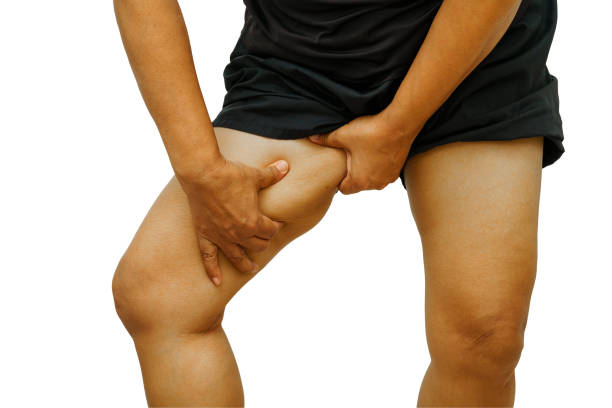

Lipedema is a chronic condition involving an abnormal buildup of fat beneath the skin, most commonly affecting the hips, buttocks, thighs, and lower legs. It may cause disproportionate limb size, tenderness, heaviness, and easy bruising, which can affect daily comfort and mobility. Understanding the condition is an important first step toward appropriate care, and Treatment for Lipedema in Riyadh (الوذمة الشحمية) may involve conservative management, symptom relief, or specialized surgery for selected patients. Learning about the symptoms, possible causes, diagnosis, and available treatments can help individuals make informed decisions about their health.
What Is Lipedema?
Lipedema is a long-term disorder affecting the distribution of subcutaneous fat, which is the fat located directly beneath the skin. It most commonly affects women and may begin or become more noticeable during hormonal transitions such as puberty, pregnancy, or menopause. However, the exact cause remains unclear, and the condition can vary significantly from person to person.
A common characteristic is symmetrical fat accumulation in the legs, sometimes extending to the arms, while the hands and feet are often spared. This may create a noticeable difference between the size of the limbs and the rest of the body.
Lipedema is not simply the result of overeating or physical inactivity. People with the condition may experience persistent changes in affected areas despite maintaining healthy habits. Although weight management can support overall health, it does not necessarily eliminate lipedema-related fat.
Common Symptoms of Lipedema
Lipedema symptoms may develop gradually and vary in severity. Recognizing common signs can help people determine when to seek a professional assessment.
Disproportionate Fat Distribution
One of the most recognizable features is an unusual distribution of fat around the hips, buttocks, thighs, or lower legs. The upper and lower body may appear disproportionate even when overall weight remains relatively stable.
Both sides of the body are often affected in a similar pattern, although the degree of enlargement may differ. In some cases, the arms are also involved.
Pain and Tenderness
Affected areas may feel painful or sensitive to pressure. Some people experience discomfort while walking, exercising, or wearing tight clothing. The intensity of pain varies, and not everyone with lipedema experiences the same symptoms.
Easy Bruising
Bruises may appear after relatively minor pressure or contact. Changes in small blood vessels and surrounding tissues may contribute, although the precise mechanisms are not fully understood.
Heaviness and Swelling
The legs may feel heavy, tired, or uncomfortable, especially after standing or sitting for long periods. Swelling can also occur, but persistent swelling involving the feet may indicate another condition or an additional problem that needs assessment.
Reduced Mobility
As symptoms progress in some individuals, the size and discomfort of affected limbs may make everyday movement more difficult. Pain and reduced mobility can interfere with exercise, work, and other daily activities.
What Causes Lipedema?
The exact cause of lipedema has not been established. Research suggests that genetic and hormonal factors may contribute, but no single cause explains every case.
Genetic Factors
Lipedema sometimes occurs in multiple family members, suggesting a possible inherited component. However, a family history does not mean that every relative will develop the condition.
Hormonal Influences
The condition often begins or changes during periods of hormonal transition. This pattern has led researchers to investigate how hormones may influence fat tissue and the development of symptoms.
Changes in Fat Tissue
Lipedema involves changes in subcutaneous fat and surrounding connective tissue. These changes differ from ordinary fat accumulation, although researchers are still studying the biological processes involved.
Healthy habits remain important for general well-being, but lipedema should not be attributed simply to poor lifestyle choices.
How Is Lipedema Diagnosed?
There is no single blood test or imaging study that confirms every case of lipedema. Diagnosis generally involves a clinical assessment by a healthcare professional familiar with the condition.
The clinician may ask about the history of symptoms, tenderness, bruising, changes in limb size, family history, and any relationship to hormonal changes. A physical examination can help assess fat distribution, swelling, and whether the feet or hands are affected.
Additional tests may be recommended to rule out other conditions, including obesity-related fat distribution, lymphedema, and chronic venous disease.
An accurate diagnosis is essential because these conditions may require different treatments. Sudden swelling, particularly in one leg, accompanied by pain, warmth, or redness requires urgent medical assessment to rule out a blood clot or another serious problem.
What Treatment Options Are Available for Lipedema?
There is currently no universally established cure for lipedema, but treatment can help manage symptoms, support mobility, and improve quality of life. The most suitable approach depends on symptom severity, medical history, physical function, and individual goals.
Conservative Treatment
Conservative approaches are often used to manage discomfort and support everyday activities.
-
Compression garments: Properly fitted garments may help manage swelling and provide support. A healthcare professional should advise on the appropriate type and compression level, particularly when circulation problems are present.
-
Physical activity: Walking, swimming, water-based exercise, and other low-impact activities may help maintain mobility and general fitness. Activities should be adapted to the person's comfort and physical abilities.
-
Manual therapies: Some patients may benefit from specialist-directed manual therapy, especially when swelling or an additional lymphatic condition is present. These approaches may help relieve symptoms but do not remove lipedema fat.
-
Healthy lifestyle habits: Balanced nutrition, adequate sleep, and regular movement support general health. Weight management may reduce additional fat accumulation and strain on the joints, although it does not necessarily reverse lipedema-related tissue changes.
A personalized Treatment for Lipedema in Riyadh plan should consider which conservative measures are appropriate and whether additional assessment is necessary.
Lipedema Reduction Surgery
For selected patients with persistent symptoms, specialized lipedema reduction surgery may be considered after a thorough medical assessment and discussion of conservative options. Certain liposuction techniques can remove affected subcutaneous fat and may improve pain, mobility, and limb contour in some patients.
However, surgery for lipedema differs from routine cosmetic liposuction in its goals, planning, and medical considerations. It requires a surgeon with relevant experience, careful evaluation of the lymphatic system, and an individualized approach to reducing complications.
Surgery does not guarantee complete symptom relief, and some patients may continue to need compression garments or other supportive care afterward. Before proceeding, patients should discuss the potential benefits, limitations, recovery requirements, and risks with a qualified medical professional.
What Is the Difference Between Lipedema and Lymphedema?
Lipedema and lymphedema can both affect the limbs, but they are distinct conditions.
Lipedema primarily involves an abnormal distribution of subcutaneous fat and commonly affects both legs in a symmetrical pattern. The feet are often spared, and tenderness or easy bruising may occur.
Lymphedema develops when lymphatic drainage is impaired, causing fluid to accumulate in the tissues. It may affect one or both limbs and can involve the feet and toes. Some people with lipedema also develop lymphedema, a condition sometimes called lipo-lymphedema.
Because symptoms can overlap, professional evaluation is important before choosing a treatment approach.
Living With Lipedema
Living with lipedema can be physically and emotionally challenging, particularly when symptoms affect mobility, clothing choices, or confidence. An accurate diagnosis and an appropriate care plan can help patients understand their options and manage symptoms more effectively.
Regular follow-up can help monitor changes and identify new concerns that may require assessment. Support from healthcare professionals, family members, and patient communities may also help individuals cope with the long-term effects of the condition.
People exploring Treatment for Lipedema in Riyadh should seek individualized medical guidance rather than relying on generalized claims about guaranteed results or permanent cures.
Conclusion
Lipedema is a chronic condition that affects fat distribution and may cause tenderness, easy bruising, heaviness, and changes in limb shape. Although there is no guaranteed cure, appropriate diagnosis, conservative management, and surgery for selected patients may help improve symptoms and quality of life. For personalized guidance, arrange a consultation with Royal Clinic Saudia (عيادات رويال كلينك) to discuss your symptoms and learn whether further assessment or suitable treatment options may be appropriate for your needs.

