

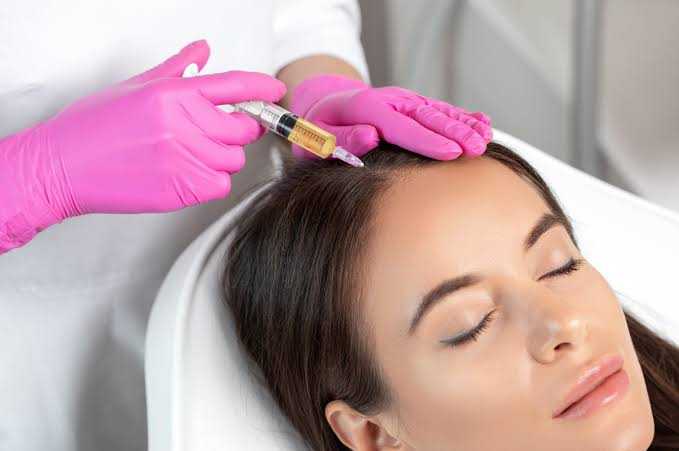

Hair thinning and hair loss can begin at different stages of life. Some people notice changes in their late teens or twenties, while others experience reduced hair density as they get older. Platelet-rich plasma (PRP) therapy is a treatment option that may help selected people with certain types of hair loss. Best PRP Hair Treatment in Dubai uses concentrated platelets prepared from the patient’s own blood and injected into the scalp to support existing hair follicles. There is no single age at which everyone should start treatment. Suitability depends on the cause of hair loss, the condition of the scalp, medical history, and whether the treatment is appropriate for the individual.
Is There a Minimum Age for PRP Hair Therapy?
There is no universal age threshold that makes PRP suitable for everyone. However, PRP for hair loss is generally considered for adults after a proper medical assessment. Treatment in teenagers or younger patients requires particular caution because hair loss may be associated with hormonal changes, nutritional deficiencies, scalp disorders, stress, or other medical conditions.
Rather than choosing treatment based on age alone, a dermatologist should establish why the hair is thinning and whether PRP is likely to help. In younger patients, investigating the underlying cause is especially important before considering an injectable procedure.
Starting PRP in Your Twenties
Hair loss in the twenties can be distressing, particularly when it affects confidence or changes the appearance of the hairline. Some people develop early signs of hereditary hair loss during this period, while others experience temporary shedding following illness, stress, or nutritional changes.
Early Signs of Hair Thinning
Common signs include a widening part line, reduced volume around the crown, a receding hairline, or increased visibility of the scalp. These changes do not always indicate the same condition, so professional assessment is useful.
For selected adults with early pattern hair loss, PRP may be considered while follicles are still active. The treatment may help improve hair thickness or density in some people, but results vary and are not guaranteed.
Why Diagnosis Matters at a Young Age
Hair loss in younger adults should not automatically be treated as hereditary. A clinician may ask about family history, recent illness, diet, medications, stress, and scalp symptoms. Blood tests may be recommended when the history or examination suggests an underlying deficiency or medical condition.
Treating the cause may be more effective than proceeding directly to PRP. If PRP is appropriate, it may be discussed as part of a broader hair restoration plan.
Can You Start PRP in Your Thirties?
People in their thirties may notice more visible hair thinning or a gradual reduction in hair density. Hereditary hair loss can progress during this decade, although the pattern and speed differ from person to person.
PRP may be an option for suitable adults who still have active hair follicles. The goal is generally to support existing hair rather than create new follicles. A clinician may also discuss established treatments, such as topical minoxidil, depending on the diagnosis and the person’s circumstances.
Starting treatment earlier does not guarantee better results. The degree of follicle miniaturisation, the cause of hair loss, and the individual’s response are important factors.
Is PRP Suitable for People in Their Forties and Fifties?
PRP may also be considered for adults in their forties and fifties. Age alone does not automatically rule out treatment, but the condition of the hair follicles becomes an important part of the assessment.
Some people retain many active follicles despite noticeable thinning and may be candidates for treatment. Others may have advanced hair loss or a scarring condition that has permanently damaged follicles, making PRP less likely to help.
For women, hormonal changes around perimenopause and menopause can affect hair density. For men, hereditary pattern hair loss may become more apparent with age. A clinician should assess these factors rather than assuming that all age-related thinning has the same cause.
Does PRP Work Better When You Start Earlier?
PRP may be more useful when hair follicles are still present and producing thinner hair. In some cases of early or moderate pattern hair loss, treatment may help improve hair density or thickness. However, the evidence varies, and it is not possible to promise a particular result based on age alone.
Several factors influence the response:
-
Cause of hair loss: PRP may be considered for selected cases of pattern hair loss, but other conditions may require different treatment.
-
Follicle condition: Follicles that remain active may respond differently from areas where they have been permanently destroyed.
-
Overall health: Certain medical conditions, nutritional deficiencies, and medications can affect hair growth.
-
Treatment consistency: A clinician may recommend an initial series of sessions and follow-up assessments.
-
Individual response: Even people with similar hair loss patterns may experience different outcomes.
PRP does not guarantee that hair loss will stop, and maintenance treatment may be suggested for some patients. The plan should be reviewed if there is little improvement.
When Should You Consider a Hair Loss Assessment?
You do not need to wait until hair loss becomes severe before seeking advice. A medical assessment can help identify the cause and establish whether treatment is needed.
Consider arranging an appointment if you notice:
-
Gradual thinning or a widening part line.
-
A receding hairline or reduced density around the crown.
-
Persistent or increasing hair shedding.
-
Bald patches that appear suddenly.
-
Scalp itching, pain, redness, scaling, or inflammation.
-
Hair loss following a significant illness, rapid weight loss, or a medication change.
Sudden hair loss, patchy baldness, or symptoms of scalp inflammation should be assessed promptly. These signs may indicate a condition that needs specific treatment rather than PRP alone.
Who May Not Be a Suitable Candidate?
PRP is not appropriate for every person with hair loss. A clinician may recommend another approach if the hair loss is caused by an untreated medical condition, a nutritional deficiency, active scalp infection, or a disorder that damages follicles.
People with certain platelet or blood disorders, or other medical circumstances that affect the procedure, may also need additional assessment. Current medicines and supplements should be reviewed before treatment. Patients should not stop prescribed medicines without advice from their healthcare professional.
For younger patients, the clinician should consider age-related consent requirements and whether there is enough evidence to justify the procedure.
What Happens During a PRP Consultation?
A consultation typically begins with a discussion of when the hair loss started, how quickly it is progressing, family history, medical conditions, and previous treatments. The clinician may examine the scalp and assess the distribution and severity of thinning.
Depending on the findings, further tests may be recommended to investigate possible causes. Once the diagnosis is clearer, the clinician can explain whether PRP is appropriate, what benefits may be realistic, and which alternatives are available.
If treatment is selected, a small amount of blood is collected and processed to concentrate the platelets. The prepared material is then injected into selected areas of the scalp. Temporary tenderness, redness, swelling, or bruising may occur. As with any injection procedure, there is also a small risk of infection.
How Many Sessions Might You Need?
The number of sessions depends on the treatment protocol and individual circumstances. Some plans begin with approximately three sessions spaced several weeks apart, followed by an assessment of progress. Other schedules may differ.
Hair growth is gradual, so improvement is usually assessed over several months rather than immediately after the procedure. Follow-up appointments can help determine whether the treatment is providing a meaningful benefit and whether additional sessions should be considered.
A responsible treatment plan should include realistic expectations and a review of other options if the results are limited.
Conclusion
PRP hair treatment does not have one ideal starting age for everyone. It may be considered for suitable adults in their twenties and beyond, provided the cause of hair loss has been assessed and the hair follicles remain active. Starting early may be useful in selected cases, but age alone does not predict success. The most important step is to obtain a professional diagnosis and discuss the benefits, limitations, risks, and alternatives before beginning treatment.
Frequently Asked Questions
1. Can you get PRP hair treatment at 18?
Some adults may be considered for PRP from age 18, depending on local regulations and clinical assessment. Hair loss at this age should first be evaluated to identify the cause and determine whether treatment is appropriate.
2. Is PRP hair treatment suitable for people in their twenties?
It may be suitable for selected adults in their twenties, particularly those with early pattern hair loss and active follicles. A dermatologist should confirm the diagnosis before treatment.
3. Can people in their thirties benefit from PRP?
Yes, some people in their thirties may benefit from PRP, depending on their hair loss pattern and follicle condition. Results vary, and treatment does not guarantee regrowth.
4. Is PRP effective after age 40?
Age over 40 does not automatically make someone unsuitable. The likely benefit depends more on the cause and severity of hair loss and whether active follicles remain.
5. Does starting PRP earlier prevent baldness?
PRP cannot guarantee prevention of baldness. It may help some people with selected types of hair loss, but long-term management may require other treatments and ongoing medical review.
6. Can teenagers receive PRP for hair loss?
Teenagers should receive a medical assessment before considering PRP. Hair loss may have treatable causes, and injectable cosmetic treatment may not be appropriate without specialist guidance and consideration of consent requirements.
7. How long does PRP take to show results?
Any improvement generally takes several months to assess because hair grows slowly. Some people notice changes in shedding or thickness, while others may experience little or no benefit.
8. Should you try PRP before other hair loss treatments?
Not necessarily. The best first step is to identify the cause of hair loss. Depending on the diagnosis, a clinician may recommend treating an underlying condition, using established hair loss medication, considering PRP, or combining suitable options.

