

BPO Identity Verification and New Hire Background Check: Building a Secure Hiring Process
In today’s competitive business environment, organizations must ensure that every new employee is trustworthy and properly verified. Business Process Outsourcing (BPO) companies handle sensitive customer information, financial records, and confidential business data. Therefore, BPO identity verification and a new hire background check are essential components of a secure and reliable recruitment process.
Understanding BPO Identity Verification
BPO identity verification involves confirming the identity of candidates before they receive access to company systems, customer accounts, or confidential information. Since BPO employees frequently manage sensitive data, verifying their identities helps reduce impersonation, recruitment fraud, and unauthorized access.
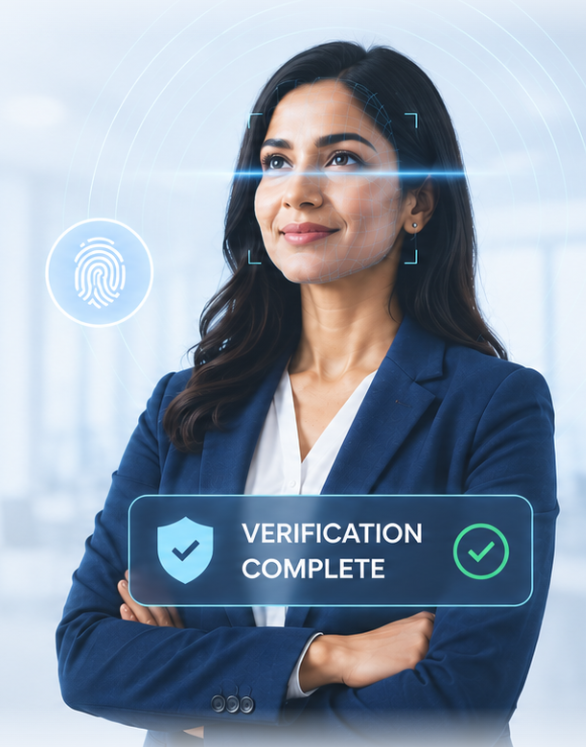
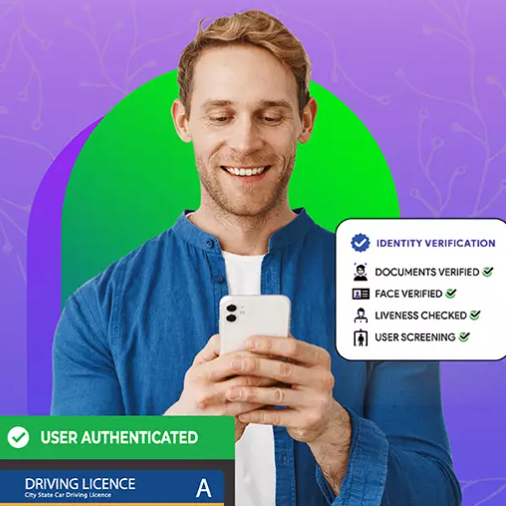
Modern identity verification solutions use technologies such as document verification, facial recognition, and liveness detection to authenticate candidates. These tools help organizations confirm whether submitted identification documents are genuine and whether the person completing the verification matches the document.
Automated verification systems can also improve recruitment efficiency by reducing manual work and supporting faster candidate onboarding. For BPO companies hiring employees across multiple locations, digital identity verification provides a consistent approach to checking candidate credentials.
Why a New Hire Background Check Matters
A new hire background check helps employers evaluate a candidate’s information before finalizing employment. Depending on the job role, company policies, and applicable laws, the process may include employment history verification, education checks, identity confirmation, address verification, and legally permitted criminal record checks.
For BPO organizations, background screening is particularly important when employees handle financial transactions, customer support operations, or confidential client information. Identifying discrepancies in a candidate’s employment history or credentials can help employers make informed hiring decisions.
A structured background check also promotes accountability and supports a safer workplace. Employers should obtain appropriate consent, protect personal information, and follow applicable data protection and employment regulations throughout the process.
Benefits of Combining Identity Verification and Background Screening
Combining BPO identity verification with a new hire background check creates a more comprehensive recruitment strategy. While identity verification confirms who the candidate is, background screening helps validate relevant information about their professional and personal history.
Key benefits include:
-
Reduced recruitment fraud: Helps detect identity misuse and inconsistencies in candidate information.
-
Faster onboarding: Digital verification tools can reduce delays caused by manual document reviews.
-
Improved data security: Supports stronger access controls for employees handling sensitive information.
-
Better hiring decisions: Verified information allows recruiters to assess candidates more confidently.
-
Consistent screening processes: Standardized workflows help HR teams manage verification across different departments.
Choosing the Right Verification Solution
Organizations should select a verification solution that supports their hiring volume, industry requirements, and security standards. Important features include automated document verification, facial matching, liveness detection, secure data handling, and integration with existing recruitment systems.
BPO companies should also establish clear screening policies and apply checks consistently according to job responsibilities and legal requirements. Human review may be necessary when automated systems identify discrepancies or produce inconclusive results.
Conclusion
BPO identity verification and a new hire background check play an important role in modern recruitment. By combining reliable identity authentication with appropriate background screening, organizations can reduce hiring risks, protect sensitive information, and improve onboarding efficiency. Investing in secure digital verification processes helps businesses build a trustworthy workforce while creating a more streamlined candidate experience.

