

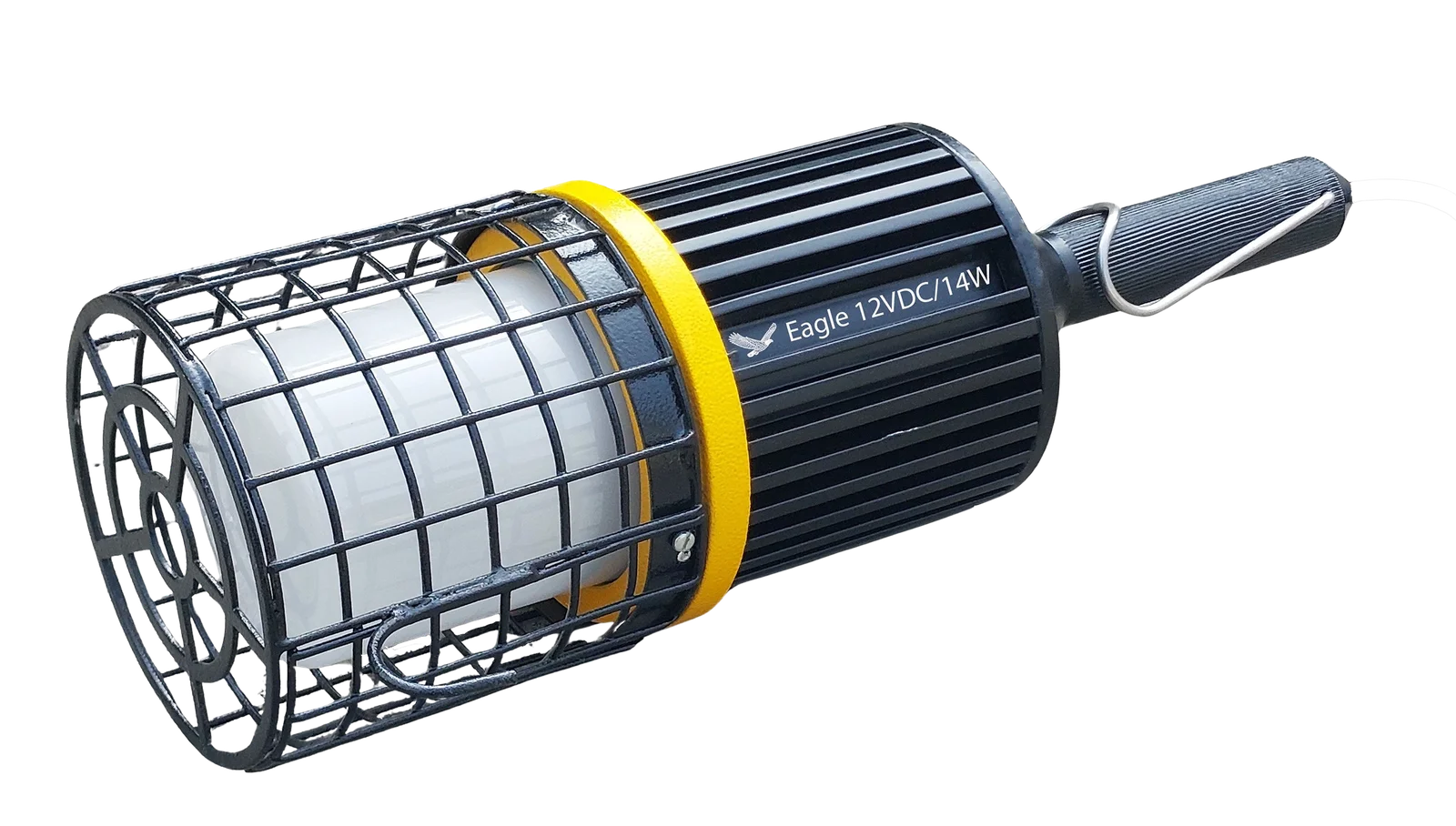
LED Hand Lamp: A Practical Lighting Solution for Industrial Inspection and Maintenance

Introduction
Good lighting is an important part of industrial maintenance. Whether a technician is examining machinery, checking equipment connections, or carrying out routine servicing, clear visibility makes it easier to observe components and complete tasks carefully. Fixed lighting may not reach every corner of a machine or work area, which is why portable lighting equipment is useful in many industrial environments.
An LED Hand Lamp provides movable illumination that can be directed towards the area being inspected. Compared with traditional lighting options, LED technology can offer efficient light output, a long operating life, and reduced maintenance requirements, depending on the product design and conditions of use. These qualities make portable LED lamps a practical option for workshops, maintenance departments, and industrial service teams.
Why portable lighting matters in industrial workplaces
Industrial equipment often contains narrow spaces, recessed components, and areas where shadows make visual inspection difficult. Workers may need additional light when servicing machinery, checking accessible parts, or examining equipment during scheduled maintenance.
A portable lamp allows the user to position light closer to the task instead of depending entirely on overhead fixtures. This flexibility can be useful in maintenance workshops, production facilities, equipment service areas, and mobile repair operations.
Suitable lighting also helps workers observe the condition of components more clearly. However, it should always be used alongside the correct maintenance procedures, personal protective equipment, and workplace safety practices.
Key features to consider when selecting an LED hand lamp
Not every portable lamp is designed for the same working conditions. Before choosing a model, buyers should review several technical and practical factors.
1. Light output and visibility
Lumens indicate the amount of visible light a lamp produces. A higher lumen rating may be useful when illuminating larger or darker work areas, but the required output also depends on the working distance, beam pattern, and nature of the task.
For close-up inspections, controlled illumination may be more useful than simply choosing the highest available brightness.
2. Operating voltage
The power supply is an essential specification. Industrial lamps may be designed for different DC or AC supplies, so the operating voltage must match the intended application.
For example, a 12 VDC model should only be connected to a compatible supply in accordance with the manufacturer's instructions. Buyers should also check the cable, connector, and power-source requirements before purchasing.
3. Housing and handle design
A hand lamp should be comfortable to hold and practical to position during routine work. Materials such as aluminium, ABS, and polycarbonate may be used in different parts of an industrial lamp.
The actual construction should be assessed according to the work environment, handling requirements, and manufacturer's specifications. Material choice alone does not guarantee resistance to every impact, chemical, or environmental condition.
4. Ingress protection rating
The IP rating helps users understand the level of protection a product provides against dust and water under defined test conditions. This is particularly relevant when lighting equipment will be used in workshops or other environments where dust or occasional splashes may occur.
For example, an IP54 rating does not mean a lamp is waterproof or suitable for immersion. If a worksite contains flammable gases, vapours, or combustible dust, buyers must verify that the equipment has the specific hazardous-area certification required for that location.
5. Ease of handling and maintenance
A portable light should be easy to inspect, store, and handle. Consider its weight, grip, cable arrangement, illuminated cover, and the manufacturer's guidance for cleaning and maintenance.
These practical details can make a difference when the lamp is used regularly by technicians or service personnel.
Applications of an LED hand lamp
Portable LED lighting can support different types of industrial work when the selected product meets the application's requirements.
-
Machinery inspection: Provides additional light when examining accessible machine components.
-
Maintenance workshops: Helps technicians illuminate workpieces and equipment during servicing.
-
Mobile service units: Offers portable illumination for compatible repair and inspection tasks at different locations.
-
Industrial equipment checks: Assists with visual examination during scheduled maintenance.
-
Electrical and control equipment servicing: Provides supplementary light where appropriate, provided all required isolation and electrical safety procedures are followed.
-
Production support: Helps workers view specific areas that may not receive sufficient light from fixed fixtures.
The right lamp depends on the operating environment, available power supply, required brightness, and any special safety requirements.
LED hand lamp versus traditional portable lighting
Traditional portable lights may use older light sources that consume more energy or require more frequent replacement. LED models can offer several practical advantages, although performance varies by design.
Energy use: LEDs can provide useful light with relatively low power consumption compared with many traditional lighting technologies.
Operating life: LED light sources often have a long rated life, which may reduce replacement frequency. Actual service life depends on operating conditions and product quality.
Heat management: LED lamps generally convert a smaller share of their energy into heat than many traditional light sources, but the housing and operating temperature still matter.
Maintenance requirements: A well-designed LED lamp may need fewer light-source replacements. Its cable, handle, housing, connections, and protective cover still require regular inspection.
Rather than comparing technology alone, buyers should consider the complete product specification and its suitability for the intended task.
Introducing Mimic Products' portable LED lighting
Mimic Products offers lighting equipment for industrial maintenance and inspection applications. Its hand lamp range includes models intended for different operating requirements, so buyers should review the individual product listing before choosing a suitable option.
One example is the Sparrow LED Hand Lamp specified for 12 VDC operation and 28 watts. The product listing gives an approximate light output of 2,800 lumens, an aluminium extruded housing, an ABS handle, a polycarbonate dome, and an IP54 protection rating.
These specifications can help maintenance teams assess whether the model fits their lighting needs. Before ordering, confirm the current product details, supply compatibility, warranty conditions, and any restrictions relevant to the intended workplace.
Safety tips for using portable industrial lighting
Choosing the right lamp is only one part of using portable lighting responsibly. A few routine practices can help maintain the equipment in suitable working condition.
-
Check the lamp, cable, connector, handle, and housing before use.
-
Confirm that the power supply matches the rated voltage.
-
Keep cables away from moving machinery, sharp edges, and walkways.
-
Position the light so that it does not obstruct the task or create unnecessary glare.
-
Disconnect the equipment before cleaning, following the manufacturer's instructions.
-
Stop using a lamp with damaged electrical components until it has been properly assessed.
-
Follow site procedures for machine isolation and electrical safety; portable lighting does not replace these controls.
-
Verify any required environmental or hazardous-area certification before using the lamp in specialist locations.
Regular care can help users identify visible damage early and keep lighting equipment ready for appropriate applications.
How to choose the right model for your requirements
Start by identifying where the lamp will be used and what kind of work it must support. A workshop technician may prioritise light output and comfortable handling, while a mobile service team may focus on power compatibility and convenient storage.
Next, compare the operating voltage, wattage, lumen output, construction materials, IP rating, cable arrangement, warranty, and maintenance guidance. Make sure every specification suits the actual working conditions rather than relying on a single feature.
If you are considering an LED hand lamp for regular industrial use, consult the manufacturer's product information and ask for clarification wherever a specification or application requirement is uncertain.
Conclusion
Portable lighting can make routine inspection and maintenance work more convenient by bringing illumination closer to the task. When selected carefully, an LED Hand Lamp can support machinery checks, workshop servicing, and other suitable industrial applications.
The best choice is not necessarily the brightest or most powerful model. It is the lamp whose voltage, light output, construction, protection rating, and handling characteristics match the job.
Mimic Products provides industrial lighting options for buyers to evaluate against these requirements. Review the product specifications and select a model that meets your workplace's practical and safety needs.

