

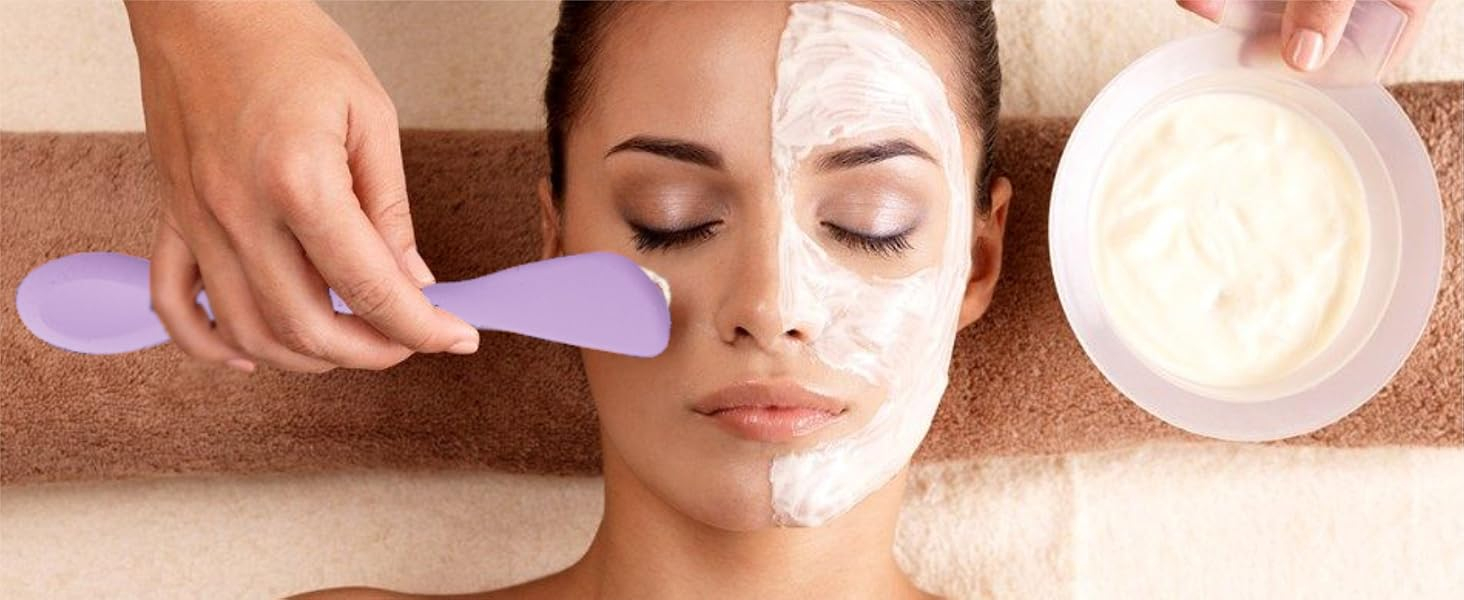

Healthy skin needs regular care, suitable products, and habits that support its natural condition. Facial treatment services help remove surface dirt, manage excess oil, improve hydration, and keep the skin feeling fresh. Professional facial treatment services offer care based on different skin types and concerns. These services can benefit people with dry skin, oily skin, uneven texture, clogged pores, or signs of aging. Choosing the right facial treatment helps support a consistent skin care routine without relying on products that may not suit the skin.
What Are Professional Facial Treatment Services?
Professional facial treatment services involve a series of skin care steps designed to clean, nourish, and refresh the face. A treatment may include cleansing, exfoliation, steam, extractions, a facial massage, a mask, and moisturizer. The exact steps depend on the service, skin type, and condition of the skin.
A professional skin care specialist begins by reviewing the client's concerns and current routine. This helps identify suitable products and treatments. For example, dry skin may benefit from moisturizing ingredients, while oily skin may need lightweight products that do not leave a heavy layer.
Facials also provide an opportunity to identify habits that may affect skin health. Harsh cleansers, excessive exfoliation, and unsuitable cosmetics can cause irritation. A suitable treatment plan focuses on the skin's needs rather than using the same method for everyone.
Benefits of Regular Facial Treatments
Regular facials can help maintain a clean and comfortable complexion. Cleansing removes makeup, sweat, oil, and environmental dirt from the skin's surface. Exfoliation helps loosen dead skin cells, which can improve the appearance of rough texture when performed correctly.
Hydrating treatments help reduce the tight feeling associated with dry skin. Facial masks can provide moisture or help absorb excess oil, depending on their ingredients. Gentle facial massage may also provide a relaxing experience and temporarily improve the appearance of the skin.
Professional facial care can support the following goals:
-
Keeping the skin clean, hydrated, and comfortable through suitable cleansing and moisturizing methods.
-
Improving the appearance of uneven texture and dullness with appropriate exfoliation and skin care products.
Results vary according to skin type, treatment ingredients, and home care habits. A facial cannot permanently remove wrinkles, eliminate every blemish, or replace medical care for skin conditions.
Choosing a Facial According to Skin Type
Facial Treatments for Dry Skin
Dry skin often feels tight after washing and may develop rough or flaky areas. A hydrating facial uses gentle cleansers, moisturizing products, and ingredients that help the skin retain water. Cream-based masks and moisturizers containing glycerin or hyaluronic acid may support hydration.
People with dry skin should avoid aggressive scrubbing and frequent use of strong exfoliating products. These methods can increase irritation and make dryness more noticeable.
Facial Treatments for Oily Skin
Oily skin produces more sebum, which can leave the face looking shiny. Excess oil can combine with dead skin cells and contribute to clogged pores. A facial for oily skin may include gentle cleansing and carefully selected products that help manage surface oil.
Oil free or noncomedogenic moisturizers can help maintain moisture without adding a heavy feeling. Removing every trace of oil is not necessary because the skin still needs its natural protective barrier.
Facial Treatments for Sensitive Skin
Sensitive skin can react to fragrance, heat, strong exfoliants, or certain cosmetic ingredients. A gentle facial should use mild products and avoid unnecessary friction. The specialist should ask about previous reactions before selecting products.
Beauty Salon Services can help identify some potential reactions, although it cannot guarantee that a product will never cause irritation. People with persistent redness, burning, or swelling should consult a qualified health professional.
Facial Treatments for Mature Skin
Mature skin may develop fine lines, dryness, and changes in texture. Hydrating products can temporarily soften the appearance of fine lines. Gentle exfoliation may improve surface smoothness when the skin tolerates it.
Daily sunscreen remains important because ultraviolet exposure contributes to premature skin aging. Professional facials can complement a skin care routine, but they do not replace sun protection or medical treatments when needed.
Common Types of Facial Treatments
A classic facial usually includes cleansing, exfoliation, moisturizing products, and a mask. It suits people who want basic skin maintenance and relaxation.
A hydrating facial focuses on moisture. It often uses moisturizing serums, masks, and creams to reduce the feeling of dryness.
An exfoliating facial targets dead skin cells and rough surface texture. The specialist may use a mild physical or chemical exfoliant. The strength and frequency should match the client's skin condition.
A deep cleansing facial focuses on removing surface buildup and addressing clogged pores. Extractions may form part of the service, but they require proper technique. Picking or squeezing blemishes at home can increase irritation and the risk of scarring.
Anti aging facials commonly use moisturizing ingredients and other products designed to improve the appearance of fine lines and uneven texture. Clients should understand that cosmetic treatments generally provide gradual or temporary visible improvements rather than permanent changes.
What Happens During a Professional Facial?
The appointment usually begins with a discussion about skin concerns, allergies, medications, and current products. The specialist then examines the skin and chooses a suitable treatment.
Cleansing removes surface impurities. Exfoliation follows when appropriate. Some treatments include steam or extractions, but these steps may not suit sensitive or inflamed skin. The specialist may then apply a mask and finish with moisturizer and sunscreen when appropriate.
Clients should communicate discomfort during the session. Burning, sharp pain, or unusual irritation should not be treated as a normal part of the experience.
After the facial, the specialist may recommend simple home care. Following these instructions helps maintain comfort and reduces the chance of irritation. Clients should avoid adding several new products immediately after a treatment.
How Often Should You Get a Facial?
The right schedule depends on the skin's needs, the treatment type, and the client's budget. Some people benefit from a facial every four to six weeks, while others need less frequent appointments.
Sensitive skin may require longer intervals between treatments. People using prescription skin products or receiving treatment for acne should ask their health professional whether certain facials are suitable.
Daily cleansing, moisturizing, and sun protection remain more important than relying on occasional appointments. Consistency at home helps maintain the benefits of professional skin care.
How to Prepare for a Facial Appointment?
Clients should arrive with information about allergies, skin reactions, medications, and recent cosmetic procedures. They should also mention active acne, cold sores, eczema, or any current irritation.
Avoiding strong exfoliants before the appointment may help reduce irritation, depending on the treatment. Clients should follow the specialist's specific preparation instructions instead of changing their routine without guidance.
After treatment, gentle cleansing and moisturizing usually help protect the skin barrier. Sun protection is especially important after exfoliating treatments because some procedures can increase sensitivity to sunlight.
Frequently Asked Questions
1. What are the main benefits of facial treatments?
Facial treatments help cleanse the skin, improve hydration, remove some surface buildup, and support a regular skin care routine. Their results depend on the treatment and the client's skin condition.
2. Which facial is best for dry skin?
A hydrating facial with gentle cleansing and moisturizing ingredients may suit dry skin. A specialist should assess the skin before selecting products.
3. Can facials help with acne?
Some facials may help manage surface oil and clogged pores. However, persistent or severe acne often requires medical treatment. Aggressive extractions can worsen inflammation.
4. How long does a facial treatment take?
Many standard facials take around 30 to 60 minutes. More detailed treatments may take longer, depending on the services included.
5. How often should I book a facial?
Many people schedule facials every four to six weeks, but the best interval depends on skin sensitivity, treatment type, and personal goals.
Conclusion
Professional facial treatment services provide a practical way to maintain skin cleanliness, hydration, and comfort. The right treatment depends on skin type, personal concerns, and suitable products. Regular home care and sun protection also play an important role in maintaining healthy looking skin. For people seeking professional beauty and skin care services, Masa Health Club is the best company for facial treatment services in Kohinoor City, Faisalabad, and its surrounding areas. Its services can help clients make skin care part of their regular personal care routine.

