

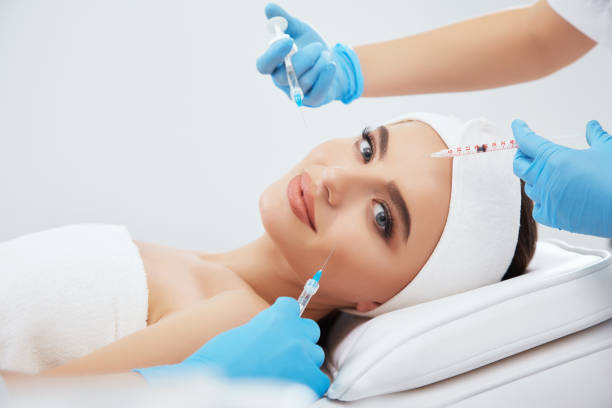

Exploring a new aesthetic treatment can raise questions about how it works, what the procedure involves, and whether it is suitable for your skin. Salmon DNA injections have gained attention in aesthetic medicine for their potential to support skin quality, hydration, and a smoother-looking complexion. For first-time patients, understanding the treatment before making a decision is especially important. salmon dna injection are an option some individuals explore when seeking improvements in skin texture and early signs of aging without focusing primarily on facial volume. Learning about the ingredients, treatment process, possible benefits, risks, and recovery can help patients approach the procedure with realistic expectations.
What Are Salmon DNA Injections?
Salmon DNA injections are aesthetic treatments that commonly contain purified DNA fragments called polynucleotides or related DNA-derived ingredients. These substances are processed from biological sources, often salmon or other fish species, and formulated for specific medical or aesthetic uses.
Polynucleotide-based products are designed to support the skin's repair environment and may help improve selected aspects of skin quality. Unlike traditional dermal fillers, which are primarily used to restore volume or reshape facial contours, these products are generally intended to address concerns such as texture, hydration, and elasticity.
However, formulations differ, and not every product marketed as a salmon DNA injection has the same ingredients, regulatory status, or evidence supporting its use. First-time patients should ask the treating professional which product will be used and what benefits can reasonably be expected.
How Do Salmon DNA Injections Work?
Skin health depends on several interconnected processes, including cellular activity, collagen maintenance, hydration, and tissue repair. Polynucleotides are being studied for their potential effects on biological pathways involved in tissue recovery and skin quality.
Supporting the Skin's Repair Environment
Some research suggests that polynucleotides may influence cellular signaling associated with tissue repair. These effects are being investigated for their possible role in improving the appearance and condition of treated skin. However, the mechanisms and clinical benefits are not fully established for every formulation.
Improving Skin Texture and Hydration
Certain patients seek these injections because their skin appears dull, dry, or uneven. Some clinical studies suggest potential improvements in skin texture and elasticity, although results vary according to the product, treatment protocol, and individual characteristics.
Addressing Early Signs of Aging
Fine lines and changes in skin firmness may become more noticeable as the skin ages. Polynucleotide-based treatments may offer modest improvements in selected skin-quality concerns, but they cannot stop natural aging or guarantee wrinkle removal.
Potential Benefits for First-Time Patients
Salmon DNA Injections in Riyadh may be considered by individuals looking for gradual improvements in skin quality. Potential benefits depend on the formulation and the patient's skin concerns.
-
Improved hydration: The treatment may help the skin appear more supple and refreshed.
-
Smoother texture: Some patients may notice improvements in the appearance of mild roughness or uneven skin.
-
Support for skin elasticity: Certain formulations are being studied for their potential effects on skin firmness and elasticity.
-
Subtle improvement in fine lines: Selected fine lines may appear less noticeable, although deeper wrinkles may require a different approach.
-
A personalized treatment plan: A qualified practitioner can tailor the treatment area and schedule to the patient's needs.
These outcomes are not guaranteed. Evidence remains developing, and patients should be cautious of claims promising dramatic or permanent skin transformation.
Who May Be Suitable for the Treatment?
Adults interested in improving skin texture, hydration, or selected signs of aging may wish to discuss salmon DNA injections with a qualified healthcare professional. A consultation is necessary to determine whether the treatment matches the patient's goals and medical history.
The practitioner should ask about allergies, medications, previous aesthetic procedures, and any conditions that could affect healing. Since some formulations contain fish-derived material, patients with a fish allergy must disclose it before treatment. The exact product ingredients and safety information should be reviewed carefully.
Treatment may need to be postponed if the skin has an active infection or significant inflammation. Pregnancy, breastfeeding, bleeding disorders, and other medical considerations should also be discussed because safety information may be limited for certain products or patient groups.
What Happens During Your First Appointment?
A first appointment typically begins with a skin assessment and a discussion of treatment goals. The practitioner should explain the product, its intended use, the injection technique, possible side effects, and realistic expectations.
The treatment area is usually cleansed before injections are administered. A topical numbing product may be used when appropriate to improve comfort. The practitioner then delivers the product through a series of small injections according to the planned technique.
The session length depends on the size of the treatment area and the method used. Patients may experience temporary discomfort, and small raised areas can appear at the injection sites immediately afterward. Before proceeding, ask the practitioner about the product's source, authorization for use, expected results, and available evidence.
Recovery and Aftercare
Recovery is often manageable, but individual experiences differ. Temporary redness, swelling, tenderness, bruising, or small injection-site bumps may occur. These effects often improve over several days, although some patients may need longer for the treated area to settle.
Following the practitioner's aftercare guidance can help support recovery. Patients should keep the area clean, avoid unnecessary touching or pressure, and postpone irritating skincare products or other facial procedures until advised that they are safe to resume. Avoid applying unapproved home remedies to injection sites.
Seek medical advice if pain increases, redness spreads, pus develops, fever occurs, or swelling becomes severe. Difficulty breathing or swelling of the lips or throat requires emergency medical attention.
How Many Sessions Will You Need?
The recommended number of sessions depends on the specific formulation, treatment area, skin concerns, and clinical protocol. Some products are used in a series of sessions, while others have different schedules or maintenance recommendations.
Salmon DNA Injections in Riyadh should be approached with an individualized plan rather than an assumed standard number of sessions. The practitioner should explain when improvements might become noticeable, how progress will be assessed, and whether further treatment is appropriate.
Results are generally not immediate, and any improvement may develop gradually over several weeks. The duration of benefits is not firmly established for every formulation, so patients should ask about the evidence supporting the proposed treatment schedule.
Are Salmon DNA Injections Safe?
No injectable procedure is entirely risk-free. Common temporary effects include redness, tenderness, swelling, and bruising. Less common complications can include infection, prolonged inflammation, or allergic reactions. The level of risk depends partly on the product, injection technique, patient health, and practitioner qualifications.
Choosing a qualified healthcare professional who uses an appropriate product and sterile technique is essential. Patients should avoid unverified products or injections performed in settings that cannot provide proper medical assessment and follow-up.
It is also important to recognize that scientific evidence for polynucleotide-based aesthetic treatments is still evolving. A responsible practitioner should discuss both the potential benefits and the uncertainties instead of guaranteeing results.
Conclusion
For first-time patients, salmon DNA injections may offer a potential option for improving selected aspects of skin quality, including texture, hydration, and the appearance of early signs of aging. Salmon DNA Injections in Riyadh require careful product selection, professional assessment, and realistic expectations because results and safety considerations vary. Understanding the procedure and following appropriate aftercare can help patients make more informed decisions about their skin. To discuss your concerns and explore suitable aesthetic options, schedule a consultation with Royal Clinic Saudia.

