

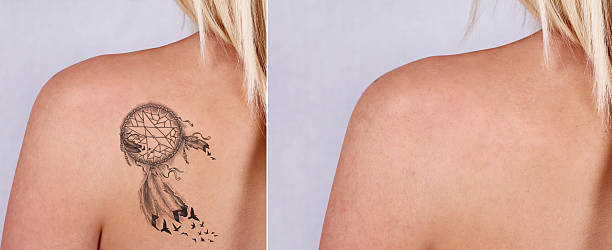

Tattoos can be a meaningful way to express individuality, celebrate memories, or represent personal beliefs. However, preferences can change, and a tattoo that once felt important may no longer suit your lifestyle. Modern dermatological treatments provide options for people who want to reduce unwanted tattoo pigment and improve their skin's appearance. Laser tattoo removal in Riyadh is a treatment that uses targeted laser energy to break down tattoo ink, allowing the body to gradually clear some of the pigment. Understanding the procedure, expected results, and aftercare can help you make an informed decision.
How Does Laser Tattoo Removal Work?
Laser tattoo removal works by delivering concentrated pulses of light into the skin. The laser targets tattoo pigments and breaks them into smaller particles, which the body's immune system gradually processes. Different laser wavelengths may be needed for different ink colours and skin characteristics. Key point: Tattoo removal usually requires multiple sessions because the skin needs time to recover and the body needs time to eliminate fragmented pigment.
Why Consider Laser Tattoo Removal?
People choose tattoo removal for various reasons, including changing personal preferences, professional considerations, or dissatisfaction with an old design. Some individuals want to remove an entire tattoo, while others prefer to fade it before getting a cover-up design. Laser treatment offers a non-surgical approach to reducing unwanted ink without cutting away the tattooed skin. Key point: Your treatment goals should guide the consultation and help determine the most appropriate approach.
Factors That Affect Tattoo Removal Results
Tattoo Colour and Ink Type
Tattoo colours respond differently to laser energy. Black and dark blue inks often respond well, whereas certain green, yellow, and light-coloured pigments can be more challenging. Ink composition and the type of laser used also influence treatment outcomes. Key point: A professional assessment helps identify suitable laser technology for your tattoo's colours.
Tattoo Size and Depth
Large tattoos generally require more time to treat than smaller designs. Ink placed deeply within the skin or applied in dense layers may also need additional sessions. Older tattoos sometimes fade more readily, although this is not guaranteed. Key point: Tattoo size, age, and pigment depth help determine the likely treatment schedule.
Skin Type and Healing
Your skin tone, sensitivity, medical history, and healing response can affect treatment planning. Incorrect laser settings may increase the risk of burns, scarring, or changes in skin pigmentation. A qualified practitioner should assess your skin before proceeding. Key point: Individualised treatment settings help support safer treatment and recovery.
What Happens During a Laser Tattoo Removal Session?
Before the procedure, the practitioner examines your tattoo, discusses your expectations, and reviews your medical history. Protective eyewear is provided, and the treatment area is prepared. The laser is then directed at the tattoo using appropriate settings. You may experience a snapping or stinging sensation during treatment, although discomfort varies. The session length depends on the tattoo's size and complexity. Key point: A consultation helps you understand the procedure and prepare for the experience.
How Can You Support Skin Recovery After Treatment?
After treatment, the area may become red, swollen, tender, or develop small blisters. These reactions can occur as the skin begins to heal. Follow the practitioner's aftercare instructions, keep the area clean, and use recommended products as directed. Avoid scratching, picking scabs, or exposing the treated skin to excessive sunlight. Key point: Proper aftercare can reduce the risk of infection and help protect the healing skin.
Can Laser Tattoo Removal Help You Achieve Clearer-Looking Skin?
Laser tattoo removal can gradually reduce visible tattoo pigment, helping the treated area look clearer as the ink fades. However, complete removal is not guaranteed, and some tattoos may leave faint pigment, textural changes, or scars. Results depend on the tattoo and the individual's response to treatment. Key point: Laser tattoo removal in Riyadh can help reduce unwanted ink, but realistic expectations are essential for satisfaction.
Who Is a Suitable Candidate for Tattoo Removal?
Many adults with unwanted tattoos may be suitable candidates, but treatment is not appropriate for everyone. Active skin infections, certain medical conditions, recent tanning, a history of abnormal scarring, or particular medications may affect eligibility. Your practitioner should also discuss any previous reactions to tattoo removal. Key point: A professional assessment helps identify potential risks and determine whether laser treatment is suitable for your skin.
Preparing for Your Tattoo Removal Appointment
Preparing properly can help make the treatment experience smoother. Follow your clinic's guidance about sun exposure, skincare products, and preparing the treatment area. Avoid tanning before your appointment, and tell your practitioner about medications, allergies, and existing skin concerns. Ask about expected recovery time and any activities you should avoid after treatment. Key point: Good preparation and clear communication support informed treatment decisions.
Book Your Laser Tattoo Removal Appointment
If you want to reduce unwanted tattoo pigment and achieve clearer-looking skin, consider arranging a professional consultation. Royal Clinic Saudi can help you discuss your concerns, understand the available treatment options, and learn what results may be realistic for your tattoo. Contact the clinic to arrange an appointment and receive guidance tailored to your needs.
FAQs:
1. Can laser tattoo removal make my skin completely clear?
It can significantly fade a tattoo, but complete removal is not guaranteed.
2. Is laser tattoo removal painful?
You may feel a brief snapping or stinging sensation during treatment.
3. How many sessions will I need?
The number varies depending on the tattoo's size, colour, depth, and your healing response.
4. Can I go out in the sun after treatment?
Protect the treated area from direct sunlight and follow your practitioner's aftercare instructions.

