


Subsea operations play an essential role in industries such as offshore oil and gas, marine engineering, underwater construction, telecommunications, and ocean research. These activities often take place in challenging underwater environments where visibility is limited, pressure is extremely high, and equipment must operate reliably for extended periods.
Managing such conditions requires accurate information about underwater equipment, environmental conditions, and operational performance. Modern monitoring technologies have made these tasks easier by providing real-time data, improving safety, and helping operators make informed decisions.
As offshore projects become more complex, the demand for reliable monitoring solutions continues to increase. Operators need technologies that can detect potential problems, track equipment performance, and provide valuable information without requiring constant human intervention.
Advanced monitoring solutions help reduce operational risks while improving efficiency and productivity across different subsea applications.
Understanding the Role of Subsea Monitoring Technology
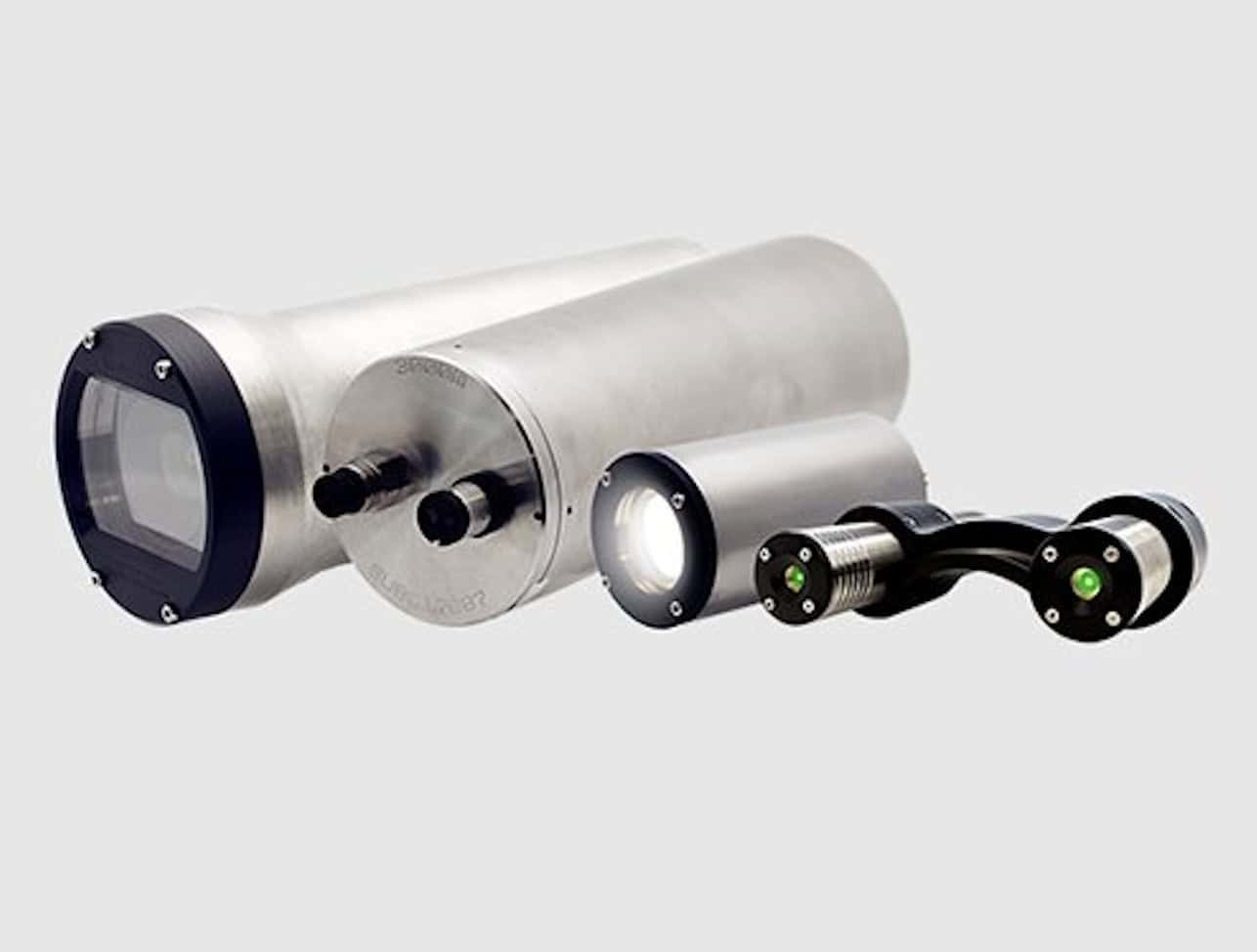
Subsea monitoring involves collecting and analyzing information about underwater equipment, structures, and surrounding environmental conditions. Specialized sensors, communication systems, cameras, and data-processing technologies work together to provide information from underwater locations.
These systems can monitor temperature, pressure, vibration, water depth, flow rates, and other important operating parameters. The collected information helps engineers understand how equipment performs under different conditions.
In offshore environments, even a minor equipment problem can lead to expensive repairs or operational interruptions. Continuous monitoring allows operators to recognize unusual changes before they develop into serious failures. This makes monitoring technology an important part of modern underwater infrastructure.
Improving Operational Safety
Safety is one of the most important considerations in subsea operations. Underwater environments present several challenges, including high pressure, unpredictable currents, poor visibility, and difficult access to equipment. These conditions make manual inspections complicated and sometimes dangerous.
Underwater monitoring systems provide operators with continuous information about equipment conditions and surrounding environments. Sensors can identify abnormal pressure levels, unexpected temperature changes, excessive vibration, and other warning signs.
When unusual readings are detected, maintenance teams can investigate the situation before it becomes a major safety concern. Early warnings also help operators take preventive measures and reduce the possibility of unexpected equipment failures.
Remote monitoring further reduces the need for divers to perform frequent physical inspections. This can minimize human exposure to hazardous underwater conditions while allowing technicians to focus on maintenance activities that genuinely require physical intervention.
Supporting Predictive Maintenance
Traditional maintenance approaches often depend on fixed inspection schedules or repairs performed after equipment problems occur. Although these methods can be useful, they do not always identify developing issues at the right time.
Predictive maintenance uses operational data to understand equipment health and estimate when maintenance may become necessary. Monitoring technologies collect information about performance changes, mechanical conditions, and operating patterns.
For example, vibration sensors can identify unusual movement in rotating equipment, while pressure sensors can detect irregularities in hydraulic systems. Temperature monitoring can also reveal excessive heat that may indicate friction, electrical problems, or mechanical stress.
By analyzing these readings, engineers can identify potential problems earlier and schedule maintenance activities accordingly. This approach reduces unnecessary inspections, prevents avoidable breakdowns, and helps extend equipment service life.
Predictive maintenance is particularly valuable in offshore locations where transporting technicians and replacement components can involve significant time and expense.
Increasing Equipment Performance and Reliability
Subsea equipment must operate consistently despite exposure to demanding environmental conditions. Connectors, cables, sensors, pipelines, and communication devices are regularly exposed to seawater, pressure variations, and changing temperatures.
Reliable monitoring helps operators understand whether these components are functioning within their expected operating limits. Performance information can reveal gradual deterioration, communication interruptions, and unusual operating patterns.
For example, monitoring electrical connections can help identify irregular power delivery, while communication monitoring can reveal signal interruptions between underwater devices and surface control stations.
These insights allow engineers to investigate performance issues before they affect larger operational systems.
When equipment operates reliably, offshore projects can maintain more consistent production levels, reduce downtime, and achieve better operational results. Continuous performance assessment also helps organizations identify opportunities to improve existing equipment configurations.
Enabling Real-Time Data Collection and Remote Control
One of the biggest advantages of modern subsea technology is the ability to collect information remotely. In earlier operational environments, engineers often depended on scheduled inspections and limited communication with underwater equipment.
Today, advanced sensors and subsea communication networks allow important operational information to reach control centers on the surface.
Real-time data enables operators to observe changing conditions and respond more quickly when adjustments are necessary. For example, engineers can monitor pipeline pressure, equipment temperature, and system performance without sending personnel underwater for every inspection.
Remote monitoring also supports automated control functions. Depending on system design, operators can adjust certain operating parameters, activate safety procedures, or modify equipment settings from accessible control locations.
This improves coordination between offshore personnel and engineering teams while reducing delays associated with manual inspections.
Reducing Operational Costs and Downtime
Unexpected equipment failures can create significant financial challenges for offshore projects. Repairs may require specialized vessels, remotely operated vehicles, replacement components, and experienced technicians.
In some situations, equipment failure can interrupt production and delay important project activities.
Monitoring technologies help reduce these expenses by providing early information about potential problems. Instead of waiting for a complete failure, maintenance teams can investigate warning signs and arrange repairs before the situation becomes more serious.
Another financial advantage comes from better maintenance planning. Operators can use collected data to determine which components require attention and which are still performing correctly.
This prevents unnecessary maintenance and helps organizations use their resources more efficiently.
Although installing advanced monitoring equipment requires an initial investment, the long-term benefits can include reduced downtime, fewer emergency repairs, improved productivity, and more predictable maintenance expenses.
How Hysfsubsea Supports Reliable Underwater Connectivity
Hysfsubsea focuses on subsea connectivity solutions designed for demanding underwater applications. Reliable cable assemblies and specialized watertight connectors are important components of monitoring networks because they help maintain dependable electrical connections and communication between underwater devices.
Solutions such as compact connectors, dry mate connectors, and underwater cable assemblies can support different installation requirements across marine engineering and offshore industries.
By providing connectivity products designed for challenging subsea environments, Hysfsubsea contributes to the infrastructure needed for reliable monitoring, equipment communication, and efficient underwater operations. Choosing suitable connectivity components is an important step toward building monitoring networks that deliver consistent performance.
Conclusion
Underwater monitoring technology has transformed the way offshore organizations manage equipment, infrastructure, and environmental conditions. From improving operational safety and supporting predictive maintenance to strengthening communication networks and reducing downtime, these solutions provide significant advantages for modern subsea projects.
The ability to collect real-time information allows engineers to identify potential problems earlier, make informed decisions, and manage underwater assets more efficiently. As sensor technology, automation, and data analytics continue to advance, monitoring capabilities will become even more valuable.

