

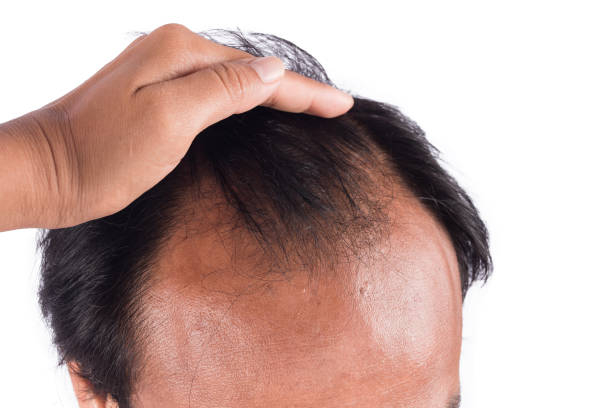

Hair thinning around the temples is a common concern among both men and women. It often appears as a gradually receding hairline, reduced hair density, or noticeable gaps near the front sides of the scalp. These changes can affect facial appearance and confidence, especially when hair loss becomes more visible over time. One non-surgical option that may help address early hair thinning is PRP Hair Treatment in Riyadh. This procedure uses the patient's own platelet-rich plasma to support weakened hair follicles and encourage healthier hair growth in suitable individuals.
The temples are particularly vulnerable to hair loss because genetic factors, hormonal changes, and ageing can gradually affect follicular activity in this region. As hair follicles become weaker, they may produce thinner strands or stop producing visible hair. PRP Hair Treatment in Riyadh aims to improve the scalp environment by delivering concentrated platelets containing growth factors to targeted areas. These growth factors may support follicular function, encourage cellular activity, and help improve hair thickness when viable follicles are still present.
Why Does Hair Loss Occur Around the Temples?
Temple hair loss can develop gradually or become noticeable over a relatively short period, depending on its underlying cause. In many cases, it is associated with androgenetic alopecia, commonly known as pattern hair loss. This condition causes genetically sensitive hair follicles to gradually shrink, resulting in thinner and shorter hair strands.
Several factors can contribute to thinning around the temples:
-
Genetics: Family history can influence the likelihood of developing a receding hairline.
-
Hormonal sensitivity: Sensitivity to dihydrotestosterone (DHT) can gradually shrink susceptible hair follicles.
-
Ageing: Hair density and growth patterns can change naturally with age.
-
Stress: Significant physical or emotional stress may contribute to temporary excessive hair shedding.
-
Nutritional deficiencies: Inadequate iron, protein, and other essential nutrients can affect healthy hair development.
-
Certain medical conditions: Thyroid disorders and scalp conditions may contribute to hair thinning.
Identifying the underlying cause is essential before choosing a treatment because different types of hair loss require different approaches.
How Does PRP Hair Treatment Help Temple Hair Growth?
Platelet-rich plasma (PRP) is prepared from a small sample of the patient's blood. The sample is processed using a specialised centrifuge to separate and concentrate platelets within the plasma. These platelets contain growth factors involved in natural tissue repair and cellular communication.
The prepared PRP is injected into selected areas of the scalp, including the temples when clinically appropriate. The treatment aims to support existing follicles and improve the local environment for hair growth.
Stimulating Weak Hair Follicles
Growth factors released by platelets may influence cells involved in hair follicle activity. This may help support weakened follicles that are still capable of producing hair.
Supporting Healthy Scalp Circulation
Hair follicles depend on an adequate supply of oxygen and nutrients. PRP may support biological processes associated with blood vessel formation, potentially improving the environment around treated follicles.
Encouraging the Hair Growth Cycle
Hair naturally passes through growth, transition, and resting phases. PRP may help support the active growth phase in certain individuals, potentially improving hair development in areas affected by thinning.
Improving Hair Thickness
When follicles become miniaturised, they produce increasingly fine and weak strands. PRP may help improve hair thickness in suitable patients by supporting the function of these existing follicles.
Can PRP Restore a Receding Hairline at the Temples?
PRP may help improve the appearance of a receding hairline when thinning is caused by weakened but functioning follicles. Individuals experiencing early-stage temple hair loss may be more suitable candidates because their follicles may still have the ability to produce hair.
However, PRP cannot reliably restore hair in areas where follicles have been permanently destroyed. Advanced baldness and long-standing hair loss may require alternative treatments, such as hair transplantation or other medically recommended options.
A professional scalp assessment can help determine whether the temples contain viable follicles and whether PRP is likely to provide meaningful improvement.
Who Is a Suitable Candidate for Temple PRP Treatment?
PRP may be considered for individuals experiencing early or moderate hair thinning around the temples. Suitable candidates may include people who have:
-
Early signs of a receding hairline.
-
Reduced hair density near the front sides of the scalp.
-
Miniaturised or weakened hair strands.
-
Increased hair shedding around the temples.
-
Early-stage pattern hair loss.
-
Existing follicles that may respond to treatment.
Individuals with certain blood disorders, platelet-related conditions, active scalp infections, or other medical concerns may require additional evaluation before undergoing treatment.
How Many PRP Sessions Are Needed for Temple Hair Growth?
PRP usually involves multiple treatment sessions because hair growth is a gradual biological process. The number and frequency of sessions depend on the patient's hair loss pattern, follicular condition, and response to treatment.
Some individuals may notice reduced shedding or changes in hair thickness over several months. Visible improvements in temple density can take longer, and results vary from person to person.
Maintenance sessions may also be recommended to help support longer-term improvements. Following professional aftercare instructions and addressing underlying causes of hair loss can contribute to better treatment management.
Is PRP Hair Treatment Safe for the Temple Area?
PRP is generally considered a minimally invasive treatment because it uses the patient's own blood components. When performed by qualified professionals using appropriate sterile techniques, it is generally well tolerated.
Temporary side effects may include:
-
Mild redness around injection sites.
-
Scalp tenderness or discomfort.
-
Minor swelling.
-
Temporary bruising.
-
Mild sensitivity in treated areas.
Patients should share their medical history and current medications during consultation to ensure the treatment is appropriate for their individual needs.
Why Consider PRP Hair Treatment in Riyadh?
Choosing an appropriate hair restoration treatment requires understanding the cause of thinning and the condition of existing follicles. PRP Hair Treatment in Riyadh offers a non-surgical approach that may help support weakened follicles without requiring hair transplantation. A personalised treatment plan can help address temple thinning while considering individual hair growth patterns, scalp health, and restoration goals.
Book Your PRP Hair Treatment Appointment at Royal Clinic Saudia
If you are noticing a receding hairline or reduced hair density around your temples, professional evaluation can help you explore suitable treatment options. Royal Clinic Saudia offers consultations to assess individual hair concerns and discuss personalised hair restoration approaches. Book an appointment to discover whether PRP therapy is suitable for your hair growth goals.
FAQs:
Can PRP grow new hair in completely bald temple areas?
PRP may support weakened follicles that are still functional, but it cannot reliably regenerate follicles that have been permanently destroyed. A scalp examination can help determine whether treatment may be beneficial.
How long does PRP take to improve temple hair growth?
Results develop gradually. Some individuals may notice changes in hair shedding or thickness within a few months, while visible improvements in density can take longer.
Is PRP effective for a receding hairline in men?
PRP may help certain men experiencing early-stage pattern hair loss by supporting existing follicles. However, results depend on follicular health and the severity of hair loss.
Can women also benefit from PRP treatment for temple thinning?
Yes, women experiencing certain types of non-scarring hair thinning around the temples may benefit from PRP. A professional assessment is important to identify the cause and determine treatment suitability.

