

Why the Box Decides Whether a Beauty Product Gets Picked Up
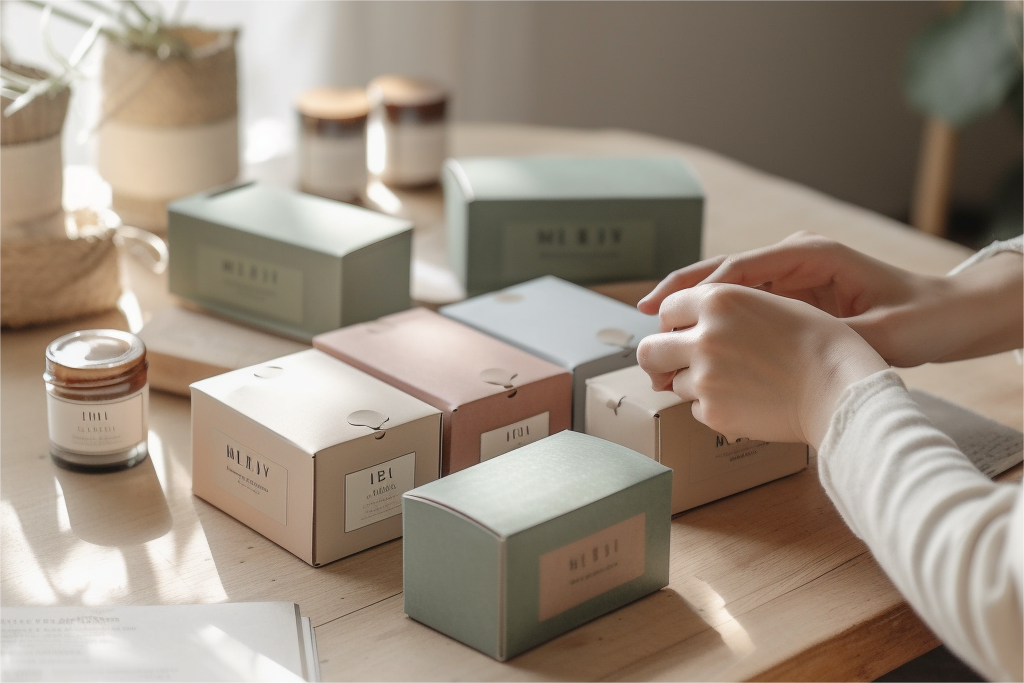
The right box protects the formula, tells shoppers who you are in a second, and gives them a reason to choose you over the next brand on the shelf. Custom Beauty Packaging Boxes do all three when the material, structure, and print are chosen with purpose. Here is how to get those choices right.
What Shoppers Notice Before They Read a Label
Think about the last time you wandered through a beauty aisle. You probably did not read ingredient lists first. You looked at colors, textures, and shapes, and your hand went to whatever felt right.
That instinct is backed by research. A widely cited survey by Dotcom Distribution found that 72% of American consumers say packaging design influences their purchase decisions. For a category built on emotion and self image, that number makes sense. A lipstick or serum is rarely a pure necessity, so the box becomes part of the product itself.
This is why many founders now treat packaging as a core part of the brand, not a last minute task before launch.
Choosing the Right Structure
Before you think about color or logos, decide what shape the box should take. The structure affects cost, protection, shipping weight, and how the unboxing feels.
Rigid Boxes for Premium Launches
Rigid boxes are thick, sturdy, and satisfying to open. They suit fragrance sets, skincare collections, and gift editions where the box may be kept long after the product is used. The trade off is price and weight, so they work best for higher margin items.
Folding Cartons for Everyday Ranges
Folding cartons are lighter and cheaper, and they ship flat to your warehouse. They are a smart match for lip balms, face creams, and serums that sell in volume. With good printing, a simple carton can still look polished.
Mailer Boxes for Subscriptions and Online Orders
If most of your sales happen online, mailer boxes deserve a look. They arrive ready to open, protect products in transit, and turn a delivery into a small event. Printing the inside can add a pleasant surprise without raising costs much.
Finishes That Earn Their Cost
Finishes are where budgets quietly balloon, so be selective. Each one should serve the brand, not just decorate the box.
Matte lamination gives a soft, modern feel and hides fingerprints well. Gloss suits bright, playful brands. Foil stamping adds a metallic accent to a logo, and embossing lifts a design so people can feel it. Spot UV highlights one detail against a matte background, which creates contrast without clutter.
A good rule is to choose one or two finishes and use them consistently. Custom Cosmetic Packaging Boxes that try to use five effects at once often look busy, and they cost more to produce. Restraint usually looks more expensive than excess.
Sustainability Without the Greenwashing
Shoppers are increasingly skeptical of vague green claims, and they can spot them quickly. If you want your packaging to feel responsible, back it up with real choices.
Look for recycled paperboard, FSC certified stock, and water based or soy based inks. Skip unnecessary plastic windows and heavy plastic lamination, which make recycling harder. Smaller, better fitted boxes also cut waste and reduce shipping costs.
Custom Beauty Packaging Boxes can carry a short, honest note about how to recycle them. That small detail builds more trust than a large leaf icon with no explanation behind it.
A Simple Process to Follow Before You Order
You do not need a huge team to get this right. A clear sequence keeps projects on track and avoids expensive reprints.
- Measure the product with its primary container, not just the formula inside.
- Decide the box style based on how the product is sold and shipped.
- Request a white sample or a printed proof before approving a full run.
- Test the box with a drop or pressure check, especially for glass bottles.
- Confirm the minimum order quantity and lead time in writing.
Ordering Custom Cosmetic Packaging Boxes without a physical sample is one of the most common ways brands end up with color shifts, loose fits, or crushed corners. A sample costs little compared with a rejected batch.
Common Mistakes to Avoid
The first mistake is designing for the screen instead of the shelf. Colors look different printed on paperboard, so always check against a physical proof. The second is overcrowding the front panel. Shoppers need the brand name, product type, and one clear benefit, and everything else can go on the back or sides.
A third mistake is ignoring regulations. Depending on where you sell, boxes may need ingredient lists, batch codes, net quantity, and usage warnings. Planning that space early saves you from awkward stickers later. When you work with Custom Cosmetic Packaging Boxes, build these requirements into the template from day one.
Finally, do not forget the inside. A tissue wrap, an insert card, or a printed pattern costs little and makes the experience feel complete.
Frequently Asked Questions
How long does it take to produce a custom box order?
Most orders take two to four weeks after final artwork approval, though rigid boxes and special finishes can take longer. Allow extra time for sampling and shipping.
What is a realistic minimum order for a new brand?
Minimums vary by supplier and box type. Digital printing often allows smaller runs of a few hundred units, while offset printing becomes more cost effective in the thousands.
Can I change my packaging design after the first run?
Yes, and many brands do. Keep your dieline and brand colors consistent, then update artwork, finishes, or inserts as your range grows.
Final Thoughts
Packaging is often the first real contact a customer has with your brand, so it deserves the same care as the formula inside. Choose a structure that fits how you sell, keep finishes purposeful, and always approve a physical sample. When Custom Beauty Packaging Boxes are planned this way, they protect your product, support your story, and give shoppers a reason to come back.

