

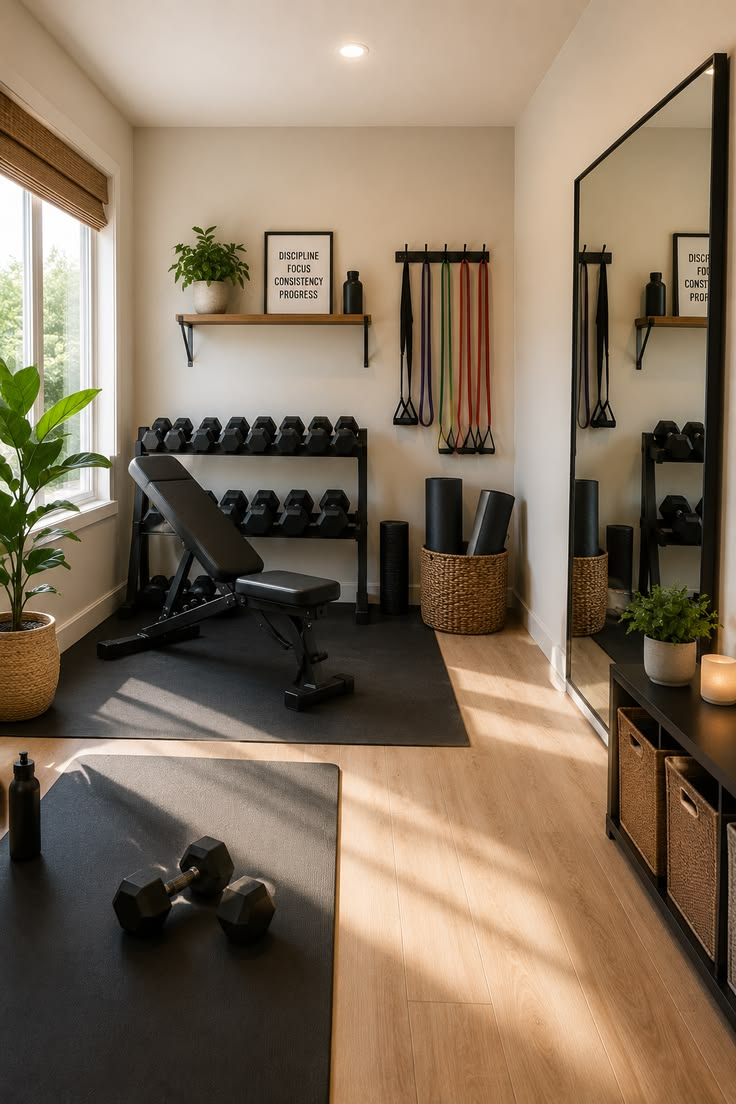

Staying fit doesn't always mean joining an expensive gym or travelling across the city for a workout. Sometimes, the best place to start exercising is right inside your home. The only problem is space. Not everyone has an extra room to turn into a fitness area, especially when living in an apartment where every corner has its own purpose. But does that mean you need to give up on having a home gym? Not at all.
With a little planning and the right equipment, even a small corner of your home can become a useful workout space. You don't need dozens of machines or heavy equipment. A few carefully selected fitness accessories, some free floor space, and a practical arrangement are enough to get started. Let's look at some simple ways to build a home gym setup without making your living space feel crowded.
1. Start by Choosing the Right Corner
Before purchasing any gym equipment, take a look around your home. Is there an unused corner in the bedroom? Perhaps a small section of the balcony or an empty space near the living room window? These areas could work well for your workout setup.
You don't need a separate room. Even a space of around 5 x 5 feet can provide enough room for basic exercises, depending on the movements and equipment you plan to use.
Keep a few things in mind while selecting the area:
-
Choose a spot with enough ventilation.
-
Make sure the flooring isn't slippery.
-
Keep the area away from furniture with sharp edges.
-
Look for a place with good lighting.
-
Leave enough room to stretch your arms and legs.
One thing I would suggest is avoiding a corner that is already filled with storage boxes or unused household items. A clean workout area feels more inviting, and you're less likely to skip exercise when everything is ready.
2. Pick Multi-Purpose Fitness Equipment
When space is limited, every piece of equipment should serve a purpose. Buying separate machines for every exercise isn't a practical idea for a small home gym. Instead, look for equipment that supports different types of workouts.
Here are some useful options:
-
Adjustable Dumbbells: These are useful for strength training, including shoulder presses, bicep curls, lunges and squats. Adjustable designs also save storage space.
-
Resistance Bands: They're lightweight and easy to store in a drawer. You can use them for stretching, strength exercises and mobility training.
-
Foldable Workout Bench: A foldable workout bench is a helpful addition for people who enjoy weight training. It supports exercises such as dumbbell presses, seated shoulder presses and step-ups.
-
Skipping Rope: A simple skipping rope doesn't take up much room and works well for cardio sessions.
-
Yoga Mat: Keep one nearby for floor exercises, stretching, yoga and abdominal workouts.
-
Kettlebell: A single kettlebell supports movements such as swings, goblet squats and deadlifts.
Don't rush to buy everything together. Start with two or three items that match your fitness routine, then add more equipment when you feel the need.
3. Make Use of Foldable and Compact Equipment
Large gym machines look impressive, but they aren't always suitable for apartments. They take up floor space even when you're not exercising.
This is where foldable fitness equipment makes a difference.
A foldable workout bench, for example, can be opened during exercise and stored under a bed or against a wall afterwards. Some compact exercise bikes and treadmills also come with folding designs, making them easier to manage in smaller homes.
Before buying any foldable equipment, check its dimensions in both open and folded positions. Also pay attention to its weight capacity, stability and locking mechanism. A compact design is useful, but safety should never take a back seat just to save a few inches.
4. Use Vertical Storage to Save Floor Space
Here's something many people forget while setting up a home gym: the walls.
When your floor area is limited, use the available vertical space. Wall-mounted racks, hooks and small storage shelves help keep fitness accessories organised without occupying the workout area.
For example, you can hang resistance bands, skipping ropes and exercise straps on wall hooks. Dumbbells can go on a dedicated rack, while yoga mats can be stored vertically in a holder.
A simple storage arrangement also makes cleaning easier. Instead of leaving equipment scattered around the room, you know exactly where everything belongs.
Just make sure wall-mounted storage is properly installed and suitable for the weight it needs to hold.
5. Create a Workout Area That Feels Comfortable
A home gym doesn't need to look like a professional fitness centre. Still, it should be a place where you enjoy spending time.
Start with comfortable flooring. A good-quality exercise mat or interlocking gym floor tiles provide a better surface for workouts and help protect the existing floor. They also reduce some of the noise created by exercise movements.
You could add a wall mirror if space allows. It helps you check your posture while performing exercises, especially during strength training.
Small additions also make a difference:
-
Keep a water bottle within reach.
-
Use a small fan for air circulation.
-
Place a towel nearby.
-
Keep a Bluetooth speaker for music.
-
Maintain enough lighting around the workout area.
There's no need to spend heavily on decoration. The idea is to create a comfortable space where you feel ready to exercise.
6. Plan Your Workout Routine Around Your Equipment
Buying gym equipment is one thing. Using it regularly is another.
A small home gym should support a routine that fits your daily schedule and fitness goals. You don't need to perform every type of exercise in one session. Divide your workouts into different days so the routine stays manageable.
For example:
|
Day |
Workout |
|---|---|
|
Monday |
Upper body strength training |
|
Tuesday |
Cardio and skipping |
|
Wednesday |
Lower body exercises |
|
Thursday |
Yoga and stretching |
|
Friday |
Full-body workout |
|
Saturday |
Light cardio |
|
Sunday |
Rest |
You can adjust this schedule according to your experience and fitness level. Beginners should start slowly, focus on correct exercise techniques and increase intensity as their strength improves.
Even a short workout session has value when you follow it consistently.
7. Keep Your Home Gym Organised
A small workout area gets messy very quickly if equipment doesn't have a fixed place. Dumbbells left on the floor, resistance bands lying around and exercise mats spread across the room can make the entire space difficult to use.
Develop a simple habit: put everything back after exercising.
Use storage baskets for smaller accessories, keep heavier equipment in a dedicated area and fold away equipment that isn't being used. If your home gym shares space with your bedroom or living room, this becomes even more important.
You should also check your equipment regularly. Look for damaged resistance bands, loose bench fittings or worn-out exercise mats. Small checks help keep your workout environment safe.
8. Avoid Spending on Equipment You Don't Need
It's easy to get carried away when shopping for home gym equipment. You see a new treadmill, a weight machine or an exercise bench and start imagining how useful it would be.
But think about your actual routine first.
If you enjoy bodyweight exercises, a yoga mat and resistance bands may be enough. If strength training is your priority, adjustable dumbbells and a foldable workout bench could be more useful. For cardio lovers, a skipping rope or compact exercise bike may make more sense.
Buy equipment based on the exercises you enjoy and intend to perform. A machine that sits unused in the corner isn't helping your fitness goals.
Final Thoughts
Building a home gym in a small space is more about smart choices than having a large collection of equipment. An unused corner, a foldable workout bench, adjustable dumbbells and a few basic accessories can give you a practical place to exercise.
Start with what you have. Make small changes, keep your equipment organised and choose exercises that fit your routine. Your home gym doesn't need to be perfect from the first day. It just needs to be a space where you feel comfortable showing up for your next workout.

