

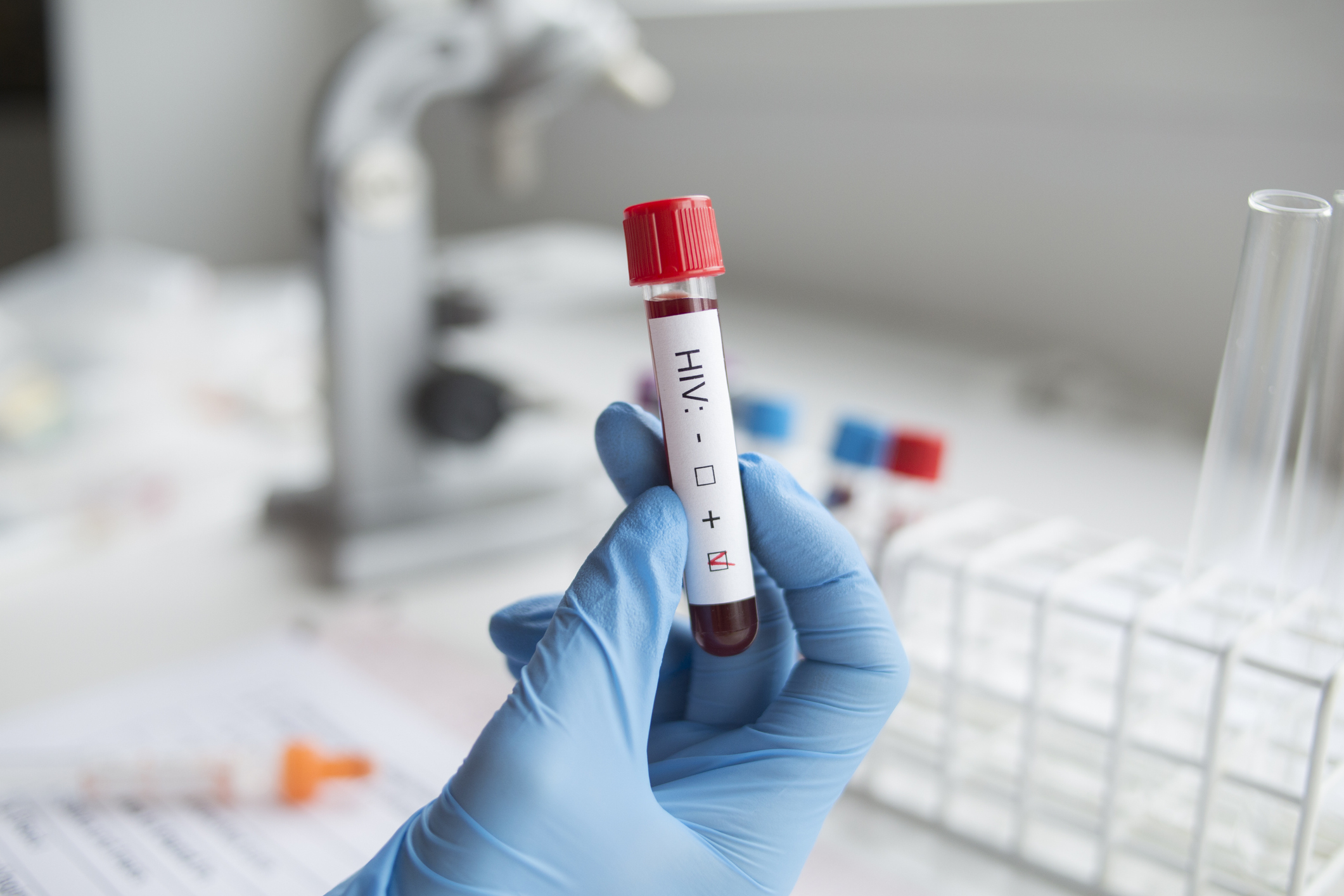
Knowing how often to get an HIV blood test is an important part of protecting your health and making informed decisions about sexual wellness. HIV (Human Immunodeficiency Virus) can affect anyone, regardless of age, gender, relationship status, or lifestyle. However, many people are unsure about when they should get tested, whether one negative result is enough, or how frequently they need repeat screening.
The answer depends on several factors, including your sexual activity, possible exposure to HIV, use of preventive medication, and previous test results. Some people only need routine screening, while others benefit from testing every three to six months.
An HIV Blood Test in Dubai helps detect infection, even when symptoms are absent. Understanding the recommended testing schedule can help you identify HIV early, access appropriate treatment, and reduce the possibility of transmitting the virus to others.
This guide explains recommended HIV testing frequency, the HIV detection window, different testing methods, and situations when additional screening may be necessary.
Understanding How Frequently HIV Testing Is Recommended:
There is no single testing schedule that works for everyone. Your ideal HIV screening frequency depends on your individual risk factors and medical circumstances.
For most adults, routine screening is an important starting point. People with ongoing exposure risks may need more frequent testing.
General recommendations include:
-
At least once: Most people should have at least one HIV test as part of routine healthcare.
-
Every year: People with ongoing potential exposure may benefit from annual HIV screening.
-
Every three to six months: Individuals with increased exposure risks may need more frequent testing.
-
After possible exposure: Testing should be arranged promptly, followed by repeat testing when appropriate to account for the HIV window period.
The purpose of regular HIV screening is not simply to confirm a person's HIV status. It also helps identify infections early, when effective treatment can protect long-term health.
Who Should Get an HIV Blood Test More Frequently?
Certain situations increase the importance of regular HIV testing. If you have ongoing exposure risks, waiting until symptoms appear is not a reliable approach because HIV can remain unnoticed for years without testing.
You may need more frequent HIV screening if you:
-
Have multiple sexual partners or regularly have new sexual partners.
-
Have unprotected vaginal or anal sex with partners whose HIV status is unknown.
-
Have a sexual partner living with HIV whose viral load is not confirmed to be undetectable.
-
Have previously been diagnosed with another sexually transmitted infection (STI).
-
Share needles, syringes, or other injection equipment.
-
Exchange sex for money, drugs, or other benefits.
-
Belong to a population with a higher prevalence of HIV.
For individuals with ongoing increased exposure risks, annual testing is generally recommended. Some people, including sexually active men who have sex with men, may benefit from screening every three to six months.
People taking pre-exposure prophylaxis (PrEP) also need regular HIV testing according to their medication schedule. This is important because PrEP is intended for HIV prevention, not treatment of an existing infection.
When Should You Get an HIV Test After Possible Exposure?
One of the most common questions about HIV testing is how soon someone can get an accurate result after potential exposure.
The answer depends on the type of HIV blood test used. Every HIV test has a detection window, which is the period between possible infection and the time when the test can reliably identify HIV.
Testing too early may produce a negative result even if infection has occurred.
Here is a general breakdown of HIV test detection windows:
|
HIV test type |
Typical detection window |
|---|---|
|
Nucleic acid test (NAT) |
10–33 days |
|
Laboratory antigen/antibody test |
18–45 days |
|
Rapid finger-stick antigen/antibody test |
18–90 days |
|
Antibody test |
23–90 days |
These timeframes apply to people who are not taking antiretroviral medications that may affect detection.
A laboratory-based fourth-generation HIV test detects both HIV antigens and antibodies, making it useful for identifying infections earlier than most antibody-only tests.
If your initial test is negative but was performed before the end of its detection window, you should repeat it at the appropriate time.
Important: If you may have been exposed to HIV within the past 72 hours, seek urgent medical advice about post-exposure prophylaxis (PEP). PEP can help prevent HIV infection when started as soon as possible and no later than 72 hours after exposure. Do not wait for a test result before seeking care.
How Often Should You Get Tested If You Have a Regular Partner?
Being in a committed relationship does not automatically eliminate the need for HIV screening. Both partners can benefit from knowing their HIV status, particularly before discontinuing barrier protection or making decisions about sexual health.
If both partners have tested negative after the appropriate detection windows and have no new exposure risks, frequent repeat testing may not be necessary.
However, testing may be appropriate again if:
-
Either partner has a new sexual partner.
-
One partner has a possible HIV exposure.
-
Either partner receives an STI diagnosis.
-
There is uncertainty about previous test results.
-
Either partner shares injection equipment.
Open communication and shared testing decisions can help couples maintain confidence in their sexual health.
Which HIV Blood Test Should You Choose?
Different HIV testing methods are available, and the best option depends on when exposure occurred and how quickly you need reliable information.
1. Fourth-Generation HIV Antigen/Antibody Test
The fourth-generation HIV test is commonly used in laboratories. It detects HIV-1 and HIV-2 antibodies and the p24 antigen associated with HIV infection.
A laboratory test using blood from a vein generally has a detection window of 18 to 45 days.
2. HIV Antibody Test
An antibody test identifies the antibodies produced by the immune system in response to HIV infection. These tests may use blood or oral fluid.
Most antibody tests can detect HIV within 23 to 90 days after exposure.
3. HIV RNA or NAT Test
A nucleic acid test detects HIV genetic material in the blood. It can identify infection earlier than standard antibody tests.
Its typical detection window is 10 to 33 days. Healthcare professionals may recommend this test when recent exposure or possible acute HIV infection is suspected.
Your healthcare provider can help select the appropriate test based on your exposure history and medical circumstances.
Does a Negative HIV Blood Test Mean You Are HIV-Free?
A negative HIV test is reassuring, but its reliability depends on when the test was performed and whether another exposure occurred afterward.
A negative result generally means HIV was not detected in the sample. However, if testing occurred during the window period, the result may not rule out infection.
For a more reliable interpretation, consider these points:
-
Confirm which HIV testing method was used.
-
Check how many days have passed since possible exposure.
-
Complete follow-up testing if recommended.
-
Consider any new exposure since your previous test.
-
Discuss additional testing with a healthcare professional if you take PrEP or PEP.
If you receive a negative result after the full detection window has passed, and you have had no further potential exposure during that period, the result is generally considered conclusive for that exposure.
How Often Should Pregnant Women Get an HIV Blood Test?
HIV screening is an important part of prenatal healthcare because early diagnosis and treatment can significantly reduce the risk of mother-to-child transmission.
Pregnant women are generally recommended to have an HIV test during their first prenatal appointment, even if they have previously tested negative.
Additional testing may be recommended during the third trimester, particularly for women with ongoing exposure risks or those living in areas with a high HIV prevalence.
If HIV is diagnosed during pregnancy, appropriate antiretroviral treatment and medical monitoring can greatly reduce the risk of transmission to the baby.
Testing recommendations may vary according to local healthcare guidelines and individual circumstances.
What Happens If Your HIV Test Is Positive?
Receiving a positive HIV screening result can feel overwhelming, but it is important to understand that an initial reactive result does not always represent a confirmed diagnosis.
Additional laboratory testing is needed to confirm the result.
If HIV infection is confirmed, a healthcare professional can recommend antiretroviral therapy (ART). Modern HIV treatment helps control the virus, protect the immune system, and support a long and healthy life.
With effective treatment, many people achieve an undetectable viral load. When an individual maintains an undetectable viral load, they do not transmit HIV through sex. This is commonly known as Undetectable = Untransmittable (U=U).
Early diagnosis also helps people access appropriate medical care, counseling, and preventive services.
Can You Have HIV Without Experiencing Symptoms?
Yes. Many people with HIV do not experience noticeable symptoms for years.
Some individuals develop flu-like symptoms during the early stages of infection, such as:
-
Fever and night sweats.
-
Sore throat.
-
Swollen lymph nodes.
-
Skin rash.
-
Muscle aches and fatigue.
-
Headache.
However, these symptoms are not specific to HIV and can occur with many other infections.
Likewise, the absence of symptoms does not mean someone is HIV-negative.
An HIV blood test is the most reliable way to determine your HIV status. Regular screening is especially important when there has been a possible exposure, regardless of whether symptoms are present.
Practical Tips for Maintaining a Regular HIV Testing Schedule:
Making HIV testing part of your routine healthcare can help reduce uncertainty and support better health decisions.
Consider these practical steps:
-
Know your testing history: Keep a record of previous HIV test dates and results.
-
Understand your exposure risks: Changes in sexual activity or other circumstances may affect how frequently you need screening.
-
Choose an appropriate test: Ask about fourth-generation HIV testing or other suitable diagnostic methods.
-
Follow the detection window: Avoid relying on a negative result obtained too soon after exposure.
-
Discuss preventive options: PrEP and condoms can help reduce HIV transmission risks.
-
Follow medical recommendations: Repeat testing when advised by your healthcare provider.
Confidential HIV testing services are available through many hospitals, laboratories, sexual health clinics, and community health organizations.
Frequently Asked Questions About HIV Blood Test Frequency:
1. How often should a healthy person get an HIV blood test?
Most adults should have at least one HIV test as part of routine healthcare. People without ongoing exposure risks may not need frequent repeat testing. Those with increased exposure risks should discuss annual or more frequent screening with a healthcare professional.
2. Should I get an HIV test every three months?
Testing every three months may be appropriate for individuals with ongoing increased exposure risks, including some sexually active men who have sex with men and people receiving certain HIV prevention services. Your testing schedule should reflect your circumstances.
3. Can an HIV blood test detect infection after seven days?
Most standard HIV blood tests cannot reliably detect infection just seven days after exposure. A NAT may detect HIV earlier than other tests, but its usual detection window is approximately 10 to 33 days.
4. Is a fourth-generation HIV test accurate after 45 days?
A laboratory-based fourth-generation antigen/antibody test can usually detect HIV within 18 to 45 days after exposure. A negative result after the full 45-day window is generally considered conclusive for that exposure when no factors, such as antiretroviral medication, affect detection.
5. Do I need an HIV test if I have no symptoms?
Yes, if you have never been tested or have experienced a possible exposure. HIV can remain asymptomatic for an extended period, so symptoms are not a reliable way to determine HIV status.
6. Can I get an HIV blood test more than once a year?
Yes. People with ongoing exposure risks, those taking PrEP, and individuals requiring follow-up after possible exposure may need testing more frequently than once a year.
7. Should I repeat an HIV test after a negative result?
You may need another test if your initial test was performed during the detection window. Once the appropriate window period has passed, repeat testing may not be necessary unless another potential exposure occurs.
Final Thoughts:
How often you should get an HIV blood Lab tests depends on your exposure history, sexual health, preventive medication, and previous test results. Most adults should have at least one HIV screening test, while individuals with ongoing exposure risks may benefit from annual or more frequent testing.
Understanding the HIV window period is equally important because an early negative result may not rule out infection. Choosing the appropriate fourth-generation HIV test, following medical recommendations, and arranging repeat screening when necessary can help you make informed decisions about your health.
Most importantly, HIV testing should be viewed as a routine part of preventive healthcare rather than something associated with judgment or stigma. Early detection provides access to effective treatment and helps people maintain healthier lives.
Medical Disclaimer: This article is intended for educational purposes only and does not replace professional medical advice, diagnosis, or treatment. Consult a qualified healthcare professional for personalized HIV testing recommendations.

