

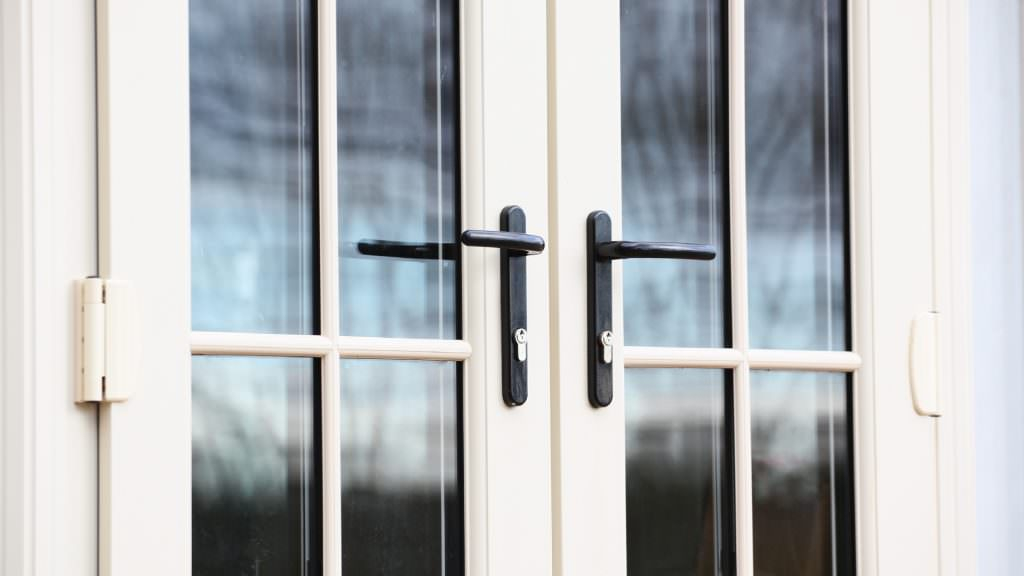

UPVC doors are popular in modern homes because they offer durability, energy efficiency, weather resistance, and relatively low maintenance requirements. However, like any frequently used household fixture, their handles can develop problems over time.
Daily use, changing temperatures, dirt accumulation, and general wear can affect how smoothly a door operates. Understanding these issues and knowing how to address them can help homeowners avoid unnecessary repairs and maintain proper door security.
Although many handle problems are relatively simple to resolve, some may indicate an underlying issue with the locking mechanism or door alignment. Recognising the warning signs early can prevent further damage and help extend the lifespan of the entire door system.
1. Loose Door Handles
One of the most common problems homeowners experience is a loose handle. Over time, repeated pulling and pushing can gradually loosen the screws holding the handle in place. This may cause the handle to wobble, feel unstable, or become difficult to operate.
How to fix it:
Start by locating the fixing screws, UPVC Door Handles, which are usually positioned beneath small covers on the handle plate. Remove the covers carefully and tighten the screws using an appropriate screwdriver. Avoid overtightening, as excessive pressure could damage the handle or its fixing points. If the screws no longer grip properly, replacement screws or professional assistance may be necessary.
Regularly checking the handle fittings can help prevent this issue from becoming more serious.
2. Handle Feels Stiff or Difficult to Turn
A stiff handle can make opening and closing a door frustrating. This problem may occur because of dirt inside the mechanism, insufficient lubrication, worn internal components, or pressure caused by poor door alignment.
How to fix it:
Begin by checking whether the handle moves freely when the door is open. If it operates smoothly with the door open but becomes stiff when closed, the problem may involve alignment rather than the handle itself.
Apply a suitable lubricant to the moving parts of the locking mechanism, following the manufacturer's recommendations. Avoid using excessive oil or unsuitable products that may attract dust and debris. If the stiffness continues, the gearbox or other internal components may require inspection.
3. Door Handle Dropping Down
Another frequent issue occurs when a handle no longer returns to its original horizontal position after being pressed. Instead, it hangs downwards or remains loose after use.
This problem is commonly associated with a weakened internal spring cassette, damaged spring mechanism, or general wear inside the handle assembly.
How to fix it:
First, inspect the handle for visible damage and check whether the fixing screws are secure. If tightening the screws does not solve the problem, the internal spring mechanism may need replacing.
Some handles have replaceable spring cassettes, while others require complete replacement. Choosing a compatible replacement is important to ensure smooth operation and proper fitting.
4. Handle Spinning Without Engaging the Lock
A handle that spins without operating the locking mechanism can be particularly concerning because it may prevent the door from opening or securing properly.
This problem often develops when the spindle becomes damaged, disconnected, or incorrectly positioned. The internal gearbox may also be worn or broken.
How to fix it:
Check whether the spindle connecting the two handle sections is properly fitted. If it is damaged or excessively worn, replacing it with a compatible component may restore normal operation.
However, if the spindle is functioning correctly, the problem could be inside the gearbox. A professional locksmith or door repair specialist can identify the damaged component and recommend an appropriate replacement.
5. Handle Becoming Difficult to Lift
Many UPVC doors use a multipoint locking system that requires the handle to be lifted before the key can turn. If lifting the handle becomes difficult, the problem may not be caused by the handle itself.
Common reasons include door misalignment, worn locking points, damaged hinges, or a failing gearbox.
How to fix it:
Open the door and test the handle independently. If it lifts easily while the door is open, check whether the locking points are meeting the corresponding keeps correctly.
Door hinges may need adjustment to restore proper alignment. However, adjustments should be made carefully because incorrect positioning can create additional problems. If the handle remains difficult to lift even with the door open, have the locking mechanism inspected.
6. Broken or Damaged Handle Components
Physical damage can occur through accidental impact, excessive force, poor-quality materials, or years of regular use. Cracks, bent sections, and broken fixing plates can affect both appearance and functionality.
How to fix it:
A severely damaged handle should generally be replaced rather than repaired. Before purchasing a replacement, measure the existing handle and check its fixing centres, spindle dimensions, and overall compatibility.
Selecting a durable replacement made from suitable materials can improve reliability and reduce the likelihood of repeated problems.
7. Handle Feels Wobbly After Replacement
Sometimes a newly installed handle may still feel unstable. This can happen when the replacement is incorrectly sized, the screws are unsuitable, or the fixing points do not align properly.
How to fix it:
Remove the handle and compare its dimensions with the original fittings. Check that the spindle length is correct and that the screw positions match the door's existing fixing points.
Reinstall the handle carefully, ensuring both sides are aligned correctly. If the fittings remain loose, a compatible replacement kit may be required.
8. Problems Caused by Dirt and Poor Maintenance
Dust, moisture, and everyday dirt can gradually affect the appearance and performance of door hardware. Although these factors may seem minor, accumulated debris can interfere with moving components and contribute to premature wear.
How to fix it:
Clean the exterior handle regularly using a soft cloth and mild soapy water. Avoid abrasive cleaning products that could damage protective finishes.
Inspect the surrounding fittings for signs of corrosion, loose screws, or unusual movement. Lubricate the appropriate mechanical components when necessary, following the manufacturer's instructions.
9. When Should You Replace a UPVC Door Handle?
Not every problem requires a complete replacement. Loose screws, minor stiffness, and basic alignment issues can sometimes be resolved with simple maintenance.
However, replacement may be the better option when the handle is cracked, severely corroded, repeatedly becoming loose, or no longer operating correctly despite adjustments.
Before ordering a new component, check the dimensions carefully. Important measurements include the distance between fixing screws, the spindle length, and the distance between the spindle centre and keyhole centre where applicable.
Choosing the correct replacement ensures compatibility with the existing locking system and helps maintain the door's security.
10. Preventive Maintenance Tips
Preventive maintenance is one of the easiest ways to reduce repair costs and keep door hardware working efficiently. A few simple habits can make a noticeable difference.
- Check screws regularly: Inspect the handle fittings and tighten loose screws when necessary.
- Keep handles clean: Remove dirt and moisture using suitable cleaning products.
- Lubricate moving parts: Use manufacturer-approved lubricants to maintain smooth operation.
- Avoid excessive force: Never force a stiff handle because this can damage internal components.
- Inspect door alignment: Check that the door closes properly without excessive pressure.
- Address problems early: Investigate unusual noises, stiffness, or loose fittings before they become serious.
Following these practices can help homeowners maintain reliable door operation throughout the year.
How Upvcmaintenance Can Help
Upvcmaintenance provides a useful point of reference for homeowners looking to understand UPVC door maintenance, common hardware problems, and suitable repair solutions. Keeping door fittings in good condition requires attention to small details, including handle alignment, screw security, locking components, and regular cleaning.
By focusing on practical maintenance and timely repairs, homeowners can improve the functionality and lifespan of their doors. Whether dealing with loose fittings, stiff mechanisms, or replacement requirements, having access to relevant maintenance information can make it easier to identify problems and choose appropriate solutions.
Conclusion
Door handle problems can affect convenience, everyday security, and the overall performance of a home's entrance. Fortunately, many common issues can be prevented or resolved through regular inspections, appropriate cleaning, and timely repairs. Understanding the difference between minor handle problems and more serious locking mechanism faults is particularly important.
By choosing compatible replacement components and avoiding excessive force during operation, homeowners can maintain dependable door functionality. When repairs involve damaged gearboxes, complex locking systems, or persistent alignment problems, seeking professional assistance is the safest approach. With proper care and attention, quality upvc door handles can continue providing reliable operation and security for many years.

