

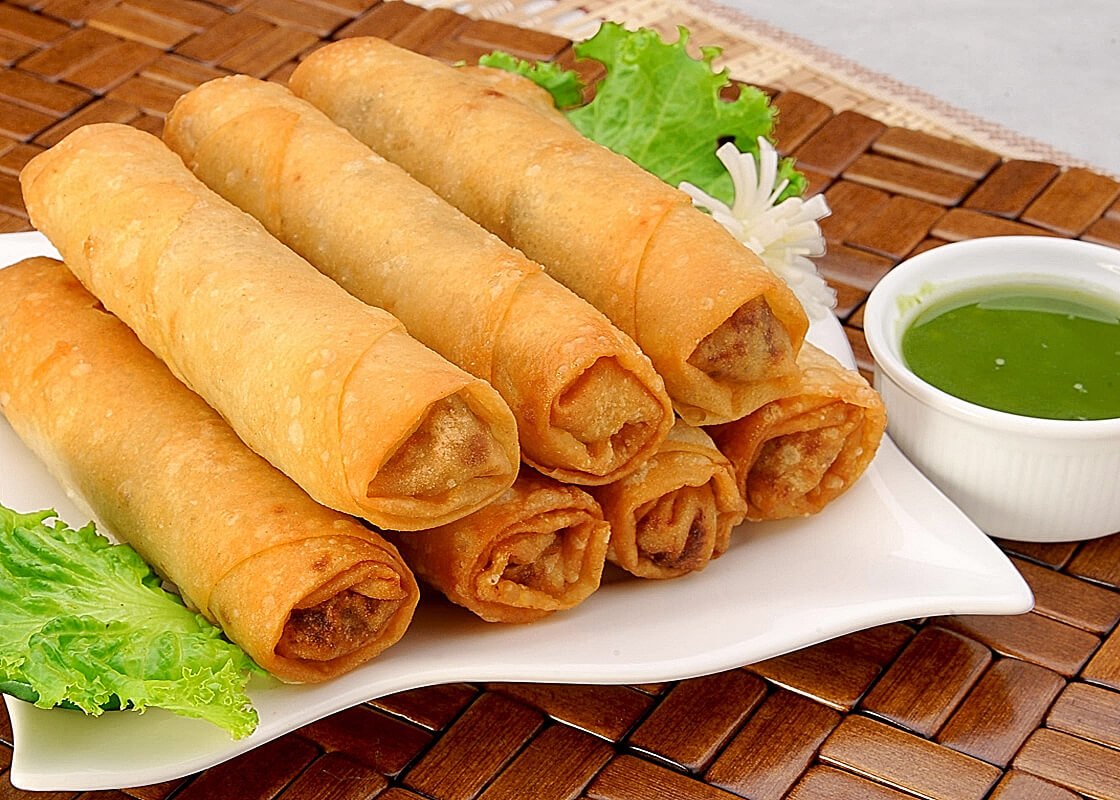

Choosing the right snacks for your family is an important part of maintaining a convenient and enjoyable food routine. Whether you need something for evening tea, children's lunchboxes, weekend gatherings, or unexpected guests, frozen snacks can make everyday meal preparation easier. They offer convenience, variety, and flexibility, allowing families to prepare something delicious without spending hours in the kitchen.
However, not all frozen snacks offer the same quality. Factors such as ingredients, packaging, storage conditions, nutritional information, and preparation requirements can influence the overall experience. Knowing what to look for before purchasing frozen food can help you make better decisions and select products that suit your family's preferences.
From chicken rolls and nuggets to samosas and other ready-to-cook options, there are several choices available. Here are some practical tips to help you choose quality frozen snacks for your family.
1. Check the Ingredients Carefully
The first thing to consider when purchasing frozen snacks is the ingredient list. Ingredients provide useful information about what a product contains and help you understand its overall composition.
Look for clearly listed ingredients and check whether the product contains chicken, vegetables, flour, seasonings, or other components relevant to the snack.
If your family has particular dietary preferences, reviewing the ingredients becomes even more important. For example, some people prefer snacks with chicken-based fillings, while others may look for vegetable options.
You should also check for ingredients that family members may be allergic to, such as milk, soy, wheat, or specific spices. Reading the packaging carefully helps you make informed purchasing decisions.
2. Examine the Packaging Quality
Packaging plays an important role in protecting frozen snacks during transportation and storage. Good packaging helps maintain product quality and protects the food from contamination and exposure to freezer air.
Before purchasing, inspect the packaging for visible damage, tears, leaks, or broken seals. Avoid products with packaging that appears compromised.
You should also check whether the packaging contains clear product information, including the product name, ingredients, manufacturing details, expiry date, and storage instructions.
Another important consideration is freezer burn. Excessive ice crystals inside the packaging or dry, discoloured areas on the food may indicate temperature fluctuations or prolonged storage. While appearance alone cannot confirm food safety, it can help identify products that may have experienced poor storage conditions.
3. Always Check the Expiry and Manufacturing Dates
Dates printed on frozen food packaging provide important information about product freshness and recommended consumption periods.
Before purchasing, check the manufacturing date and expiry or best-before date. Choose products that are within their recommended consumption period and allow sufficient time for storage at home.
Avoid purchasing products with missing, unclear, or altered date information.
It is also important to understand that freezing does not mean food can be stored indefinitely. Although freezing slows microbial growth, maintaining the recommended temperature is essential for preserving food quality.
Make checking product dates a regular habit whenever you purchase frozen snacks for your family.
4. Consider the Storage Conditions
Even a properly manufactured frozen snack can lose quality if it is not stored correctly. Temperature control is one of the most important factors when purchasing frozen food.
Check whether the product is displayed in a properly functioning freezer. Frozen snacks should remain solidly frozen rather than appearing partially thawed.
Avoid purchasing products that appear to have been repeatedly thawed and refrozen. Temperature fluctuations can negatively affect texture and overall quality.
Once you bring frozen snacks home, transfer them to your freezer as soon as possible. Follow the storage temperature mentioned on the packaging and avoid leaving the products at room temperature for extended periods.
For best results, maintain your freezer at approximately -18°C or below.
5. Look for Reliable Food Brands
The brand you choose can make a difference when purchasing frozen snacks. A reliable food brand should provide transparent product information, appropriate packaging, and clear storage and cooking instructions.
Before purchasing, explore the brand's website, available product range, and customer feedback. Look for information about product ingredients, manufacturing practices, and food handling standards.
Brands that communicate clearly about their products make it easier for customers to understand what they are purchasing.
For example, Orange Foods Expert offers frozen food options for households looking for convenient snacks and ready-to-cook products. Exploring a brand's product descriptions can help you identify options that match your family's preferences.
6. Compare Nutritional Information
Convenience should not be the only consideration when choosing frozen snacks. Nutritional information can help you understand how a product fits into your family's overall eating habits.
Check the nutrition label for important details such as:
-
Calories: Understand the energy provided per serving.
-
Protein: Check the amount of protein in chicken-based snacks.
-
Fat: Review total fat and saturated fat content.
-
Sodium: Consider the salt content, particularly when managing daily sodium intake.
-
Carbohydrates: Check the amount of carbohydrates per serving.
Compare similar products instead of relying only on marketing descriptions. Also, pay attention to serving sizes because nutritional values can differ depending on how much food you consume.
For a more varied snack routine, serve frozen snacks alongside fresh vegetables, salads, or other nutritious foods.
7. Choose Snacks That Match Your Family's Preferences
Every family has different food preferences. Some members may enjoy spicy chicken snacks, while others prefer mild flavours or vegetable-based fillings.
Consider the preferences of everyone in your household before purchasing large quantities of frozen food.
You can explore different options, including:
-
Chicken rolls for savoury evening snacks.
-
Chicken nuggets for quick family meals.
-
Vegetable samosas for people who prefer meat-free options.
-
Frozen fries as a side dish.
-
Chicken patties for convenient snack servings.
Having different options available can make snack time more enjoyable and prevent repetitive food choices.
If you are purchasing a product for the first time, consider starting with a smaller pack to see whether your family enjoys its taste and texture.
8. Read the Cooking Instructions
Cooking instructions are another important factor when selecting frozen snacks. Different products may require different preparation methods, temperatures, and cooking durations.
Some frozen snacks are suitable for deep frying, while others can be prepared in an oven, air fryer, or frying pan.
Before purchasing, check whether the cooking method is compatible with the equipment available in your kitchen.
Clear instructions should explain how to prepare the product properly. Always follow the manufacturer's recommendations and ensure chicken-based snacks reach a safe internal temperature of 74°C.
Avoid assuming that a product is fully cooked simply because it is frozen or partially browned. Check the packaging to determine whether it is raw, partially cooked, or fully cooked before preparation.
9. Consider Convenience and Portion Sizes
Frozen snacks are particularly useful for families with busy schedules. However, choosing appropriate pack sizes can make storage and meal planning easier.
If you have a small household, smaller packs may be more practical because they take up less freezer space and can be consumed more easily.
Larger packs may be suitable for bigger families or households that regularly host guests.
Consider how frequently your family consumes frozen snacks and how much freezer space is available before purchasing.
Choose packaging that allows you to prepare the required quantity without unnecessarily exposing the remaining food to temperature changes.
10. Maintain Safe Food Handling Practices
Selecting quality frozen snacks is only one part of responsible food preparation. Proper handling at home is equally important.
Keep frozen products in the freezer until you are ready to prepare them. If thawing is required, follow the manufacturer's instructions and use safe refrigeration methods.
Never leave frozen chicken products sitting at room temperature for extended periods. Keep raw and ready-to-eat foods separate to avoid cross-contamination.
Use clean cooking utensils and surfaces, and ensure food is thoroughly cooked before serving.
These simple practices can help your family enjoy frozen snacks while maintaining better food hygiene.
Conclusion
Choosing quality frozen snacks for your family involves more than selecting products based on taste or price. You should consider ingredients, packaging, expiry dates, storage conditions, nutritional information, cooking instructions, and the reliability of the food brand. These factors can help you make informed purchasing decisions and find convenient options that suit your household's needs.
Orange Foods Expert provides frozen food options for families looking to make everyday snack preparation simpler. Whether you enjoy chicken rolls, nuggets, or other ready-to-cook products, choosing carefully packaged and properly stored food is essential. When exploring Frozen Chicken Rolls in Pakistan, consider product quality, ingredients, and preparation instructions to find a convenient snack option for your family.

