

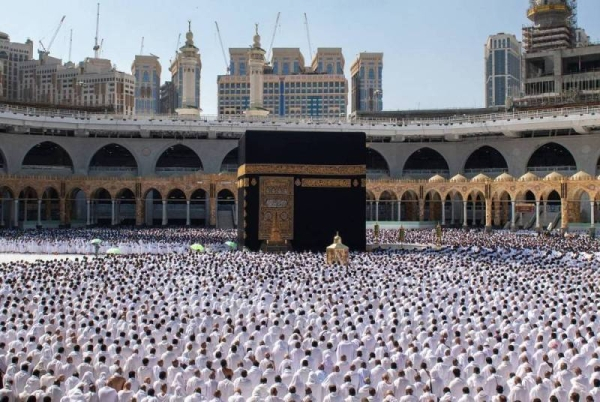

Booking is only one part of an Umrah trip. The weeks before you fly decide how calm or how stressful the journey feels: whether your passport is in order, whether you have seen a travel clinic in time, whether you know what happens when you land in Jeddah, and whether your body is ready for the amount of walking involved.
A 4-star package takes care of the main arrangements, but you still have preparing to do. This guide sets out a practical plan for pilgrims travelling from the UK, from first decisions through to the journey home.
Step 1: Decide Your Dates and Length
Start with when you can go and for how long. Your dates affect almost everything else, including price, hotel choice and how crowded the Haram will be.
-
Peak periods. Ramadan and school holidays are the busiest times, and prices and demand rise accordingly. Ramadan 2027 is expected to begin around February, subject to the moon sighting.
-
Quieter periods. Travelling outside school holidays often gives you more choice and a calmer atmosphere.
-
Length of stay. Seven to fourteen nights is common. Think about how you want to divide your time between Makkah and Madinah, and how much rest you will need between acts of worship.
If you are travelling with children or older relatives, build in rest days. A slightly longer trip that allows a slower pace is often more rewarding than a short, packed one.
Step 2: Check Your Documents Early
Make sure everyone in your party has a valid passport, and check the current entry requirements on the UK government's travel advice page for Saudi Arabia. Passport validity rules are commonly stated as at least six months on arrival, but confirm the latest wording for your own circumstances, including any differences for children.
If anyone needs to renew a passport, do it first. Processing times can vary, and a visa application cannot move ahead without a valid document.
Step 3: Sort Out Your Health Preparations
Health preparation deserves more attention than it usually gets. Saudi Arabia's Ministry of Health publishes specific health requirements and recommendations for Umrah pilgrims, and the UK's TravelHealthPro service provides guidance for travellers from the UK. UK health guidance for pilgrims also suggests making sure routine vaccinations such as MMR are up to date.
Book an appointment with your GP or a travel clinic well before departure, because some vaccines need time between doses or to take effect. Tell them about any long-term conditions, medications and mobility issues. If you take regular medication, ask about carrying it, keeping it in its original packaging and bringing a doctor's letter.
Also arrange comprehensive travel insurance. Check that it covers medical care abroad, cancellation and any pre-existing conditions.
Step 4: Choose and Book Your Package
Once your dates and documents are clear, you can start comparing 4-star options. Look for named hotels with walking times, flight details, baggage allowance, transfers, ziyarah arrangements and ATOL protection if flights are included. A 4-star package generally sits between budget and luxury, with more comfort and often better locations than economy options, though the label is not standardised, so judge each hotel individually.
It helps to read a provider's package listings to see how clearly they present this information. For instance, the 4 star Umrah Packages page from Alkareem Travel lists each option's hotels, walk times, UK departure airports and inclusions, which gives you a template for the questions you should expect any provider to answer.
Ask how Nusuk is handled. Saudi Arabia's official platform is now central to Umrah, and current guidance indicates that visa applications depend on confirmed hotel and transport bookings made through approved channels. Your provider should be able to explain which parts they manage and which parts you need to do yourself.
Step 5: Prepare Practically
With the booking made, move on to the practical side.
Get your body ready
Umrah involves a lot of walking, standing and sometimes crowds. In the weeks beforehand, build up your daily walking and wear in your footwear. Comfortable, supportive shoes or sandals matter more than almost anything else you pack.
Pack sensibly
A short checklist helps:
-
Ihram garments, if you need them, and spare sets.
-
Light, breathable clothing and a layer for air-conditioned spaces.
-
A small bag for use at the Haram.
-
Unscented toiletries suitable for ihram.
-
Medication and a copy of any prescriptions.
-
A power bank and a phone charger with the right adaptor.
-
Copies of your passport, visa and booking confirmation, stored both on paper and on your phone.
Remember that you may want room in your suitcase for the journey home, and check the airline's baggage limit before you fill it.
Handle money and communication
Carry some cash for small purchases, but do not rely on it for everything. Tell your bank you are travelling and check card charges abroad. Look into your mobile network's roaming charges or an eSIM so you can stay in touch with your group and family.
Learn the rituals in advance
Pilgrims often feel more confident when they understand each stage before they begin. Read a reliable guide to the steps of Umrah, ask your imam or a knowledgeable person if you have questions, and note any specific guidance your provider or group leader gives you.
Step 6: Plan the Travel Day
On the day, aim to reach the airport early and keep important documents in your hand luggage. Check in, confirm your baggage allowance and keep your booking confirmation accessible.
On arrival in Jeddah or Madinah, you will go through immigration and collect your luggage before meeting your transfer. If a transfer is part of your package, confirm beforehand where and how you will meet your driver or representative. Having a contact number saved on your phone avoids a lot of confusion after a long flight.
Step 7: Pace Yourself in Makkah and Madinah
A 4-star hotel gives you a comfortable base, and it is worth using it well.
-
Rest between prayers. Many pilgrims find that a midday rest makes the evening prayers easier.
-
Stay hydrated. The climate can be hot, and walking long distances dehydrates you quickly.
-
Avoid peak crowds where you can. Quieter hours often allow a calmer Tawaf.
-
Keep your group together. Agree a meeting point and save your hotel's name and address in a form you can show a taxi driver or official.
-
Follow official guidance. Pay attention to instructions from the authorities and your provider, especially around permits and timings.
In Madinah, plan your visits around prayer times and any permit requirements for visiting the Rawdah. These are handled through official channels, so ask your provider what is needed.
Step 8: Plan the Journey Home
Travelling between the cities, checking out and flying home can be tiring, so leave yourself enough time. Confirm your departure transfer and check-out time the day before. Keep your hand luggage easy to reach, and if you are carrying Zamzam water, check the airline's rules in advance.
When you get back, rest. Many pilgrims underestimate how tired they are on return.
Stay Up to Date With Official Advice
Rules and conditions can change, sometimes quickly. The FCDO updated its Saudi Arabia travel advice during 2026 in response to regional developments, so read the current advice when you book and again shortly before you fly. Check the Ministry of Hajj and Umrah and Nusuk for permit and visa rules, and follow your provider's updates. Treat any article, including this one, as a guide and not as a substitute for the latest official information.
Frequently Asked Questions
How far ahead should I start planning my Umrah?
Starting several months ahead is sensible, particularly if you want Ramadan or school-holiday dates, need to renew a passport or need time for vaccinations.
Do I need vaccinations for Umrah?
Saudi Arabia publishes health requirements for Umrah pilgrims, and UK health guidance recommends that routine vaccines are up to date. Speak to your GP or a travel clinic and check the Saudi Ministry of Health and TravelHealthPro guidance.
What should I pack for a 4-star Umrah trip?
Pack comfortable footwear, light clothing, ihram items, medication, copies of documents and a charger. Check the airline's baggage limit, and leave room for the return.
Can I perform Umrah if I have a health condition or mobility needs?
Many pilgrims do, with preparation. Speak to your doctor, choose a hotel with suitable access and ask your provider about wheelchair assistance and rest arrangements.
Will my provider handle Nusuk for me?
That varies by provider and by your situation. Ask them directly which steps they complete and which you need to complete yourself.
Conclusion
A good Umrah journey starts well before departure. Settle your dates, check your passport, see a health professional in good time, book a package you understand and prepare your body and your belongings. Once you land, pace yourself, rest when you need to and keep your documents close.
If you want help choosing dates or matching a package to your party, a UK-based provider such as Alkareem Travel can talk through the options. Whichever route you take, confirm the latest FCDO advice and Saudi requirements before you travel.

