

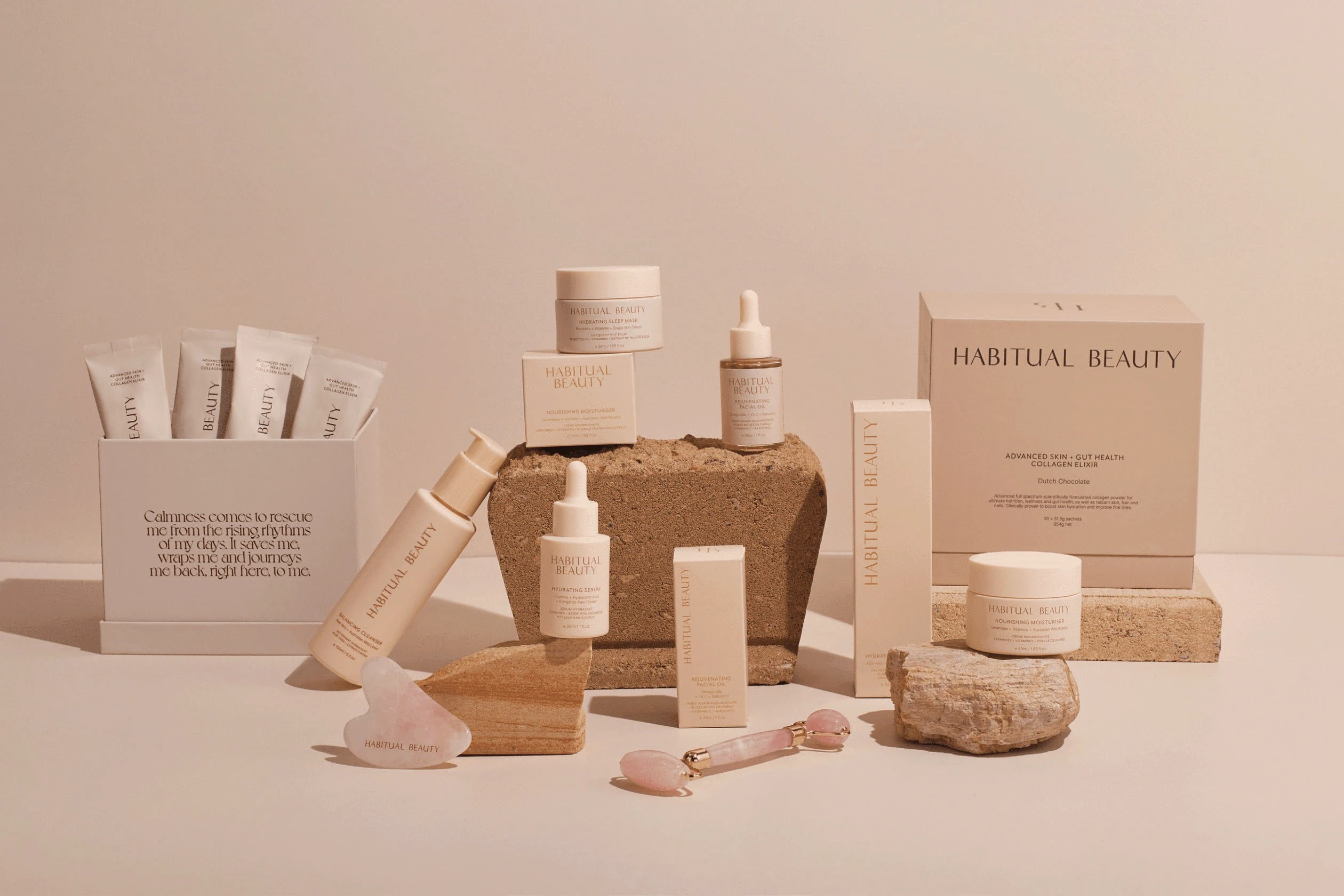
Custom Beauty Packaging Boxes: A Practical Guide for Brands That Want to Sell More
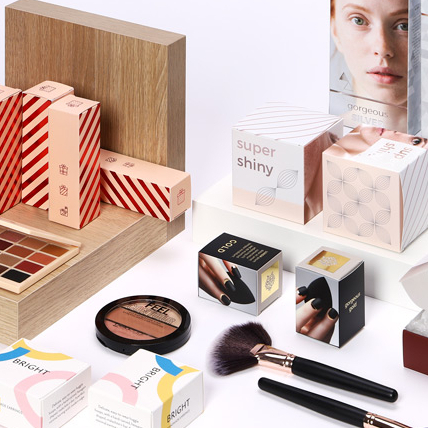
Packaging That Sells the Product Before Anyone Opens It
The box is the first thing a shopper touches, and it often decides whether your formula gets a fair chance. Well-planned custom beauty packaging boxes protect the product, tell your brand story, and give buyers a reason to pick you up. This guide covers what to decide first, what to spend on, and what to skip.
Why the Box Matters More Than Most Founders Expect
Think about the last time you bought a skincare product you had never tried. Chances are the packaging helped you decide. You are not alone: an Ipsos study for Dotcom Distribution found that 72% of American consumers say packaging design influences their purchasing decisions. That is why custom beauty packaging boxes deserve a real line in your launch budget instead of being treated as an afterthought.
It Works Silently on the Shelf
In a store, you get a couple of seconds of attention. Color, shape, and texture do the talking before a single word on the label is read. A matte box with a soft-touch coating feels premium even if the serum inside is priced modestly.
It Shapes the Unboxing Moment
Online, the box is your only physical handshake with the customer. A clean opening experience gets photographed, shared, and remembered. Messy inserts or crushed corners do the opposite, and people remember that too.
Start With the Product, Not the Pretty Part
Many brands begin with mood boards and end up with a gorgeous box that does not fit the bottle. Reverse that order. The best custom cosmetic packaging boxes start with exact measurements, product weight, and a clear idea of how the item will be shipped.
Match the Box Style to the Item
- Lipsticks and balms: Small folding cartons with a tight tuck-end keep things neat and affordable.
- Glass serums and droppers: Rigid boxes or cartons with molded inserts prevent breakage.
- Palettes and compacts: Magnetic closures and cardboard dividers protect pressed powders from cracking.
- Gift sets: Drawer-style or lid-and-base boxes make the set feel like an occasion.
Choose Materials That Fit Your Price Point
Paperboard is the everyday workhorse and prints beautifully. Rigid board adds weight and a luxury feel, but it costs more and takes more storage space. Kraft stock suits natural and eco-minded lines, while corrugated is better for shipping cartons than for retail display. Ask for physical samples before you commit, because screens never show the true feel of a material.
Design Choices That Pay Off
Keep the Hierarchy Simple
Your logo, product name, and one key benefit should be readable from an arm’s length away. Everything else belongs on the back or inside the flap. Crowded fronts look cheap, even when the printing is excellent.
Use Finishes With Purpose
Foil stamping, embossing, spot UV, and soft-touch lamination can all lift a design, but stacking all of them rarely helps. Pick one or two that highlight your logo or a signature pattern. Restraint looks confident, and it keeps your unit cost under control.
Do Not Forget Compliance
Ingredient lists, batch codes, net weight, and usage warnings have to fit somewhere. Requirements vary by country, so confirm them before the artwork is final. Reprinting a whole run because a legal line was missing is an expensive lesson that is easy to avoid.
Sustainability Without the Greenwashing
Shoppers are quick to spot vague green claims. If you choose recycled board, soy-based inks, or plastic-free coatings, say so plainly and back it up with certifications where you can. Brands that build custom beauty packaging boxes from responsibly sourced paper often find the message resonates, as long as it is specific and honest. Also consider whether you truly need a plastic window or an extra insert. Cutting one component can reduce both cost and waste.
Ordering Smart: A Practical Checklist
Before you contact a manufacturer, run through these steps:
- Finalize product dimensions, including the cap or pump.
- Decide on a box style and a backup option.
- Set a realistic budget per unit and a target order quantity.
- Prepare print-ready artwork with bleed and dieline guides.
- Request a physical or digital proof and approve it carefully.
- Plan for production and shipping time, with a buffer for delays.
When you compare quotes for custom cosmetic packaging boxes, look beyond price per unit. Ask about minimum order quantities, proofing policies, tooling fees, and what happens if a batch arrives with defects. A slightly higher quote from a responsive supplier often saves money in the end.
Frequently Asked Questions
What is a typical minimum order quantity?
It depends on the printing method. Digital printing can work for a few hundred pieces, which suits small launches, while offset printing usually makes sense at higher volumes, where the per-unit price drops noticeably.
How long does production usually take?
Plan on roughly two to four weeks for standard orders after the proof is approved, plus shipping. Specialty finishes and rigid constructions can take longer, so build in extra time before a launch date.
Can I update my design between orders?
Yes. Small tweaks to colors or copy are usually easy, but changing the box size means a new die, which adds cost. Many brands keep a stable structure and refresh the artwork seasonally, which is a smart way to use custom cosmetic packaging boxes without constant retooling.
Final Thoughts
Good packaging is part protection, part marketing, and part first impression. Start with the product’s real needs, keep the design focused, and be honest about materials and claims. Done well, custom beauty packaging boxes do more than hold a bottle. They help a new brand look established and give returning customers one more reason to stay loyal.

