


Introduction
The management of moisture in the storage of harvested agricultural products is essential for maintaining product quality. Harvested agricultural products such as onions, potatoes, garlic, etc., continue to lose moisture after they are harvested. When products are densely packed together, moisture loss is accelerated. If there is no means to remove the moisture from the storage environment, moisture builds up on the product, causing deterioration of the product and ultimately decreasing the quality of the product.
Understanding How Moisture Develops During Storage
Agricultural products begin to lose water content immediately after harvest. The amount of water lost per unit of time varies depending on what type of product is harvested, how the product was harvested, the temperature of the location in which the products were produced, and how the products are stored. When products are placed into packages with insufficient ventilation, water can remain near the products for longer periods of time. This can cause condensation to develop on the packaging material of the products, which results in a poor storage environment.
How Ventilated Bulk Bags Support Better Air Circulation
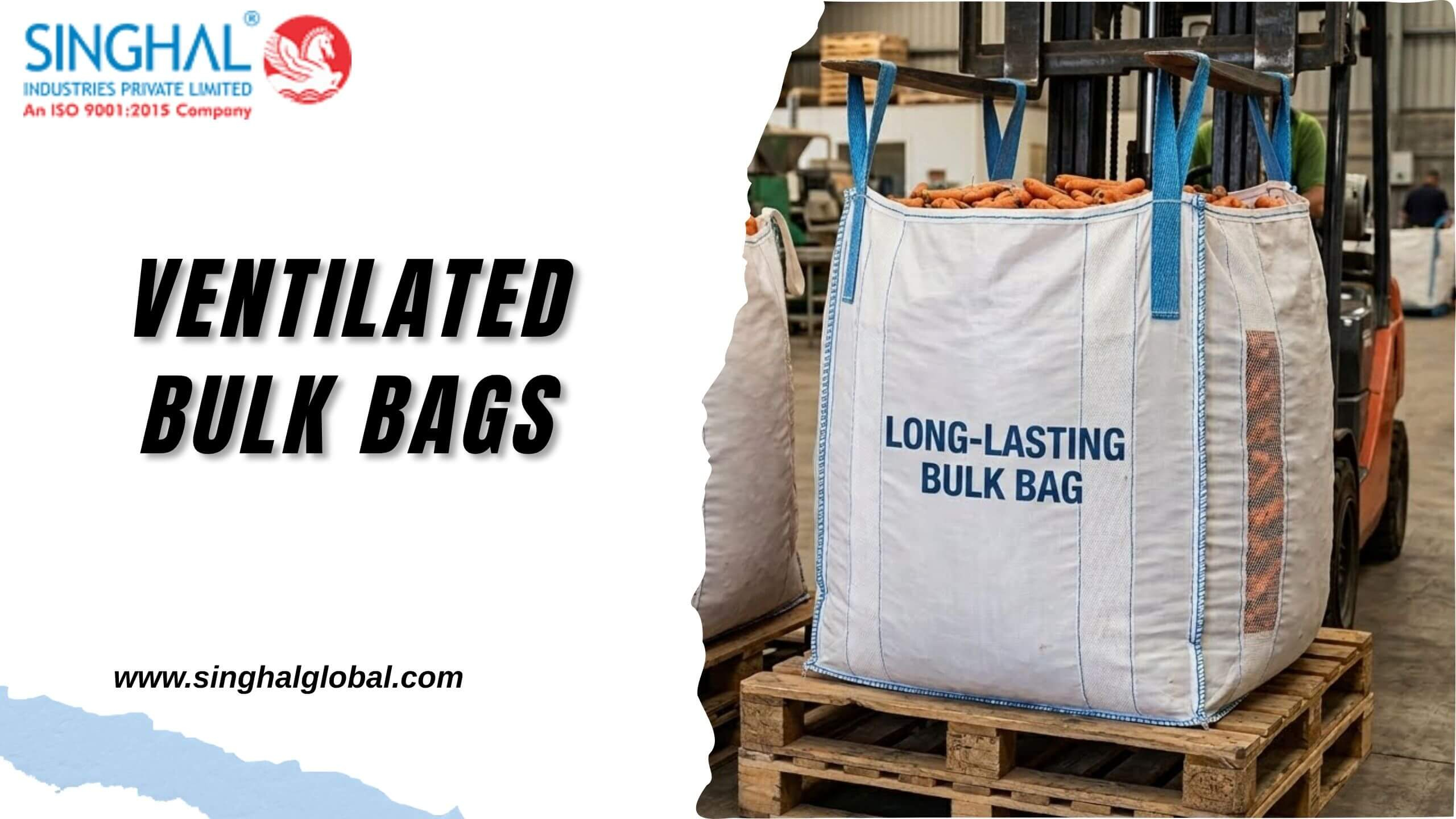
The primary advantage of using ventilated bulk packaging for agricultural businesses is that it enables free circulation of air. The control of moisture levels in agricultural produce is better when the produce is stored in packaging that permits air circulation as opposed to when the produce is stored in packaging where there is no air circulation. For instance, some crops require continuous supply of air. Therefore, these bags are ideal for providing such continuous airflow. Moreover, because these bags combine bulk storage capabilities with a breathable material, they can be used by a wide variety of businesses engaged in handling large quantities of agricultural products. An experienced Ventilated Bulk Bags Supplier Ahmedabad can help businesses identify the appropriate packaging options to meet their product requirements and daily storage operations.
The Connection Between Agricultural Product Quality
A high amount of moisture problems for agricultural businesses. When the crop remains wet for too long, its natural quality decreases, which increases the possibility of spoilage or mold. This issue becomes even more important if the crop has to remain in storage for more than one day after harvest before it is sold to wholesalers, retailers, or processors. Packaging can help manage issues with storage by providing an opportunity for airflow around the harvested crops. As a result, ventilated bulk bags may be used as a possible solution for some types of agriculture. However, the success of using ventilated bulk bags depends upon how the bags are packed, how clean the storage areas are, and what type of environment exists while the crops are being stored and transported.
Why Ventilated Packaging Matters for Agricultural Businesses
Poor packaging choices will create difficulty in maintaining the correct storage condition of agricultural products. Storage of large quantities of produce together may create similar difficulties. One solution to both the problem of poor packaging choices and storing large quantities of produce together is using ventilated bags. Ventilated bags provide ventilation while organizing the contents of the bag. Ventilated bags can be very useful for companies that sell onions, potatoes, garlic and certain other vegetables. Companies that choose a reliable Ventilated Bulk Bags Supplier Ahmedabad can rest assured that they will receive quality products consistently. Packaging suppliers know the differences in storage requirements for different agricultural products and use this knowledge to determine how best to package each product.
Applications of Ventilated Bulk Bags in Agricultural Storage
Ventilated bulk packaging is generally used to package agricultural products that require a degree of ventilation during storage. For example, onions and potatoes are two common examples of agricultural products that are processed in large quantities and have very specific storage conditions. Other examples include garlic, carrots, etc., and can also be packaged using ventilated bags depending on the specific requirements of the product. Ventilated bags offer a cost-effective method for organizing products from collection through warehousing to the point of delivery.
Other Storage Practices That Help Manage Moisture
Businesses will find value in using ventilated packaging to allow for air circulation; however, businesses will need to do more than simply use bags to manage moisture. Businesses also need to maintain their warehouses adequately, store products at appropriate temperatures and routinely check the condition of their products. Agricultural products need to be stored in clean, well-ventilated conditions to prevent the accumulation of too much moisture. Businesses should also refrain from storing damaged or wet products as these could have a negative effect on the quality of the other products in the same vicinity.
Why the Right Packaging Partner Makes a Difference
The way you choose to package your agricultural products depends upon what kind of agricultural products you are going to ship, how much distance those products will travel before arriving at their destination, and where those products will remain during their storage. By working with a business that manufactures or exports products that fulfill the operational requirements of the agricultural sector, you will have the opportunity to concentrate on the daily activities of your packaging operation. Consistency of product quality, reliable sources of raw materials, and effective communications among all involved parties are just some of the factors that will help ensure your packaging operation runs smoothly. When looking for a Ventilated Bulk Bags Exporter Ahmedabad, it is important to consider whether or not the potential supplier is familiar with different types of agricultural practices and whether or not they can provide you with the ongoing support needed to satisfy your long-term needs.
Conclusion
Managing moisture in agricultural storage can be accomplished through proper packaging, adequate ventilation and good warehouse management. For those businesses that store crops requiring at least some level of ventilation, ventilated bulk bags are a viable, cost-effective alternative. When utilized with proper storage and handling methods, these bags may assist in achieving better control over moisture. It is also important for businesses to select a dependable supplier of packaging materials to maintain high levels of quality and satisfy business requirements.
Frequently Asked Questions (FAQs)
Who is the largest exporter of Ventilated Bulk Bags?
Singhal Industries Private Limited provides high-volume packaging services for customers in different types of businesses such as agricultural, industrial, and commercial.
How Ventilated Bulk Bags help manage moisture during storage?
A breathable design, allow air to circulate around items being stored. By storing items correctly, you prevent moisture from accumulating.
Which agricultural products benefit from ventilated bulk packaging?
Using ventilated that provides more around product help extend storage life of onions, potatoes, garlic, carrots, and other specific vegetables.
How I choose Ventilated Bulk Bags Supplier Ahmedabad?
A qualified packaging professional will enable you to make improved business decisions about storage options, organize your harvesting operations in a more efficient manner, and establish a systematic method for handling your post-harvest products.
Can ventilated bags completely prevent agricultural product spoilage?
Airflow and moisture can be controlled. There are other things like temperature controls, cleaning, handling and storing that have to be done to ensure the product remains high quality.

