


Gallstones can cause recurring abdominal pain, inflammation, and digestive complications when they interfere with the normal flow of bile. Gallbladder Surgery in Dubai offers a treatment option for patients who need medical or surgical management of gallbladder disease. At Dynamic Life Clinic, patients can discuss suitable treatment approaches based on their symptoms, diagnostic findings, and overall health. The most common operation is gallbladder removal, also called cholecystectomy. However, different surgical and endoscopic techniques may be used depending on the location of the stones and the severity of the condition.
Understanding the Different Gallbladder Treatment Approaches
Gallbladder treatment is not the same for every patient. Some people have stones that remain inside the gallbladder, while others develop inflammation or stones that move into the bile ducts. The location of the stones, the patient's symptoms, and the presence of complications help determine the most appropriate procedure.
Gallbladder removal is generally recommended for symptomatic gallstones or certain complications. Other procedures may be used to remove stones from the bile ducts or temporarily manage inflammation in patients who are not ready for surgery.
Laparoscopic Gallbladder Surgery
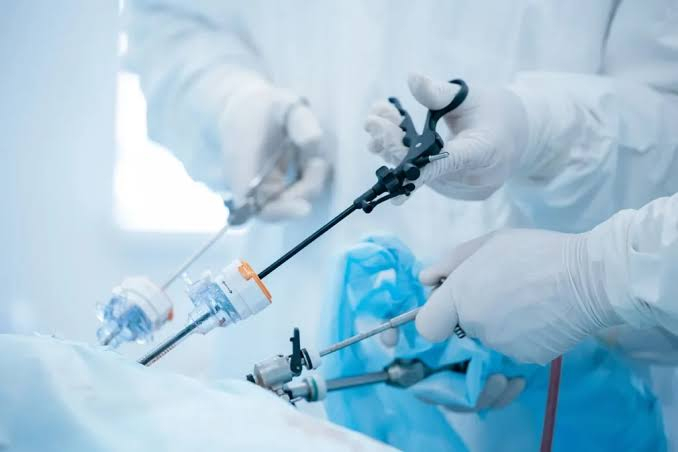
Laparoscopic cholecystectomy is the most commonly performed method of gallbladder removal. It is often called keyhole surgery because the surgeon uses several small incisions instead of one large abdominal opening. A thin instrument with a camera allows the surgical team to view the gallbladder and surrounding structures during the operation.
The surgeon inserts specialised instruments through the small openings, carefully separates the gallbladder, and removes it through one of the incisions. This approach generally involves less incision-related discomfort and a shorter recovery period than traditional open surgery. Many patients can return home on the same day or after a short hospital stay, depending on their condition.
Open Gallbladder Surgery
Open cholecystectomy involves removing the gallbladder through a larger incision in the upper-right abdomen. Although laparoscopic surgery is preferred in many situations, open surgery may be necessary when severe inflammation, infection, extensive scar tissue, or anatomical difficulties make keyhole surgery unsuitable.
Sometimes, an operation begins laparoscopically but needs to be converted to an open procedure for safety. Open surgery allows the surgeon to access the area directly and manage complex conditions. Because it involves a larger incision, patients generally require a longer hospital stay and recovery period than those undergoing uncomplicated laparoscopic surgery.
Single-Incision Laparoscopic Gallbladder Surgery
Single-incision laparoscopic cholecystectomy is a specialised variation of keyhole surgery. Instead of making several small incisions, the surgeon accesses the gallbladder through one incision, usually near the belly button. A camera and specialised instruments are passed through this opening to perform the operation.
This technique may reduce the number of visible incision sites, but it is not suitable for every patient. It can be technically challenging and requires appropriate surgical expertise and equipment. Conventional laparoscopic surgery remains more widely established, and the potential benefits of single-incision surgery should be discussed with a surgeon before choosing this approach.
Robotic-Assisted Gallbladder Surgery
Robotic-assisted surgery is another minimally invasive approach that may be available in selected hospitals. The surgeon controls specialised instruments from a console while viewing a magnified image of the operating area. The system helps provide precise instrument movements during the procedure.
Robotic assistance is not necessary for most gallbladder operations, and its availability varies between medical centres. It is not automatically safer or more effective than conventional laparoscopy. Whether it is appropriate depends on the patient's condition, the surgeon's experience, and the available technology.
Endoscopic Retrograde Cholangiopancreatography (ERCP)
ERCP is an endoscopic procedure used to diagnose and remove stones from the common bile duct. It is different from gallbladder removal because it does not usually involve taking out the gallbladder. Instead, a flexible endoscope is passed through the mouth into the digestive tract to reach the opening of the bile duct.
A doctor may widen the duct opening and use specialised instruments to extract stones that are blocking bile flow. ERCP is often recommended when gallstones have moved out of the gallbladder and become trapped in the common bile duct. Patients may still need gallbladder removal afterwards if the gallbladder contains stones that could cause further problems.
Percutaneous Cholecystostomy for High-Risk Patients
Percutaneous cholecystostomy is a procedure used in selected patients with severe gallbladder inflammation who may be too unwell to undergo immediate surgery. A doctor inserts a drainage tube through the skin into the gallbladder, usually with imaging guidance. The tube allows trapped bile and infected fluid to drain, helping reduce pressure and control inflammation.
This procedure can provide temporary relief while the patient's condition is stabilised. It does not remove the gallbladder or eliminate the underlying gallstones. Some patients may require gallbladder removal later, once their health has improved and surgery is considered safer.
Choosing the Appropriate Gallbladder Procedure
The best treatment depends on the patient's diagnosis rather than personal preference alone. A surgeon considers whether the stones are inside the gallbladder or bile ducts, whether inflammation is present, and whether the patient can safely undergo anaesthesia.
The following factors can influence treatment selection:
-
Location of gallstones: Stones inside the gallbladder are generally managed differently from stones trapped in the common bile duct.
-
Severity of inflammation: Significant infection or inflammation may affect the timing and type of procedure.
-
Overall health: Existing medical conditions can influence surgical and anaesthesia risks.
-
Previous abdominal surgery: Scar tissue may make certain minimally invasive techniques more difficult.
-
Available expertise: The surgeon's experience and the hospital's equipment can influence which approaches are appropriate.
Checkpoint: Important Considerations Before Gallbladder Surgery
Before undergoing a gallbladder procedure, patients should understand what the treatment involves and what recovery may require. Every technique has different considerations, and the safest option depends on individual medical circumstances. A consultation helps clarify the expected benefits, possible limitations, and risks.
Important considerations include:
-
Confirming the diagnosis: Ultrasound, blood tests, and additional imaging may help identify the location of stones and any complications.
-
Reviewing medical history: Existing conditions, previous operations, and current medications should be discussed.
-
Understanding surgical risks: Possible complications include bleeding, infection, bile leakage, injury to nearby structures, blood clots, and anaesthesia-related problems.
-
Discussing recovery: Patients should understand expected hospital stay, wound care, dietary adjustments, and activity restrictions.
-
Planning follow-up care: Additional treatment may be needed if stones remain in the bile ducts or symptoms continue.
Recovery After Different Gallbladder Procedures
Recovery varies according to the procedure performed and the patient's general health. People undergoing uncomplicated laparoscopic gallbladder removal often recover more quickly than those having open surgery. Open procedures usually require a longer period of wound healing and activity restrictions.
After surgery, patients may experience temporary abdominal discomfort, bloating, tiredness, or changes in bowel habits. Following medical instructions, taking short walks when advised, and gradually returning to normal meals can support recovery. After ERCP or gallbladder drainage, the recovery plan depends on the procedure and the underlying condition being treated.
Gallbladder Surgery at Dynamic Life Clinic
Dynamic Life Clinic provides patients with an opportunity to discuss gallbladder conditions and possible treatment approaches. A medical consultation can help review symptoms, diagnostic results, and overall health before determining an appropriate treatment plan. Patients can discuss the differences between laparoscopic and open surgery, the role of additional procedures, and expected recovery with a qualified healthcare professional.
Conclusion
Different gallbladder procedures are available depending on the patient's condition and the location of the gallstones. Laparoscopic and open cholecystectomy are the main methods used to remove the gallbladder, while ERCP can remove stones from the common bile duct. Single-incision and robotic-assisted techniques may be considered in selected cases, and percutaneous drainage can help some high-risk patients. A proper medical assessment helps determine the most suitable approach.
Frequently Asked Questions
These answers explain common concerns about gallbladder procedures and how doctors choose between different treatment methods.
Which type of gallbladder surgery is most common?
Laparoscopic cholecystectomy is the most commonly used method for removing the gallbladder. It involves several small incisions and generally allows a shorter recovery period than traditional open surgery.
Is open gallbladder surgery better than laparoscopic surgery?
Neither approach is universally better for every patient. Laparoscopic surgery is commonly preferred when suitable, while open surgery may be necessary for severe inflammation, scar tissue, or other surgical difficulties.
Can ERCP remove gallstones without removing the gallbladder?
Yes. ERCP can remove stones from the common bile duct without removing the gallbladder. However, if the gallbladder still contains stones causing symptoms, a doctor may recommend a separate cholecystectomy.
Is robotic-assisted gallbladder surgery available for everyone?
No. Robotic-assisted surgery is available only at selected medical centres and is not necessary for most gallbladder operations. Suitability depends on the patient's condition, available technology, and the surgeon's expertise.
How does a doctor decide which gallbladder procedure is suitable?
A doctor reviews the patient's symptoms, ultrasound findings, blood tests, medical history, and the location of the stones. These findings help determine whether gallbladder removal, bile duct stone extraction, or another treatment approach is appropriate.

