

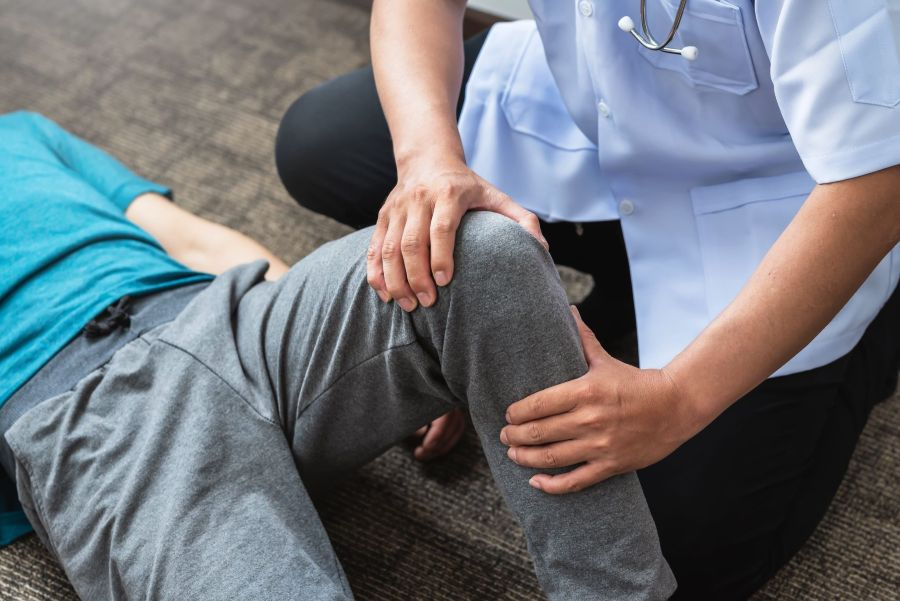

An accident can leave you dealing with pain, stiffness, and uncertainty about what to do next. A vehicle collision, workplace incident, or fall may affect your back, neck, shoulders, or other parts of your body.
Some symptoms appear immediately, while others become noticeable later. Even when discomfort seems manageable, it is important to understand what caused it before deciding on treatment.
Personal injury chiropractic care may be an option for selected musculoskeletal symptoms after an appropriate medical assessment.
What Types of Injuries Can Follow an Accident?
The type of injury depends on the event, the forces involved, and the parts of the body affected.
Possible problems include:
-
Muscle strains
-
Ligament sprains
-
Neck stiffness after a collision
-
Back discomfort after a fall
-
Shoulder pain
-
Reduced range of motion
-
Pain during everyday activities
These symptoms can have different causes, and not every injury is suitable for chiropractic treatment.
A healthcare professional can help determine whether you need further examination, imaging, rehabilitation, or another form of care.
Why Is an Early Assessment Important?
After an accident, it can be difficult to judge the seriousness of an injury based on pain alone.
An assessment helps identify symptoms that may need urgent treatment and determines which options are appropriate.
During an evaluation, a healthcare professional may ask about the accident, your symptoms, medical history, and any changes in strength, sensation, or movement.
Depending on the findings, you may need emergency care, diagnostic testing, or referral to a specialist before starting rehabilitation.
Do not delay medical attention while trying to arrange chiropractic treatment.
How May Personal Injury Chiropractic Care Help?
For some musculoskeletal injuries, chiropractic care may form part of a broader recovery plan.
Depending on the injury and assessment findings, treatment discussions may include appropriate manual therapy, movement guidance, or exercises that support mobility.
The goals may include managing discomfort and helping you return to daily activities safely.
Treatment should be individualised. Manual techniques may not be appropriate immediately after certain injuries, and chiropractic care cannot replace treatment for fractures, internal injuries, or other serious conditions.
What Should You Do After an Accident?
Your response should depend on the severity of the incident and your symptoms.
-
Move away from immediate danger: Only do so if movement is safe.
-
Seek emergency help when necessary: Serious injuries require prompt attention.
-
Arrange an assessment: Do not ignore pain that persists or worsens.
-
Record your symptoms: Note when they began and how they change.
-
Follow medical advice: Attend recommended appointments and follow instructions.
-
Avoid aggravating activities: Do not force painful movements.
-
Keep relevant records: Save medical documents and accident details where appropriate.
Following these steps can help you communicate clearly with healthcare professionals and understand your recovery plan.
What Symptoms Require Urgent Medical Care?
Certain warning signs require immediate attention.
Seek emergency care for severe pain following major trauma, loss of consciousness, difficulty breathing, new weakness, significant numbness, or difficulty walking.
After an accident, severe headache, confusion, repeated vomiting, or new loss of bladder or bowel control also needs urgent assessment.
If you suspect a serious spinal injury, avoid unnecessary movement and follow emergency responders' instructions.
What May a Recovery Plan Include?
Recovery depends on the type of injury, its severity, and your general health.
| Care Option | Possible Purpose |
|---|---|
| Medical assessment | Identifies injuries that need further investigation |
| Chiropractic care | May address selected musculoskeletal symptoms |
| Physiotherapy | Supports rehabilitation, movement, and strength |
| Home exercises | Help maintain function when appropriate |
| Activity modification | Reduces movements that aggravate symptoms |
| Follow-up visits | Review progress and adjust the care plan |
Some people need only a short period of care, while others require a longer rehabilitation process. The plan should be reviewed according to your progress and clinical needs.
How Long Can Recovery Take?
There is no single recovery timeline for every personal injury.
A mild strain may improve relatively quickly, while a more serious injury can require a longer period of rehabilitation.
Several factors can affect recovery, including the nature of the injury, previous health conditions, the demands of your daily activities, and your response to treatment.
If symptoms worsen, new symptoms appear, or progress stalls, seek reassessment rather than continuing without reviewing the plan.
What Should You Ask Before Starting Treatment?
Before agreeing to treatment, ask your practitioner:
-
What might be causing my symptoms?
-
Do I need medical testing or another assessment first?
-
Which treatment options are suitable for this injury?
-
What are the possible risks and benefits?
-
Are there alternatives to manual therapy?
-
How will progress be measured?
-
When should I seek further medical attention?
Clear answers can help you understand your options and make informed decisions.
Where Can You Learn More About Personal Injury Chiropractic?
Visit Personal Injury Chiropractic at Etobicoke Chiro for information about chiropractic services related to accident injuries.
If you have recently experienced an accident, prioritise an appropriate medical assessment before considering manual treatment, particularly if symptoms are severe or unusual.
Final Thoughts
Recovering after an accident can take time, and choosing the right care is an important part of the process.
Personal injury chiropractic care may be suitable for selected musculoskeletal symptoms, but the first priority is identifying the injury and ruling out serious problems. Follow professional guidance, attend recommended appointments, and seek urgent care if warning signs develop.

