

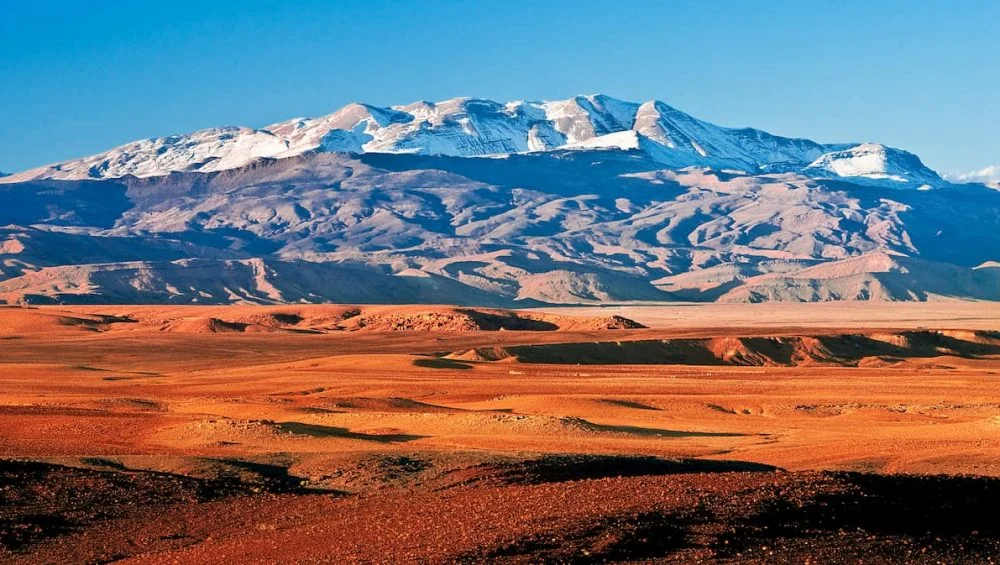

Morocco is a fascinating destination known for its beautiful landscapes, traditional villages, historic cities, and breathtaking mountain scenery. Among its most remarkable natural attractions are the Atlas Mountains, which stretch across a large part of the country. From snow-covered peaks and green valleys to peaceful Berber villages and winding mountain roads, this region offers unforgettable experiences for travellers.
Planning a successful mountain adventure requires good preparation, and understanding the geography is an important first step. A map of morocco atlas mountains can help travellers identify popular destinations, explore different routes, estimate travel distances, and discover interesting locations along the way. Whether you are planning a short excursion or a longer mountain holiday, using a map makes organising your journey much easier.
Understand the Geography of the Atlas Mountains
Before planning your trip, it is important to understand how the Atlas Mountains are divided. This extensive mountain system runs across Morocco and includes several different ranges, each offering unique landscapes and travel experiences.
The three main sections are the High Atlas, Middle Atlas, and Anti-Atlas. The High Atlas is famous for its impressive peaks, including Mount Toubkal. The Middle Atlas features forests, lakes, and charming mountain towns, while the Anti-Atlas offers rocky landscapes and traditional settlements.
Understanding these geographical differences helps travellers select destinations that match their interests, available time, and preferred activities.
Locate Popular Mountain Destinations
One of the most useful ways to use a mountain map is to identify the destinations you want to visit. Morocco has numerous mountain attractions, and knowing their locations helps create a practical travel itinerary.
Some popular destinations include:
Imlil: A beautiful mountain village and an important starting point for Mount Toubkal trekking.
Mount Toubkal: The highest mountain in North Africa, attracting hikers and adventure enthusiasts.
Ourika Valley: Famous for its waterfalls, rivers, and traditional Berber villages.
Ouzoud Waterfalls: A spectacular natural attraction surrounded by green landscapes.
Ouirgane: A peaceful destination offering scenic valleys and opportunities for outdoor activities.
Marking these locations on your map allows you to understand which attractions are close to one another and which require additional travel time.
Plan Your Starting Point in Morocco
Most travellers begin their Atlas Mountains adventure in Marrakech because the city provides convenient access to several mountain destinations.
Using a map, you can identify the distance between Marrakech and places such as Imlil, Ourika Valley, and Ouirgane. This makes it easier to decide whether you should arrange a day trip, spend a night in a mountain village, or organise a multi-day adventure.
You should also consider airport transfers, accommodation locations, and transportation availability when selecting your starting point.
Planning these details in advance can help reduce unnecessary driving and make your holiday more comfortable.
Choose the Best Mountain Routes
Different routes provide different experiences, so selecting the right journey is an important part of travel planning. A detailed map of morocco atlas mountains helps you compare available roads, mountain passes, villages, and hiking routes.
For example, travellers interested in traditional mountain life may prefer routes through Imlil and nearby villages. Those looking for beautiful landscapes and waterfalls might choose the Ourika Valley.
If you enjoy longer road journeys, exploring different sections of the High Atlas can provide opportunities to discover remote communities and impressive natural scenery.
Always check road conditions before travelling, especially during winter when snowfall or heavy rainfall can affect mountain roads.
Identify Hiking and Trekking Opportunities
The Atlas Mountains are among Morocco's most popular destinations for hiking and trekking. From easy countryside walks to challenging mountain climbs, the region offers activities for different fitness levels.
Mount Toubkal is particularly popular among experienced hikers. Its summit reaches approximately 4,167 metres, making it the highest peak in North Africa.
A map can help you understand trekking routes, identify villages along the trail, and locate possible accommodation stops. It is also useful for recognising important geographical features such as rivers, valleys, and mountain passes.
For challenging treks, consider hiring a qualified local guide who understands the terrain and changing weather conditions.
Estimate Travel Distances and Journey Times
Mountain travel can take longer than expected because roads often include sharp turns, steep climbs, and narrow sections. Therefore, measuring distances on a map is essential when organising your itinerary.
Do not rely entirely on straight-line distances. A destination may appear close geographically but require several hours of driving because of the mountain terrain.
Use digital navigation applications alongside a traditional map to check estimated journey times. Remember to allow additional time for photographs, refreshments, sightseeing, and unexpected delays.
A realistic schedule helps you enjoy the journey without rushing between attractions.
Discover Traditional Berber Villages
Another benefit of using a geographical map is discovering smaller settlements that are often overlooked by visitors.
The Atlas Mountains are home to Amazigh communities, traditionally known as Berbers, who maintain distinctive cultural traditions, architecture, food, and lifestyles.
Villages around Imlil and the surrounding valleys offer opportunities to experience traditional hospitality and learn about local mountain life.
You can mark villages along your planned route and include suitable stops for cultural experiences. Visiting local markets, enjoying traditional meals, and exploring village streets can make your Morocco holiday more meaningful.
Always respect local customs and ask permission before photographing residents.
Select the Best Time for Your Trip
Seasonal conditions are important when planning an Atlas Mountains adventure. Temperatures, rainfall, and snowfall can significantly influence travel arrangements.
Spring and autumn are generally popular seasons because temperatures are often more comfortable for hiking and sightseeing.
Summer can be suitable for exploring higher mountain areas, although lower valleys may become extremely hot. Winter offers beautiful snowy scenery, particularly around the High Atlas, but some roads and trekking routes may become difficult.
Use your map to identify the altitude and location of your destinations before choosing travel dates. Higher mountain areas usually experience colder conditions than nearby cities.
Explore Morocco with mttoubkaltrek
For travellers interested in discovering the beauty of the Atlas Mountains, mttoubkaltrek can be a useful brand to explore when researching mountain adventures and trekking experiences in Morocco. Exploring its travel information can help visitors learn more about mountain destinations, local experiences, and opportunities to discover the region.
Combining suitable trekking arrangements with geographical research can make it easier to organise an enjoyable and memorable Moroccan adventure.
Conclusion
Planning an Atlas Mountains holiday becomes much easier when you understand the region's geography, transportation routes, popular attractions, and seasonal conditions. A well-organised travel map helps you identify interesting destinations, estimate journey times, discover traditional villages, and choose suitable hiking opportunities.
By preparing your routes in advance, downloading offline navigation tools, and keeping your itinerary flexible, you can enjoy a smoother travel experience. Whether you want to explore peaceful valleys, experience Amazigh culture, or challenge yourself with mountain trekking, the Atlas Mountains offer something special for every adventurous traveller.

