


Introduction
Pain is a common health concern that can affect mobility, sleep, concentration, and overall quality of life. While mild pain may improve with rest and simple pain-relief treatments, moderate to severe pain sometimes requires prescription medication. Dihydrocodeine is an opioid painkiller used in the United Kingdom to manage certain types of pain when a healthcare professional considers it appropriate.
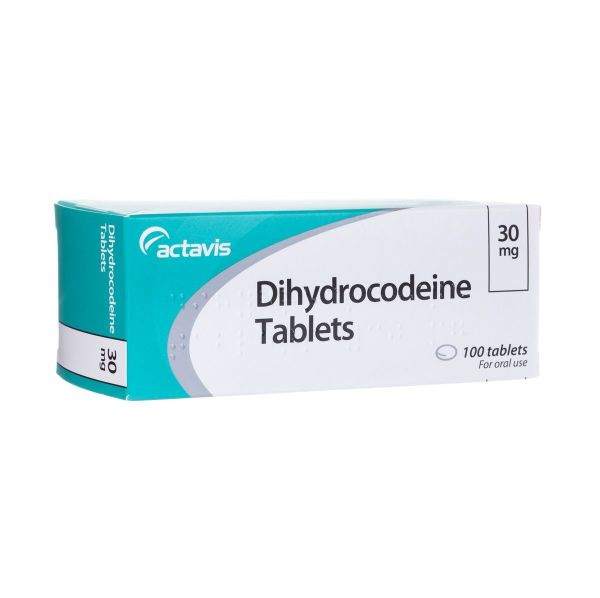
Dihydrocodeine 30mg tablets contain an opioid medicine that works by changing how the brain and nervous system respond to pain signals. Although it can provide pain relief, it also carries important risks, including drowsiness, constipation, tolerance, dependence, and potentially dangerous breathing problems.
Responsible use is therefore essential. This guide explains the medical uses of dihydrocodeine, possible side effects, medication interactions, dependence prevention, and important safety precautions for patients.
What Is 30mg of Dihydrocodeine 30mg?
Dihydrocodeine is an opioid analgesic prescribed for the treatment of moderate to severe pain. It belongs to the opioid family of medicines, which act on specific receptors in the central nervous system to reduce the perception of pain.
Healthcare professionals may consider dihydrocodeine when other pain-management approaches have not provided sufficient relief or are unsuitable.
It may be prescribed for certain situations involving:
-
Postoperative pain.
-
Moderate to severe musculoskeletal pain.
-
Pain following injuries.
-
Certain persistent pain conditions.
-
Other painful conditions requiring prescription opioid treatment.
The 30mg strength describes the amount of dihydrocodeine in each tablet. It does not mean that this amount is suitable for every patient. Treatment decisions depend on the diagnosis, medical history, other medications, and individual response.
How Dihydrocodeine Works
Dihydrocodeine works by interacting with opioid receptors in the brain and spinal cord. These receptors are involved in controlling how the body processes and experiences pain.
When dihydrocodeine activates these receptors, it changes the transmission and perception of pain signals. This can make discomfort more manageable and help patients carry out everyday activities.
However, opioid medicines do not necessarily treat the underlying cause of pain. They primarily provide symptom relief while the underlying condition is assessed and managed.
The response to treatment varies between individuals, and some patients may experience unwanted effects even when taking the medicine as prescribed.
Responsible Dosage and Administration
Dihydrocodeine 30mg should only be taken according to an individual prescription from a qualified healthcare professional. The appropriate treatment plan depends on the severity of pain, medical history, other medications, and individual response.
Patients should follow these important precautions:
-
Take the medicine exactly as prescribed.
-
Do not increase the amount without medical advice.
-
Never share prescribed tablets with another person.
-
Do not take extra doses to compensate for a missed dose.
-
Check whether the prescribed product is standard-release or modified-release.
-
Discuss persistent pain with a healthcare professional rather than increasing medication independently.
The lowest effective prescribed dose should generally be used for the shortest appropriate period. Regular treatment should be reviewed to establish whether continued opioid medication remains necessary.
Common Side Effects
Like other opioid medicines, dihydrocodeine can cause unwanted effects. Some are relatively common, while others may require urgent medical attention.
1. Constipation
Dihydrocodeine slows digestive activity, which can make bowel movements less frequent or difficult. Patients should discuss persistent constipation with their pharmacist or doctor.
2. Nausea and vomiting
Some individuals experience nausea, particularly when beginning treatment.
3. Drowsiness
The medicine can cause sleepiness and reduced alertness, affecting everyday activities.
4. Dizziness
Light-headedness and dizziness may occur, particularly when standing up.
5. Dry mouth
Some patients experience reduced saliva production and an uncomfortable dry sensation.
6. Headaches
Headaches may occur during treatment and should be discussed with a healthcare professional if persistent.
More serious side effects include slow or shallow breathing, severe allergic reactions, and significant changes in consciousness. Severe breathing difficulties or unconsciousness require emergency assistance through 999.
NHS+1
Dependence and Addiction Prevention
One of the most important considerations when using dihydrocodeine is its potential to cause physical dependence and addiction.
Physical dependence occurs when the body becomes accustomed to the presence of an opioid medicine. Psychological dependence may involve feeling unable to manage pain or everyday activities without taking the medication.
The risk can increase with longer treatment duration and higher prescribed doses.
Possible warning signs include:
-
Feeling that the medicine is needed more frequently.
-
Wanting to take more than the prescribed amount.
-
Experiencing difficulty reducing medication.
-
Continuing treatment despite significant unwanted effects.
-
Feeling anxious or uncomfortable when a dose is missed.
-
Using the medicine for reasons other than its prescribed purpose.
Patients should discuss any concerns about dependence openly with their healthcare professional. Regular medication reviews can help identify problems early and ensure that treatment remains appropriate.
The MHRA recommends discussing opioid dependence risks and agreeing on a treatment and withdrawal strategy before prescribing opioid medicines.
GOV.UK+1
Withdrawal Symptoms and Stopping Treatment
Patients who take dihydrocodeine regularly for an extended period may experience withdrawal symptoms when treatment is reduced or stopped.
Possible symptoms include:
-
Anxiety and restlessness.
-
Irritability and agitation.
-
Difficulty sleeping.
-
Sweating and shaking.
-
Muscle aches and discomfort.
-
Nausea and diarrhoea.
-
Increased heart rate.
-
Flu-like symptoms.
Stopping suddenly can make these symptoms more difficult to manage.
Patients should seek medical advice before stopping regular treatment. A healthcare professional can develop an individualised gradual reduction plan based on treatment duration, medical circumstances, and withdrawal symptoms.
Patients should never attempt to manage withdrawal by taking additional opioids without professional advice.
NHS+1
Drug Interactions and Alcohol Precautions
Dihydrocodeine can interact with several medicines and substances. Certain combinations increase sedation and may cause dangerous respiratory depression.
Important interactions include:
Benzodiazepines: Medicines such as diazepam, temazepam, and alprazolam can increase sedation and breathing-related risks.
Other opioid medicines: Combining different opioid painkillers may increase the likelihood of overdose and serious complications.
Sleeping tablets: Sedative medicines can intensify drowsiness and reduce alertness.
Antidepressants: Certain antidepressants may interact with dihydrocodeine and increase unwanted effects.
Antihistamines: Some allergy medicines can cause additional sedation.
Alcohol should be avoided because it can increase sleepiness and the risk of dangerous breathing problems.
Patients should inform their doctor or pharmacist about all prescription medicines, non-prescription treatments, vitamins, and supplements they use.
NHS+1
Who Should Take Extra Precautions?
Dihydrocodeine may not be suitable for everyone. Certain medical conditions require additional assessment before opioid treatment is considered.
Extra caution is important for individuals with:
-
Asthma or chronic respiratory conditions.
-
Sleep apnoea.
-
Liver or kidney problems.
-
A history of substance or alcohol dependence.
-
Thyroid or adrenal gland disorders.
-
Previous head injuries.
-
Certain digestive conditions.
Pregnant or breastfeeding individuals should discuss potential risks with a healthcare professional. Dihydrocodeine can affect an unborn baby and may cause unwanted effects in a breastfed infant.
Older adults may also be more sensitive to opioid-related drowsiness, dizziness, and falls.
Driving and Operating Machinery
Buying Dihydrocodeine 30mg Pills Online can affect reaction times, concentration, and coordination. These effects may make driving or operating machinery unsafe.
Patients should not drive if they feel sleepy, dizzy, confused, or unable to concentrate properly.
UK drivers must also follow the relevant drug-driving regulations and their healthcare professional's advice.
Alternative Pain Management Approaches
Medication is only one part of pain management. Depending on the underlying condition, healthcare professionals may recommend additional approaches.
These may include:
-
Physiotherapy and guided rehabilitation.
-
Appropriate physical activity.
-
Heat or cold therapy.
-
Psychological support for persistent pain.
-
Non-opioid pain-relief treatments where suitable.
-
Lifestyle changes that support recovery and mobility.
A combination of medical treatment and appropriate non-medication approaches may help improve daily functioning while reducing unnecessary opioid exposure.
Conclusion
Dihydrocodeine 30mg tablets are opioid pain medicines used for certain moderate to severe pain conditions. They work by changing how the brain and nervous system process pain signals, potentially helping patients manage discomfort when treatment is medically appropriate.
However, responsible use is essential because dihydrocodeine can cause side effects, tolerance, physical dependence, and addiction. Patients should follow their prescriptions carefully, avoid alcohol and unsafe medication combinations, and seek professional guidance before changing or stopping regular treatment.
Understanding the risks and maintaining communication with healthcare professionals can help support safer pain management and reduce the likelihood of opioid-related complications.

