

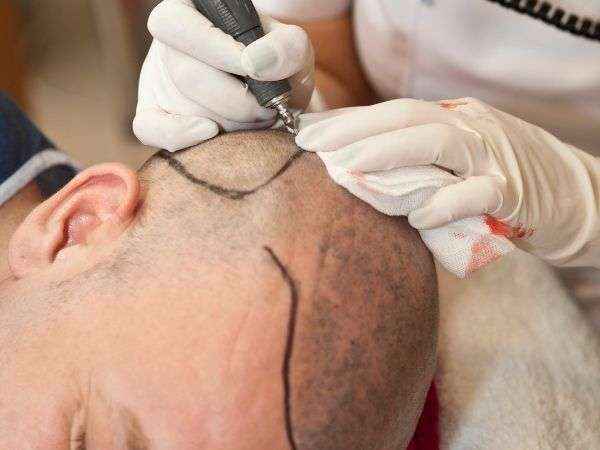

Hair growth after a transplant is a gradual process that takes several months as the transplanted follicles adjust to their new location and begin producing new strands. Patients considering FUSS Hair Transplant in Dubai should understand that visible results do not appear immediately after surgery. FUSS, also known as Follicular Unit Strip Surgery, involves removing a strip of scalp tissue, usually from the back of the head, and separating it into individual follicular units. These grafts are then implanted into areas affected by hair loss. After transplantation, the scalp goes through several healing and growth phases, including temporary hair shedding, follicle rest, new hair emergence, and gradual maturation. The timeline varies between individuals depending on graft characteristics, scalp health, healing, and the natural hair growth cycle.
Understanding the Hair Growth Cycle
Hair naturally grows through different phases known as anagen, catagen, and telogen. The anagen phase is the active growth stage, during which hair follicles produce visible strands. Catagen is a short transition period when growth slows, while telogen is the resting phase before the hair eventually sheds. After FUSS surgery, transplanted follicles may temporarily enter a resting phase because of the physical stress associated with the procedure. This is why the visible hair shafts can fall out even though the follicles remain beneath the scalp. As the follicles recover and return to active growth, new strands gradually emerge. Understanding this natural cycle helps patients maintain realistic expectations during recovery.
The First Few Days After Surgery
During the first few days, the main focus is on healing the donor and recipient areas rather than visible hair growth. Patients may experience mild redness, swelling, tenderness, or tightness around the scalp. Small crusts can develop around the implanted grafts, while the donor incision requires careful attention because a strip of tissue has been removed and the wound has been closed. The surgeon may provide instructions about washing, sleeping position, medication, and activities to avoid. Patients should not rub, scratch, or put unnecessary pressure on the transplanted area. Following the recommended aftercare routine helps protect the grafts while the scalp begins recovering.
Weeks One to Two: Initial Healing
During the second week, the recipient area generally starts to look clearer as small scabs gradually loosen and fall away. The donor incision also continues healing, and stitches or staples may be removed according to the surgeon's instructions. Some redness, itching, or sensitivity can remain during this stage. Although the transplanted hair may still be visible, it is too early to judge the final result. Patients should avoid picking at scabs or using unapproved hair products on the scalp. Gentle cleaning should follow the instructions provided by the surgical team. Proper care during this period supports the early healing process and reduces unnecessary irritation.
Weeks Three to Six: Temporary Hair Shedding
One of the most noticeable stages of hair growth after FUSS is temporary shedding. During the first several weeks, many transplanted hair shafts fall out as the follicles enter a resting phase. This is commonly called postoperative shedding or shock loss. It can be concerning because the treated area may look thinner than it did shortly after surgery. However, the loss of visible hair shafts does not usually mean that the transplanted follicles have been lost. The follicles can remain beneath the skin and prepare to produce new strands. Some existing hair around the treated area may also shed temporarily. Patients should avoid judging the outcome during this stage and contact their surgeon if shedding occurs alongside unusual pain, inflammation, or other concerning symptoms.
Months One to Three: The Resting Phase
After temporary shedding, the transplanted follicles commonly remain in a resting phase for a period of time. During these months, patients may notice little visible growth, and the scalp can appear similar to its pre-treatment condition. This stage is a normal part of the process for many individuals. The follicles are adjusting to their new environment and following their natural growth cycle. Some patients may notice occasional fine hairs appearing toward the end of this period, while others may need more time. Growth patterns are not identical for everyone, so differences between individual patients do not necessarily indicate a problem. Regular follow-up appointments allow the surgeon to assess healing and discuss any concerns.
Months Three to Four: Early New Hair Growth
Around the third or fourth month, new hair may begin emerging from the transplanted follicles. The first strands are often fine, soft, and lighter in appearance than the surrounding hair. Growth may also appear uneven, with some sections developing sooner than others. This is because follicles do not all return to active growth at exactly the same time. Patients may start noticing small changes in scalp coverage, although the improvement is usually modest at this stage. The new strands gradually become longer as the growth cycle continues. Maintaining gentle scalp care and following professional instructions remain important while the hair begins developing.
Months Four to Six: Gradual Improvement in Coverage
Between the fourth and sixth months, more transplanted follicles may begin producing visible hair. The treated area can gradually look fuller as additional strands emerge and existing new hairs become longer. Some patients notice improvement around the hairline or mid-scalp before seeing changes in other areas. The texture may still be fine, and density can remain uneven because growth is continuing. It is important not to compare progress too closely with another patient's results, as donor characteristics and individual growth patterns differ. The surgeon can assess whether the development is consistent with the expected recovery process and provide guidance about ongoing care.
Months Six to Nine: Increasing Thickness and Density
During this stage, newly grown hair often becomes more noticeable. The strands may gain length and thickness, making it easier to style the hair and cover previously visible areas of the scalp. More follicles may enter active growth, improving the overall appearance of the treated region. However, some areas may still look less dense than others, particularly where the recipient area was large or the grafts were distributed over extensive thinning. The final outcome cannot be judged solely by the number of visible strands at this point. Continued growth and maturation are still expected, and patients should attend their scheduled reviews to monitor progress.
Months Nine to Twelve: Hair Maturation
Between nine and twelve months, many patients can see a more developed result. Transplanted hair may become longer, stronger, and easier to blend with existing strands. The overall appearance of density often improves as more follicles produce visible hair and the new strands mature. The hairline may look more defined, while treated thinning areas can show better coverage. However, individual results vary, and some patients may need additional time before their growth becomes fully established. The donor area also continues to mature, although the linear scar associated with FUSS does not disappear completely. A follow-up assessment helps evaluate the result and identify any remaining concerns.
Beyond Twelve Months: Continued Development
Hair growth can continue developing beyond the first year. Some patients notice further changes in texture, thickness, and overall coverage for up to 18 months, particularly in areas where growth develops more slowly. The transplanted follicles continue following their natural growth cycles, meaning that hair will grow, rest, and shed as part of normal biological activity. The long-term appearance also depends on the patient's existing hair and whether hereditary hair loss continues in untreated areas. A transplant does not prevent future thinning, so patients may benefit from discussing long-term hair management with their clinician. Continued follow-up can help assess the stability of the result.
Factors That Influence Hair Growth
Several factors can influence how quickly and successfully hair grows after FUSS surgery. These include the quality of the transplanted follicles, donor hair characteristics, scalp health, surgical technique, and individual healing ability. The number of grafts and the size of the recipient area also influence the appearance of coverage. General health and certain medical conditions may affect recovery, while smoking can interfere with normal wound healing. Following postoperative instructions is important because unnecessary pressure, scratching, or irritation can affect the healing scalp. Patients should also discuss medications and existing health conditions with their surgeon before treatment. No two recovery timelines are exactly alike, so progress should be assessed individually.
Conclusion
Hair growth after FUSS hair transplantation develops gradually, beginning with early healing and temporary shedding before new strands start emerging. Initial growth often becomes noticeable around three to four months, followed by improvements in coverage, length, and thickness over the next several months. Many patients assess a substantial part of their result around twelve months, although further maturation may continue for longer. Patience, appropriate scalp care, and regular follow-up appointments are important throughout the process. Understanding each growth phase helps patients maintain realistic expectations and recognise that the final appearance takes time to develop.
Frequently Asked Questions
When Does Hair Start Growing After FUSS Hair Transplant?
New hair growth commonly becomes noticeable around three to four months after surgery. The first strands are usually fine and may appear unevenly. More visible coverage develops gradually as additional follicles enter the active growth phase.
Is Hair Shedding Normal After FUSS Surgery?
Yes, temporary shedding of transplanted hair shafts is common during the first several weeks. The follicles generally remain beneath the skin and may produce new strands after a resting period. However, unusual inflammation, severe pain, or discharge should be discussed with the surgeon.
When Can I See the Final FUSS Hair Transplant Results?
Many patients can assess a substantial part of their result around twelve months after surgery. However, hair texture, thickness, and coverage may continue developing for up to 18 months in some individuals.
Does Every Transplanted Follicle Grow Hair?
Not every transplanted follicle is guaranteed to produce a visible hair strand. Graft survival can vary depending on follicle quality, surgical handling, scalp conditions, and individual healing. The surgeon can discuss realistic expectations based on the patient's circumstances.
Can Existing Hair Continue Falling Out After FUSS Surgery?
Yes. FUSS relocates selected follicles but does not stop hereditary hair loss in untreated areas. Existing hair may continue thinning over time, which is why a long-term hair management plan may be recommended after professional assessment.

