

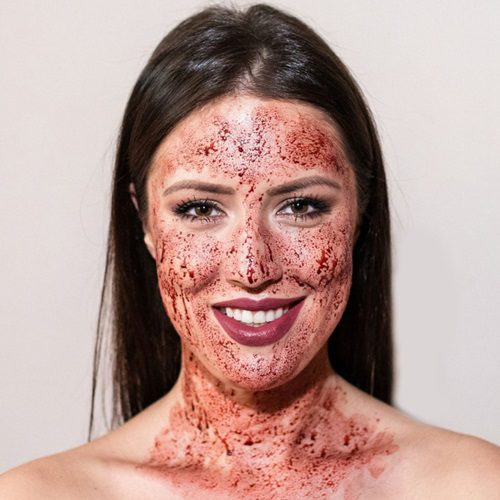

People with different skin tones and types may consider facial rejuvenation treatments to improve skin texture, fine lines, and overall appearance. Vampire Facelift in Dubai uses platelet-rich plasma (PRP) prepared from the patient's own blood to support natural skin repair processes. At Dynamic Life Clinic, individuals can discuss their skin concerns and receive an assessment to determine whether this treatment is appropriate. Although PRP is generally considered suitable for many skin types, it is not automatically safe for everyone because medical history, skin conditions, and treatment techniques also influence suitability.
Understanding Vampire Facelift Treatment for Different Skin Types
Vampire facelift treatment involves collecting a small blood sample and processing it in a centrifuge to separate the platelet-rich plasma. This portion contains platelets and growth factors involved in the body's natural healing processes. The prepared PRP may be injected into selected facial areas or applied alongside microneedling, depending on the treatment plan. Since the plasma comes from the patient's own blood, the risk of an allergic reaction to the PRP itself is generally low. However, the procedure still requires appropriate patient selection, sterile preparation, and professional administration.
Suitability for Different Skin Tones
PRP treatment may be considered for people with fair, medium, olive, or darker skin tones. Unlike some light-based treatments, PRP does not rely on targeting skin pigment, so natural skin colour alone does not usually determine eligibility. However, individual skin conditions and the technique used still matter. If microneedling is included, the provider should consider the patient's tendency to develop post-inflammatory pigmentation or prolonged irritation. A professional assessment helps determine the safest approach for each person's skin.
Considerations for Sensitive and Dry Skin
People with sensitive or dry skin may also ask whether vampire facelift treatment is appropriate for them. Sensitivity, irritation, and dryness should be assessed before treatment because the procedure can temporarily cause redness, tenderness, and swelling. If the skin has active inflammation, an infection, or an irritated barrier, treatment may need to be postponed. Patients should explain any history of allergic reactions, skin sensitivity, or previous complications so the provider can recommend suitable preparation and aftercare.
Treatment Considerations for Oily and Acne-Prone Skin
Individuals with oily or acne-prone skin may consider PRP to address selected textural concerns, including superficial acne scars. However, active acne breakouts, inflamed lesions, and skin infections require assessment before treatment. Applying microneedling or injections to unsuitable areas may increase irritation or infection risks. Once active skin problems are controlled, a qualified provider can determine whether PRP is an appropriate option for improving selected textural irregularities.
Medical Conditions That May Affect Treatment Safety
Skin type is only one part of the suitability assessment. A person's blood health, medical conditions, medications, and infection risk are also important when considering PRP treatment.
-
Low platelet count: Significant thrombocytopenia or platelet dysfunction may make PRP treatment unsuitable.
-
Blood clotting conditions: Certain bleeding or clotting disorders require medical evaluation before treatment.
-
Blood-thinning medication: Anticoagulants and other medicines that affect clotting should be discussed with the treating professional.
-
Active infections: Local or systemic infections may require treatment before PRP is considered.
-
Chronic medical conditions: Certain liver conditions, serious illnesses, or immune-related problems may affect suitability.
-
Skin infections or inflammation: Active infections in the treatment area should be addressed before injections or microneedling.
Patients should provide a complete medical history and disclose all medications. Prescribed medicines should never be stopped without advice from the healthcare professional responsible for their care.
Possible Side Effects Across Different Skin Types
Vampire facelift treatment can cause temporary side effects regardless of a person's natural skin tone or type. Common reactions include redness, swelling, bruising, tenderness, and mild discomfort around the treated areas. If microneedling is used, temporary irritation and small marks may also occur. Infection is a potential complication if blood handling or treatment equipment is not sterile. People who are prone to pigmentation changes should discuss this tendency before treatment, particularly if microneedling is part of the procedure.
Factors That Help Determine Treatment Suitability
A professional consultation helps establish whether vampire facelift treatment is appropriate and which technique may be suitable for an individual's skin and medical circumstances.
-
Skin condition: The provider examines dryness, sensitivity, acne, scarring, and active inflammation.
-
Skin tone: Natural pigmentation and a history of post-inflammatory pigmentation may influence treatment planning.
-
Medical history: Blood disorders, chronic illnesses, allergies, and previous procedures should be reviewed.
-
Medication use: Medicines that affect bleeding, clotting, or healing may influence treatment decisions.
-
Treatment technique: PRP injections and microneedling-assisted application have different considerations.
-
Personal expectations: Patients should understand that improvements may be modest and are not guaranteed.
Recovery and Aftercare for Different Skin Types
Recovery varies according to the technique used and the individual's skin response. Temporary redness, swelling, bruising, and tenderness may occur after treatment and usually improve as the skin heals. Patients should follow the provider's instructions regarding gentle cleansing, moisturising, sun protection, and avoiding irritating skincare products during the initial recovery period. Those with sensitive or pigmentation-prone skin may need specific aftercare guidance. Any unusual pain, increasing redness, discharge, or worsening swelling should be reported to the treating professional.
Checkpoint: Important Considerations Before Vampire Facelift Treatment
Although PRP is prepared from the patient's own blood, the treatment is not risk-free and requires appropriate medical supervision. Patients should consider the following points before proceeding.
-
Individual suitability: Not every person is suitable for PRP, regardless of skin type or tone.
-
Medical screening: Blood disorders, active infections, and relevant medications must be reviewed.
-
Sterile preparation: Proper blood collection, labelling, processing, and administration are essential.
-
Possible reactions: Redness, swelling, bruising, tenderness, and infection may occur.
-
Realistic expectations: PRP may support modest improvements in skin quality but cannot guarantee specific results.
-
Professional assessment: A qualified healthcare provider should recommend the treatment technique and determine whether alternatives are more appropriate.
Dynamic Life Clinic: Personalised Skin Assessment
Dynamic Life Clinic provides consultations for individuals interested in facial rejuvenation and improving skin quality. The medical team can assess skin tone, texture, sensitivity, existing skin concerns, and relevant medical history before discussing treatment options. Patients can learn how vampire facelift treatment works, what precautions may be necessary, and whether PRP is appropriate for their circumstances. Individual assessment helps ensure that recommendations consider both skin-related needs and overall treatment safety.
Frequently Asked Questions
People with different skin types often want to know whether vampire facelift treatment is suitable for their complexion, sensitivity, or existing skin concerns. The following answers address common questions about PRP treatment safety.
1. Is vampire facelift treatment safe for darker skin tones?
PRP may be suitable for darker skin tones because the treatment does not depend on targeting skin pigment. However, the provider should consider the patient's skin condition and tendency to develop pigmentation changes, particularly if microneedling is included.
2. Can people with sensitive skin undergo vampire facelift treatment?
Some people with sensitive skin may be suitable, but their skin condition should be assessed first. Active irritation, inflammation, or infection may require treatment to be postponed until the skin has recovered.
3. Is vampire facelift treatment suitable for oily skin?
People with oily skin may be considered for PRP treatment, depending on their skin concerns. Active acne breakouts or infections should be evaluated before treatment, especially when microneedling is planned.
4. Can vampire facelift treatment cause pigmentation changes?
Temporary irritation may occur, and some individuals can develop pigmentation changes after skin inflammation or injury. People with a history of post-inflammatory pigmentation should discuss this risk before treatment.
5. Can everyone receive vampire facelift treatment because it uses their own blood?
No. Although using the patient's own plasma reduces the risk of an allergic reaction to donor material, certain blood disorders, infections, medical conditions, and medications may make treatment unsuitable. A medical assessment is necessary before proceeding.
Conclusion
Vampire facelift treatment may be suitable for people with different skin types and tones, but it cannot be considered safe for everyone. Skin sensitivity, active acne, medical conditions, blood disorders, and medications can influence treatment suitability and potential risks. Proper patient assessment, sterile PRP preparation, and appropriate aftercare are essential for safer treatment. Individuals should consult a qualified healthcare professional to determine whether PRP is appropriate for their skin and medical needs.

