

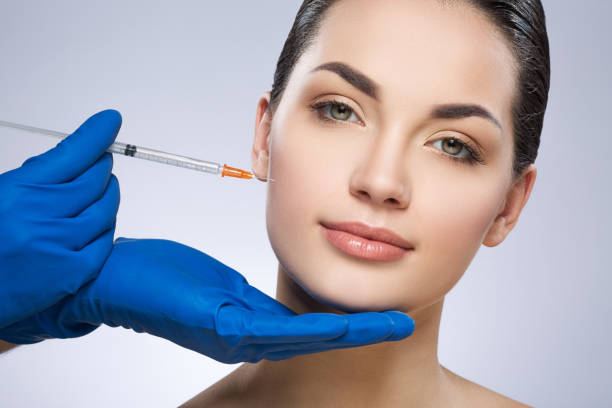
Fine lines, wrinkles, and changes in skin texture are common signs of aging that can gradually affect the appearance of the face. As the skin matures, natural processes such as reduced collagen production, slower cell turnover, and changes in elasticity may contribute to these visible concerns. stem cell therapy is an area of growing interest in regenerative aesthetics because researchers are exploring how stem cells and cell-derived substances may influence skin repair and cellular communication. Understanding the potential benefits, limitations, and treatment considerations can help individuals make informed decisions about their skincare goals.
Why Do Fine Lines and Signs of Aging Develop?
Skin aging is influenced by both natural biological changes and external environmental factors. Over time, the skin's structure gradually changes, which can make fine lines and wrinkles more noticeable.
Natural Reduction in Collagen and Elastin
Collagen provides structural support, while elastin helps the skin maintain flexibility. Their production and organization change with age, potentially contributing to reduced firmness and the development of wrinkles. These changes may become more visible around the eyes, forehead, mouth, and cheeks.
Sun Exposure and Environmental Stress
Repeated exposure to ultraviolet radiation can accelerate visible skin aging. Pollution, smoking, inadequate skincare, and other environmental influences may also contribute to uneven texture, dryness, and fine lines. A consistent sun-protection routine is an important part of maintaining healthier-looking skin.
Changes in Skin Hydration and Renewal
As the skin ages, its ability to retain moisture and renew its surface may change. Dehydration can make fine lines appear more prominent, while slower skin renewal may contribute to dullness and uneven texture.
How Stem Cell Therapy Relates to Skin Aging
Stem cells are specialized cells with the ability to renew themselves and develop into certain cell types under suitable conditions. In regenerative medicine, researchers are studying their potential role in tissue repair, cellular signaling, and responses to inflammation.
In aesthetic treatments, the term stem cell therapy can describe different approaches. Some procedures may involve living cells, while others use cell-derived materials or signaling substances. These approaches are not interchangeable, and their composition, safety, and clinical evidence can vary significantly.
Stem Cell Therapy in Riyadh may attract attention from people interested in regenerative approaches to aging skin. However, the scientific promise of stem cell research should not be confused with established cosmetic results. Evidence for many aesthetic applications remains limited, and outcomes depend on the exact product, method, and individual circumstances.
Potential Areas of Interest for Fine Lines and Wrinkles
Research into regenerative treatments has explored several biological processes that may be relevant to aging skin. These areas of investigation help explain why stem cell-based approaches are receiving attention.
Cellular Communication and Skin Repair
Certain cell-derived substances contain signaling molecules that may influence how surrounding cells respond to their environment. Researchers are investigating whether these signals can support processes involved in tissue maintenance and repair. However, this does not establish that a cosmetic treatment will reliably remove wrinkles or restore youthful skin.
Skin Texture and Appearance
Changes in skin texture can make fine lines more noticeable. Regenerative research examines how cellular signaling may affect tissue responses and skin health. Whether a particular treatment produces visible improvements depends on the formulation and available clinical evidence.
Collagen-Related Processes
Collagen is essential for maintaining skin structure and firmness. Some laboratory and early clinical research investigates whether regenerative approaches may influence pathways associated with collagen production. Nevertheless, it is important not to assume that every stem cell-related product increases collagen or produces measurable tightening.
What Happens During a Consultation?
Before considering any regenerative procedure, individuals should have a detailed consultation with a qualified medical professional. The consultation helps determine whether the proposed approach is appropriate for their concerns and whether its potential benefits are supported by sufficient evidence.
Skin Assessment and Treatment Goals
The practitioner may assess skin texture, fine lines, wrinkles, hydration, and areas of concern. They may also discuss whether the changes are related to natural aging, sun exposure, volume loss, or other skin conditions.
Medical History Review
Medical history, allergies, medications, supplements, previous cosmetic procedures, and existing skin conditions should be discussed. Pregnancy, breastfeeding, active infections, or inflammation may also affect treatment decisions.
Understanding the Proposed Product
Patients should ask whether the treatment uses living cells or cell-derived substances, where the material comes from, how it is processed, and whether it has appropriate regulatory authorization. Clear information about the procedure and its supporting evidence is essential before proceeding.
Possible Side Effects and Safety Considerations
The safety profile of regenerative aesthetic procedures depends on the exact material and application method. Some procedures may cause temporary redness, swelling, tenderness, or bruising. Other possible concerns include infection, inflammation, allergic reactions, and unexpected tissue responses.
The source, processing, storage, and handling of the product can influence safety. Patients should avoid treatments that promise guaranteed wrinkle removal, permanent rejuvenation, or complete reversal of aging. A qualified practitioner should explain realistic expectations, potential complications, and available alternatives.
How Does Stem Cell Therapy Compare With Other Anti-Aging Treatments?
Different cosmetic treatments address different aspects of visible aging. The most suitable option depends on the individual's skin condition and desired outcome.
-
Botulinum toxin treatments: May temporarily soften certain dynamic wrinkles caused by repeated facial muscle movements.
-
Dermal fillers: Can address selected areas of volume loss and improve facial contours.
-
Laser treatments: Certain laser procedures may improve skin texture, pigmentation, and selected signs of sun damage.
-
Microneedling: Creates controlled micro-injuries to stimulate the skin's natural healing response.
-
Topical skincare: Sunscreen, retinoids, and moisturizers may help manage specific signs of aging when used appropriately.
These treatments have different indications, benefits, and risks. A medical assessment can help identify which options are supported by evidence for a particular concern.
Who May Consider Regenerative Skin Treatments?
Individuals experiencing fine lines, uneven texture, or other visible signs of aging may be interested in learning about regenerative approaches. However, suitability cannot be determined by age or appearance alone.
A practitioner should evaluate the person's skin condition, medical history, treatment expectations, and the evidence supporting the specific procedure. People seeking predictable improvements may benefit from discussing established treatments before considering newer or less-supported interventions.
Frequently Asked Questions
Can stem cell therapy completely remove fine lines?
There is currently insufficient evidence to suggest that stem cell-based aesthetic treatments can completely remove fine lines. Results vary according to the treatment and individual factors.
Does stem cell therapy provide permanent anti-aging results?
No permanent result should be assumed. Skin aging continues naturally, and the long-term effects of many regenerative cosmetic approaches are not yet well established.
Is stem cell therapy suitable for every skin type?
Not necessarily. Suitability depends on the person's skin condition, health history, and the specific product or procedure being considered.
Are all stem cell treatments the same?
No. Treatments may involve living cells or different cell-derived substances. Their composition, preparation, regulatory status, and supporting research can vary.
Explore Skin Rejuvenation Options at Royal Clinic Saudia
Understanding the causes of fine lines and visible aging is an important step toward choosing an appropriate skincare approach. Individuals interested in Stem Cell Therapy in Riyadh should seek professional guidance to understand the available evidence, possible risks, and realistic treatment expectations. At Royal Clinic Saudia, patients can discuss their skin concerns, receive an individualized assessment, and explore suitable aesthetic options based on their needs and medical considerations.

